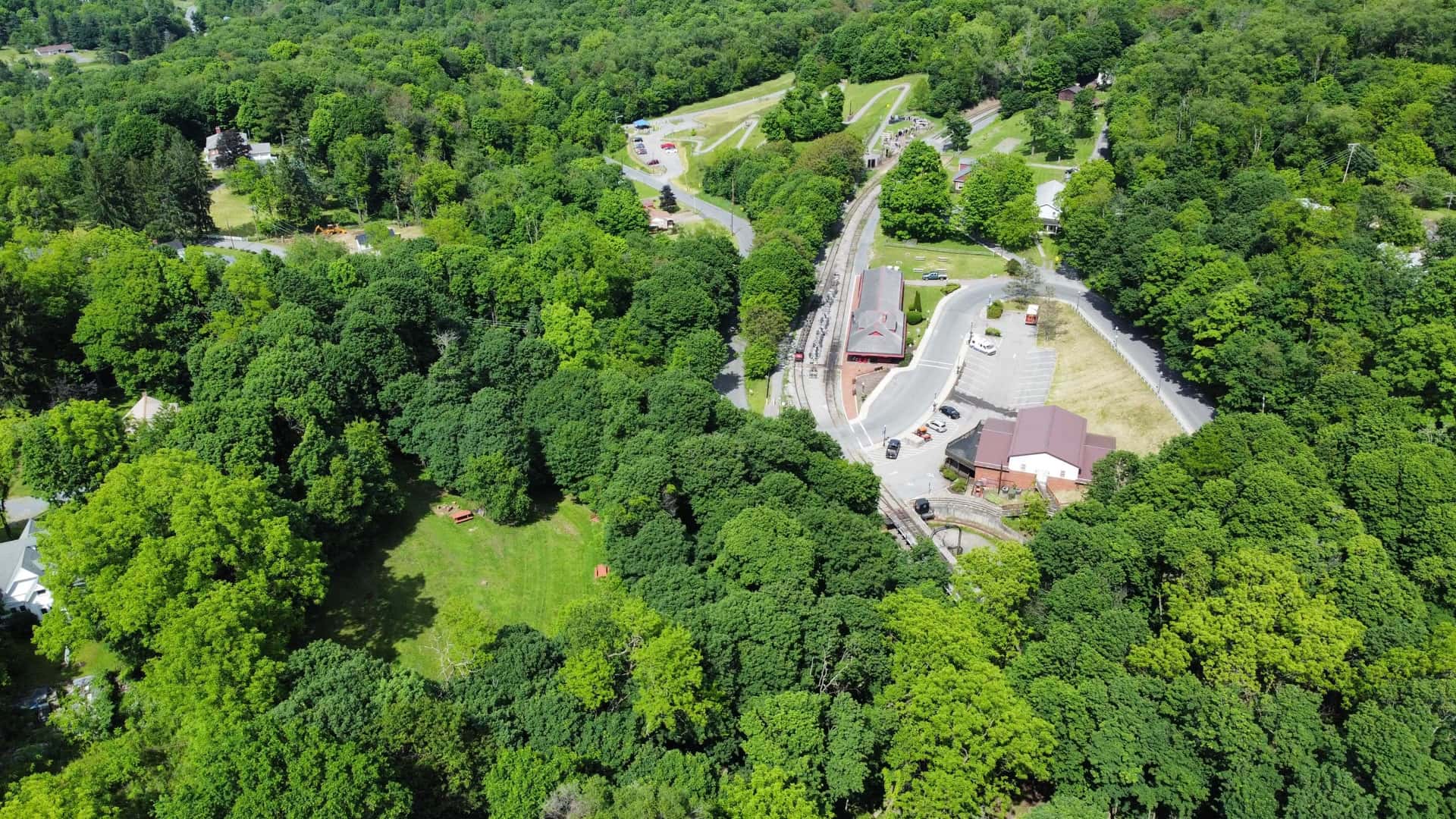
Get trail ready
How Fit Do You Need to Be to Ride the GAP Trail?
Less fit than you fear, more prepared than you think. The GAP asks almost nothing of your lungs and quite a lot of your saddle time — and four to six weeks of ordinary riding closes the gap for most people.
GAP Trail · 6 min read ·
The Honest Fitness Answer
Here is the truth the trail's reputation obscures: the GAP contains no hard climbs. Built on railroad grades that locomotives had to manage, the trail's steepest moments would barely register on a road cyclist's route map. What the trail demands instead is endurance of a specific, learnable kind — the ability to sit on a bike for several hours, then wake up and do it again, for three to five consecutive days. That is a habit, not a talent.
If you can currently ride 15 to 20 miles without misery, you are four to six weeks of preparation away from a comfortable multi-day GAP trip. If you cannot yet, start shorter and give yourself a longer runway — the trail is not going anywhere.
What Actually Wears Riders Down
GAP riders rarely quit because of their legs. They struggle because of contact points — hands, feet, and especially the saddle interface — and because crushed limestone rolls slower than pavement, quietly adding effort to every one of a day's 40-odd miles. Add loaded bags and the cumulative fatigue of back-to-back days, and you have the trail's real difficulty profile: low intensity, high duration, repeated.
Train for that profile specifically. Long easy rides beat short hard ones. Riding two days in a row beats one heroic weekend century. Time in the actual saddle you will tour on beats every gym session ever invented.
The 4-6 Week Preparation Plan
This progression assumes you can already manage 15 miles and are targeting 35-to-45-mile touring days. Adjust the numbers proportionally for a faster or slower itinerary — and if you have six weeks rather than four, stretch each phase.
- Weeks 1-2 — Build the base: three rides per week, two short and one longer, extending the long ride to 25 miles. Ride relaxed; speed is irrelevant on a rail-trail.
- Weeks 3-4 — Teach your body back-to-backs: keep one midweek ride, then ride both weekend days, working the Saturday ride toward 35-40 miles with the Sunday ride around half that.
- Week 5 — Dress rehearsal: your biggest weekend, two consecutive rides near your planned daily distance, carrying the actual loaded bags on the actual bike, ideally on an unpaved surface.
- Week 6 — Taper: cut volume roughly in half, keep the legs moving, sort your gear, sleep. Arrive fresh, not fried.
Fit Beats Fitness
A properly adjusted bike forgives an underprepared body far better than the reverse. Before week three, get your saddle height and position dialed — persistent knee or hand pain during training is a fit problem, not a toughness test — and commit to the shorts, saddle, and shoes you will actually tour with. Nothing new on trip day is the oldest rule in endurance sport because it keeps being right.
Test your loaded setup at least twice. Bags change how a bike handles and how a body tires, and the parking lot is a better place to learn that than somewhere in the Alleghenies. Our tunnelhotel.com/blog/gap-trail-packing-list covers keeping that load small in the first place.
Escape Hatches for the Under-Trained
Life happens, and sometimes trip day arrives before fitness does. The GAP is unusually forgiving about it. You can shorten daily distances and add a night, since trail towns come frequently. You can ride an e-bike and let a motor donate the missing watts — our tunnelhotel.com/blog/gap-trail-ebike-guide covers that route. Or heading west out of Cumberland, you can put yourself and your bike on the Tracks & Yaks Bike Train to Frostburg for $45–49 and delete the largest single climb from your first day.
The Perfect Dress Rehearsal Weekend
The smartest final tune-up is a weekend on the trail itself. Come to Frostburg, rent a geared bike next door if you do not want to haul yours ($25 buys two hours, $40 the day), and test your legs on the genuine article: the climb toward the Eastern Continental Divide going out, the descent home. You will learn your real limestone pace, audit your gear, and preview the mountain miles that anchor every itinerary. Our rooms start at $79.79 a night — Maryland's lodging tax already counted — with the trail 300 yards from the door of the 1888 inn. Book the rehearsal at tunnelhotel.com/book; the exam gets easier once you have seen the questions.
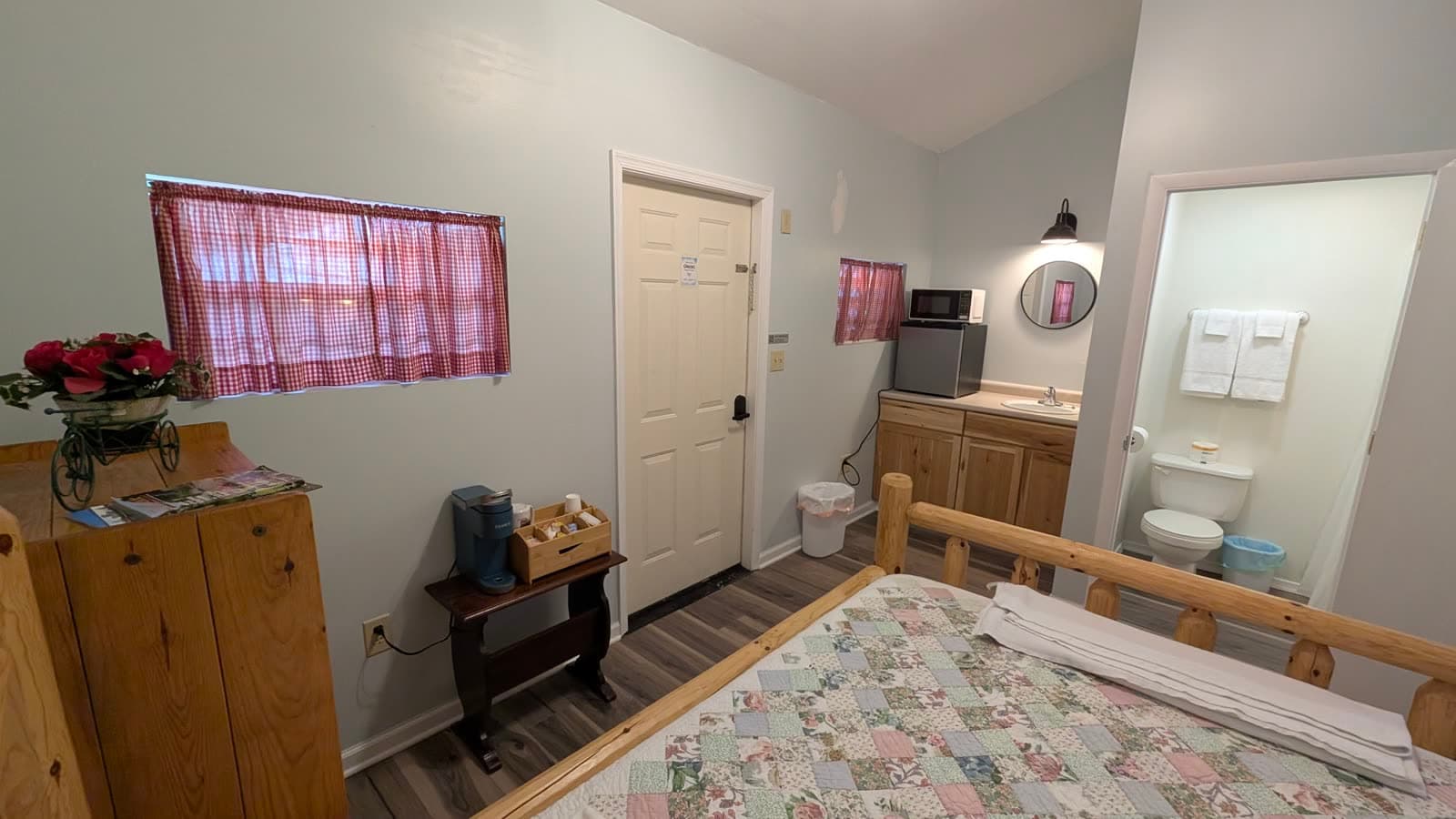
Beds 300 yards off the trail
All rooms & camping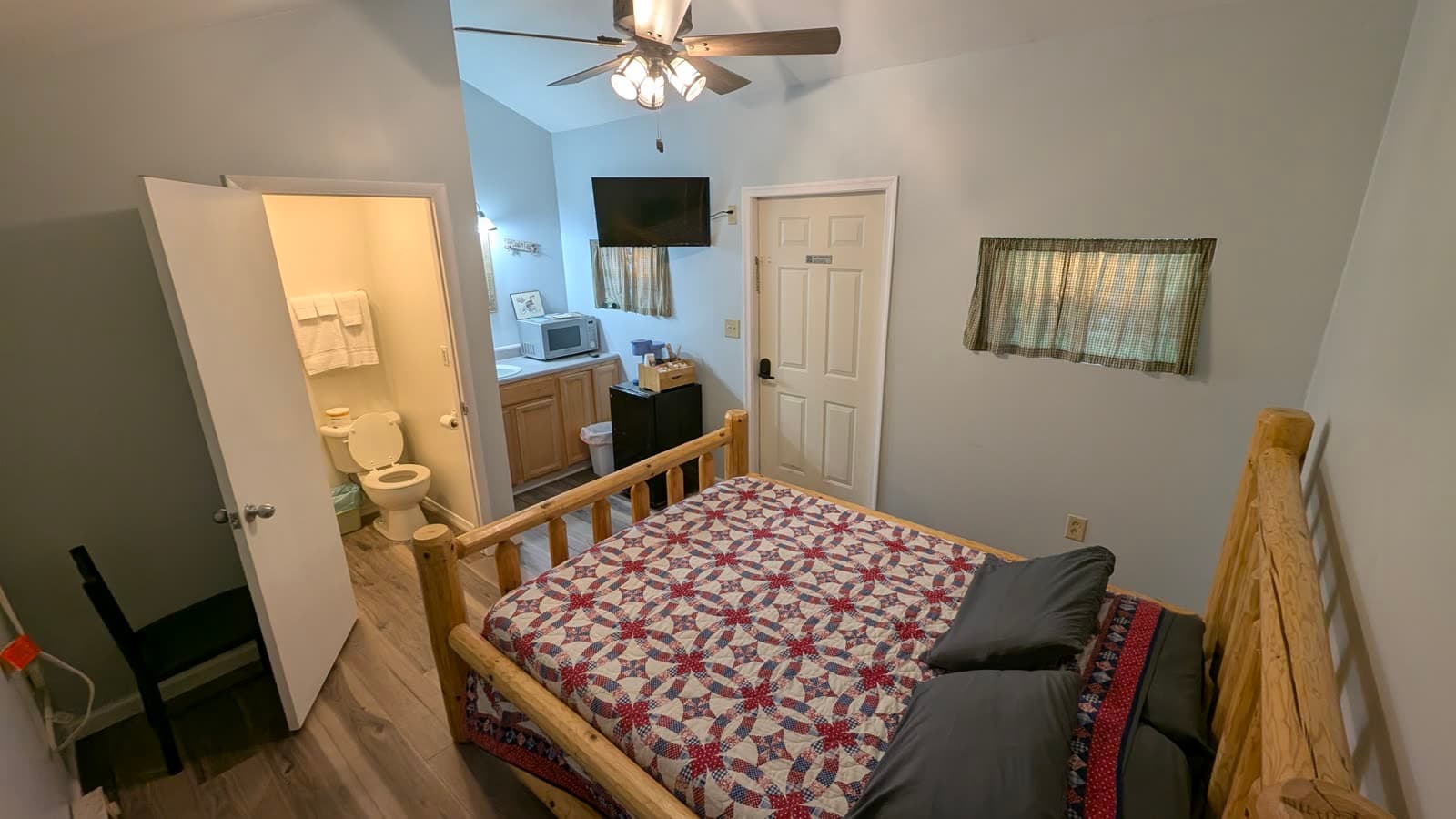
Tracks & Yaks, right next door
All experiences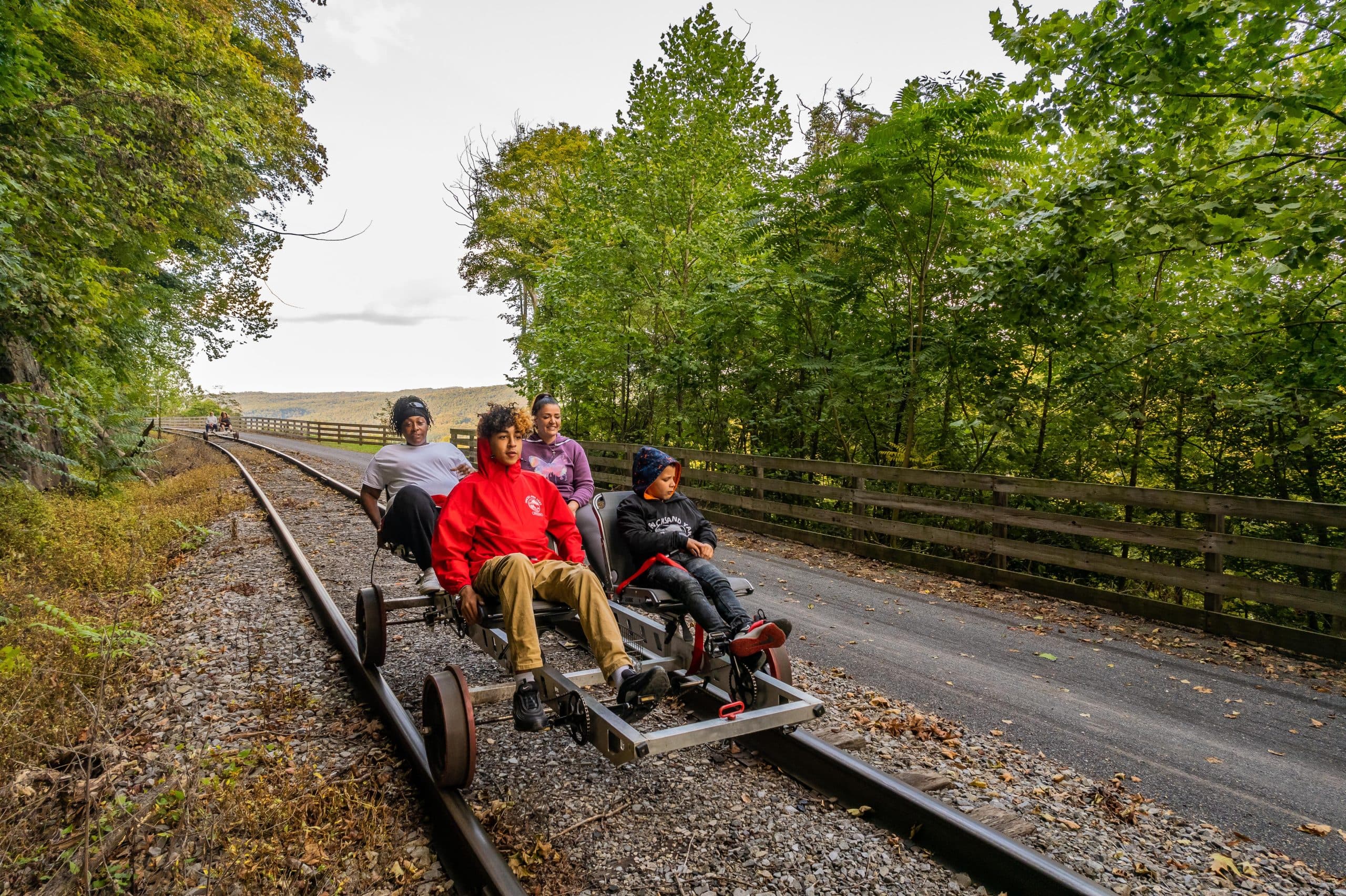
Geared Bicycle Rental — 2 Hour
A geared bicycle for two hours on the Great Allegheny Passage — go at your own pace.
from $25
Details →
Bike Train (Cumberland → Frostburg)
Load your bike on the train up to Frostburg, then ride the GAP back down. Bring your own bike or add a GAP rental.
from $45
Details →Questions, answered straight
How fit do I need to be to ride the GAP Trail?
Moderately — not athletically. The GAP follows railroad grades and never gets steep, so the challenge is endurance: riding 35-50 miles a day on crushed limestone for consecutive days. If you can currently ride 15-20 miles comfortably, about four to six weeks of progressive training prepares most people for a multi-day trip.
How long should I train for a GAP Trail trip?
Four to six weeks for most recreational riders. Build with three rides a week, extend one weekly long ride toward 35-40 miles, add back-to-back weekend rides in weeks three and four, do a fully loaded two-day rehearsal, then taper the final week. Consistency matters far more than intensity on a rail-trail.
Can an unfit person ride the GAP Trail?
With adjustments, often yes. Shorten daily distances and add nights — trail towns appear regularly across the 150 miles — or ride an e-bike to offset missing fitness. Heading west from Cumberland, the Tracks & Yaks Bike Train ($45–49) carries riders and bikes up to Frostburg, removing the route's biggest sustained climb.
What is a good practice ride before doing the whole GAP?
A weekend in Frostburg, Maryland riding the summit section. Rent a geared bike from Tracks & Yaks ($25 for two hours, $40 all day), climb toward the Eastern Continental Divide, and coast back — real limestone, real grade, real conditions. The Tunnel Hotel sits 300 yards from the trailhead with rooms from $79.79 tax included.