Start here
The GAP Trail for First-Timers
The 150-mile rail-trail from Pittsburgh to Cumberland is one of the most forgiving long rides in America — if you understand three things before you clip in.
GAP Trail · 6 min read ·
What the GAP Actually Is
The Great Allegheny Passage is a 150-mile crushed-limestone rail-trail running from Point State Park in Pittsburgh to Cumberland, Maryland, where it meets the 184.5-mile C&O Canal Towpath to Washington, DC. Because the whole thing follows old railroad grades, nothing is ever steep — trains couldn't climb steep grades, so you won't have to either.
That's the first thing nobody tells you: the GAP's difficulty is about persistence, not power. The grade rarely exceeds a gentle railroad climb, which means almost any reasonably active person on almost any working bicycle can ride it. People tour the GAP on hybrids, mountain bikes, gravel bikes, and e-bikes. What matters is saddle time, not gearing heroics.
The Three Things to Understand Before You Go
Get these right and the rest of the planning falls into place. Get them wrong and you'll learn them the hard way somewhere on the side of a mountain.
- The climb has a summit, and it's near Frostburg. Riding from Cumberland toward Pittsburgh, you climb roughly 16 trail miles up the mountain before the Eastern Continental Divide, after which the grade tips your way. Ride the other direction and those same miles become a long, glorious descent into Cumberland.
- Towns are your infrastructure. There are no services on the trail itself — you eat, sleep, and resupply in the trail towns. Planning a GAP ride is really planning which towns you'll stop in and where you'll sleep.
- The surface is crushed limestone, not pavement. It rides beautifully on 32mm-plus tires but it is slower than asphalt. Budget your daily mileage at about three-quarters of what you'd do on the road.
How Many Days Do You Need?
Most first-timers ride the GAP in three to five days, which puts your daily distances between 30 and 50 miles — comfortable on limestone with loaded bags. Racers do it in a day and families take a week; there's no wrong answer, because towns with beds appear regularly enough to support almost any pace.
If you're building an itinerary, work backward from your beds. Decide where you'll sleep each night, then check that the mileage between beds fits your legs. Our tunnelhotel.com/pittsburgh-to-dc-bike-trip guide breaks down a full Pittsburgh-to-DC plan, and the tunnelhotel.com/gap-trail-lodging page covers where the Frostburg stop fits in almost every itinerary.
Why Frostburg Is the Stop That Matters
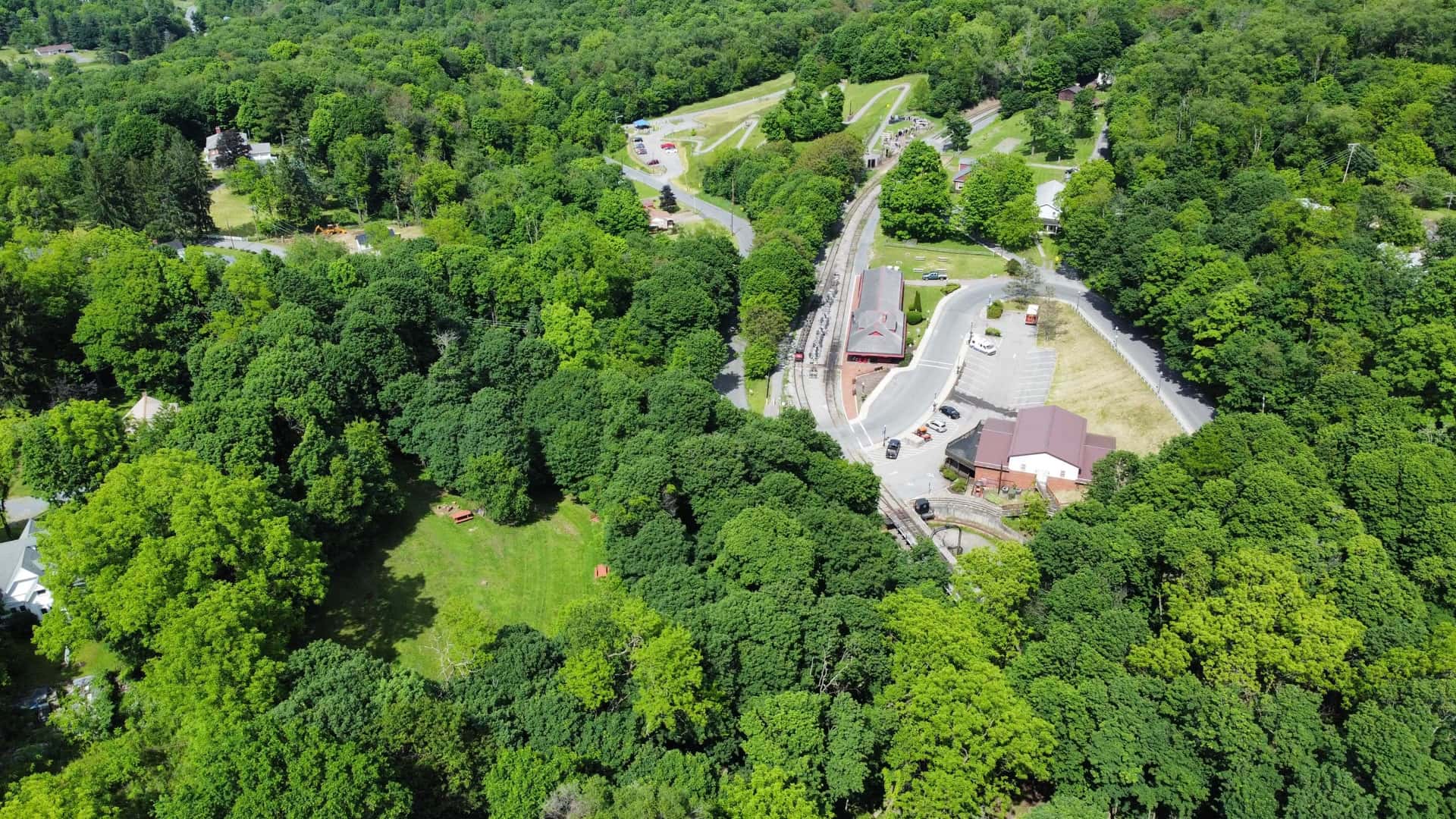
Frostburg sits about 16 trail miles up the mountain from Cumberland — which makes it the natural last stop before the summit push (or the first night out of Cumberland heading west). It's also the only GAP town where your evening entertainment options include a steam railroad and pedal-powered railbikes on real track.
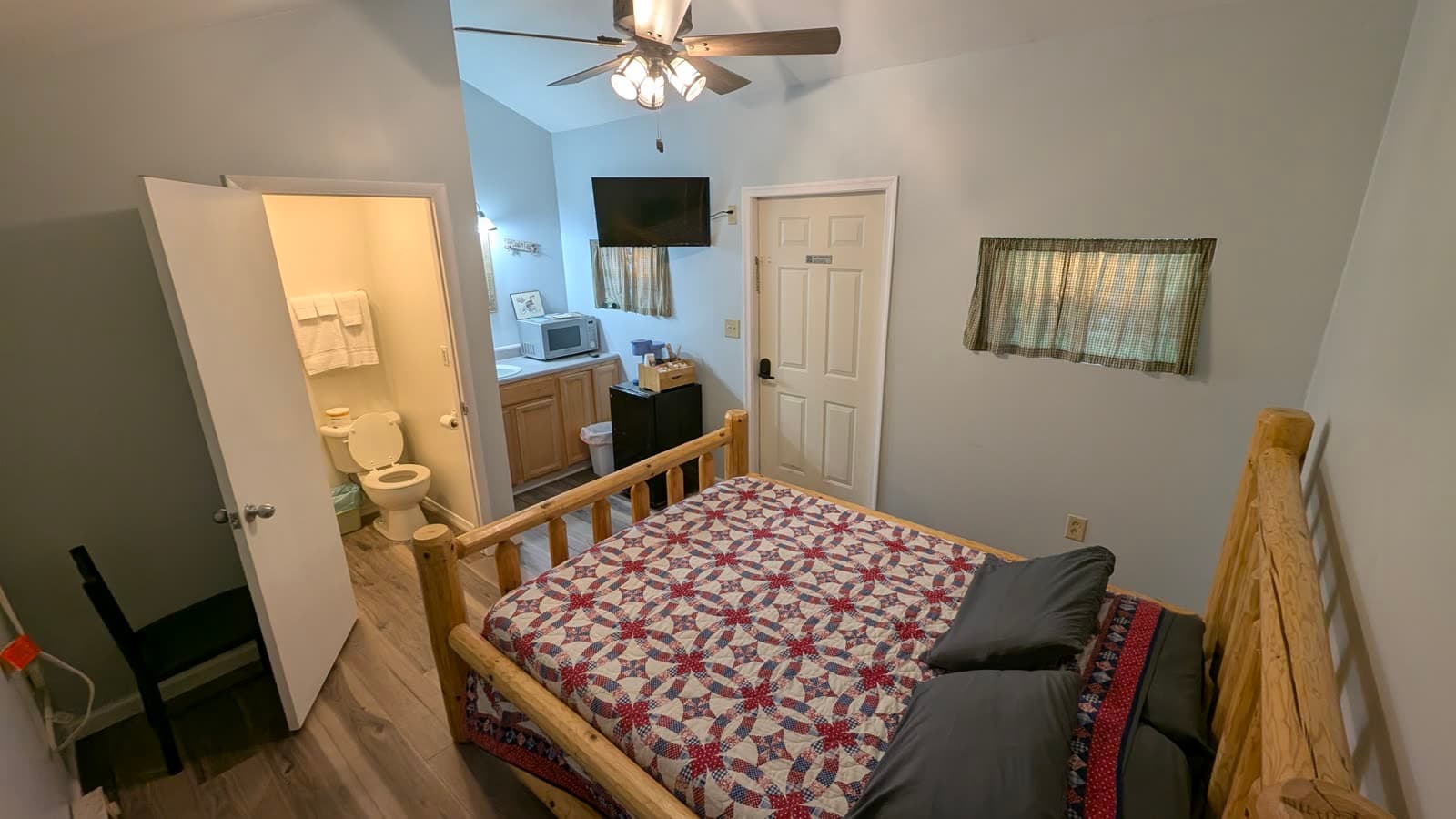
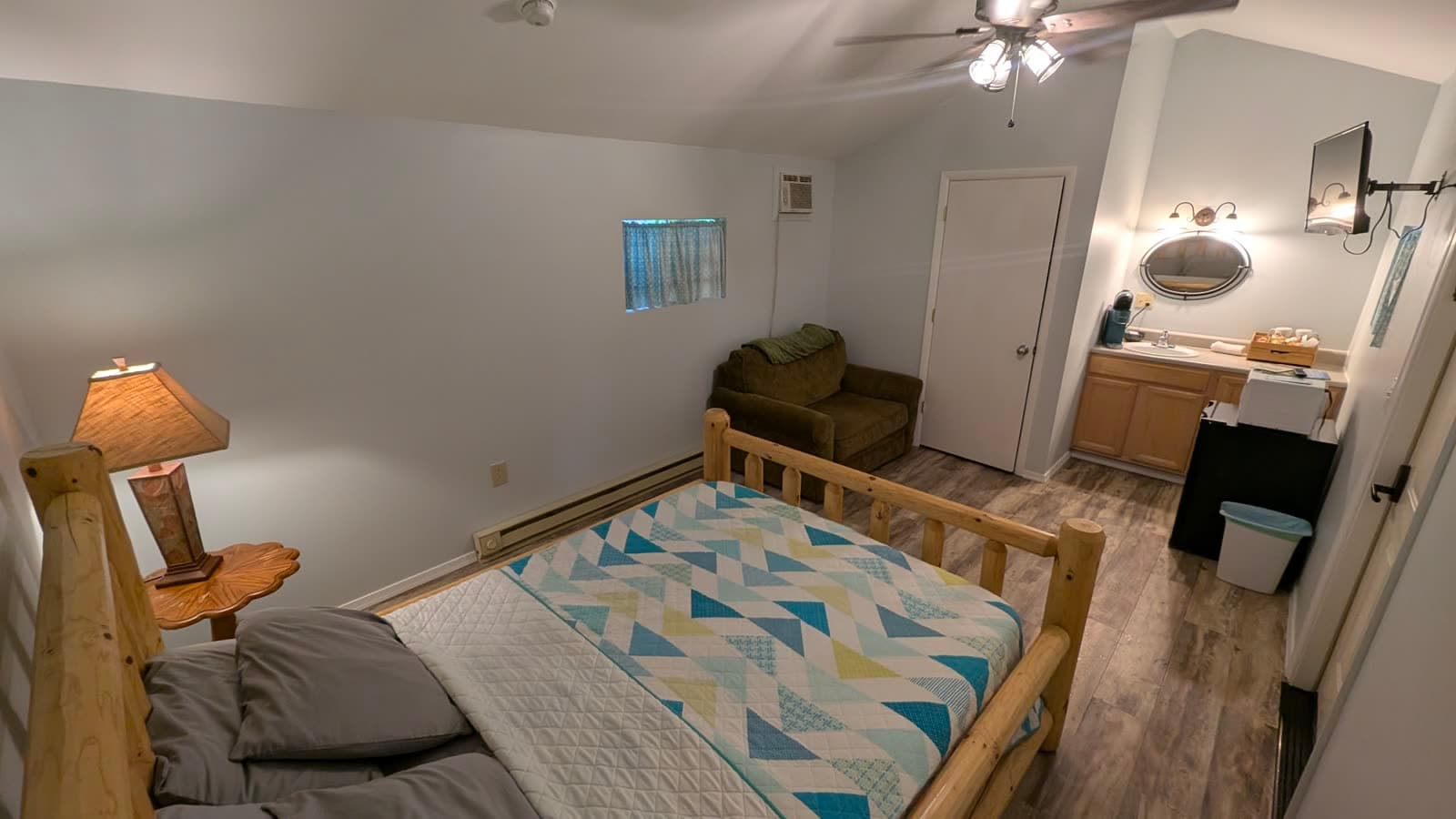
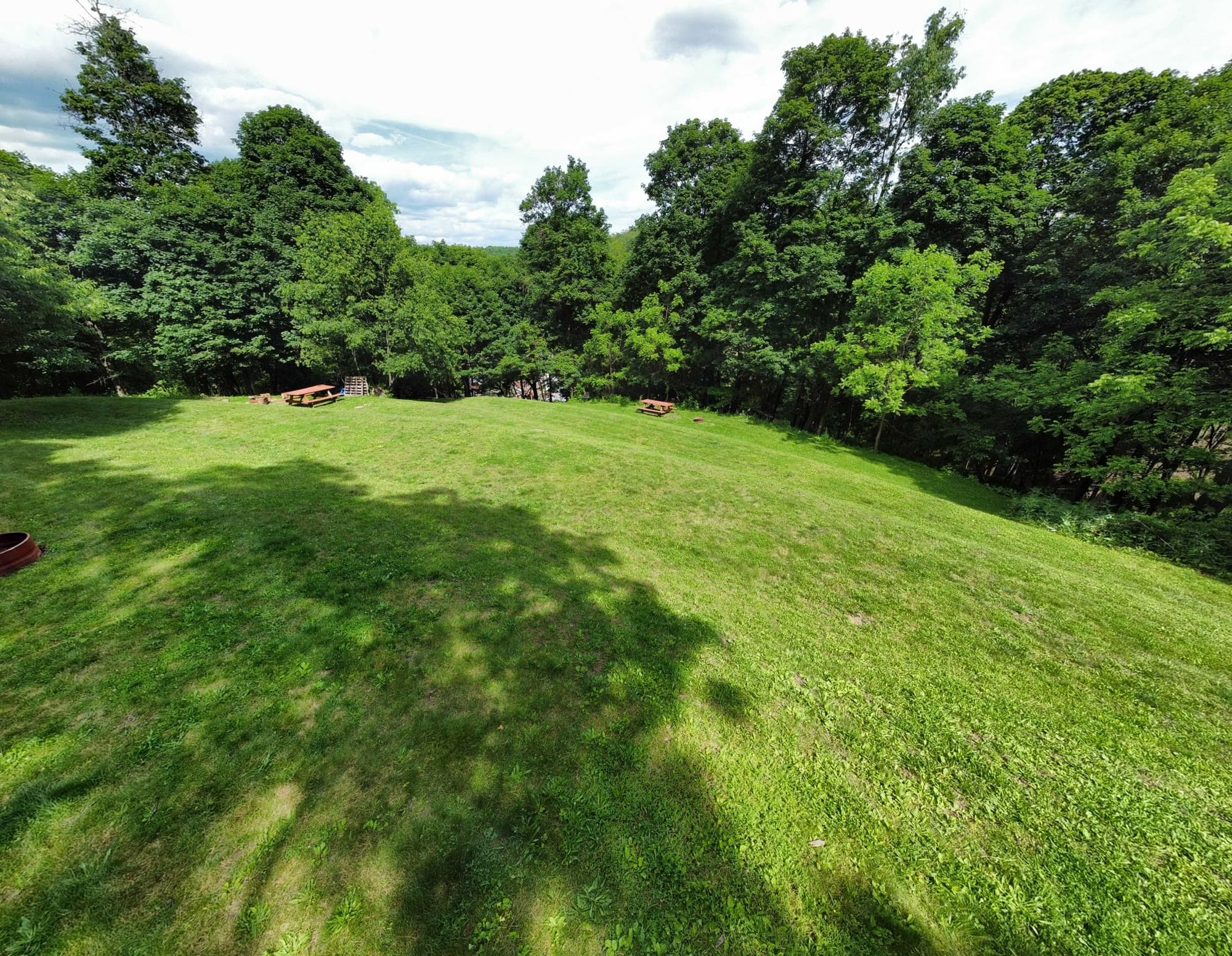
The Tunnel Hotel is an 1888 railroad inn 300 yards off the trail at 20 Depot St, with queen rooms from $79.79 a night tax included, bunk rooms for groups, and primitive camping. The Trail Inn Cafe downstairs handles coffee, a hot breakfast, and trail sandwiches — and everything charges to your room. Check-in is contactless 24 hours a day, so a late arrival off the trail is genuinely fine: your door code arrives by text.
What to Ride and What to Bring
Any sound bike with tires 32mm or wider will do the job. Rent locally if flying in — geared bikes rent from Tracks & Yaks next door to the hotel at $25 for two hours or $40 for a full day, which also solves the one-day-sampler problem: base in Frostburg, rent, and ride the best stretch of the trail without hauling a bike across the country.
Pack less than you think. The GAP's town-every-few-hours rhythm means you never need more than a day of food, and a credit card fixes most mistakes. The full list lives in our tunnelhotel.com/blog/gap-trail-packing-list guide.
The First-Timer's Cheat Code: Do a Day, Not the Distance
Here's the honest secret: you don't have to thru-ride the GAP to get the good part. The stretch around Frostburg — the mountain, the tunnels, the Cumberland descent — is the scenery people ride 150 miles to see. Base yourself at the hotel for two nights, ride the summit stretch one day, and spend the other on a railbike or the steam train.
Book a bed at tunnelhotel.com/book, and if the trip grows from a day ride into the full Pittsburgh-to-DC epic — it tends to — you'll already know exactly where you're sleeping on the mountain.
Tracks & Yaks, right next door
All experiences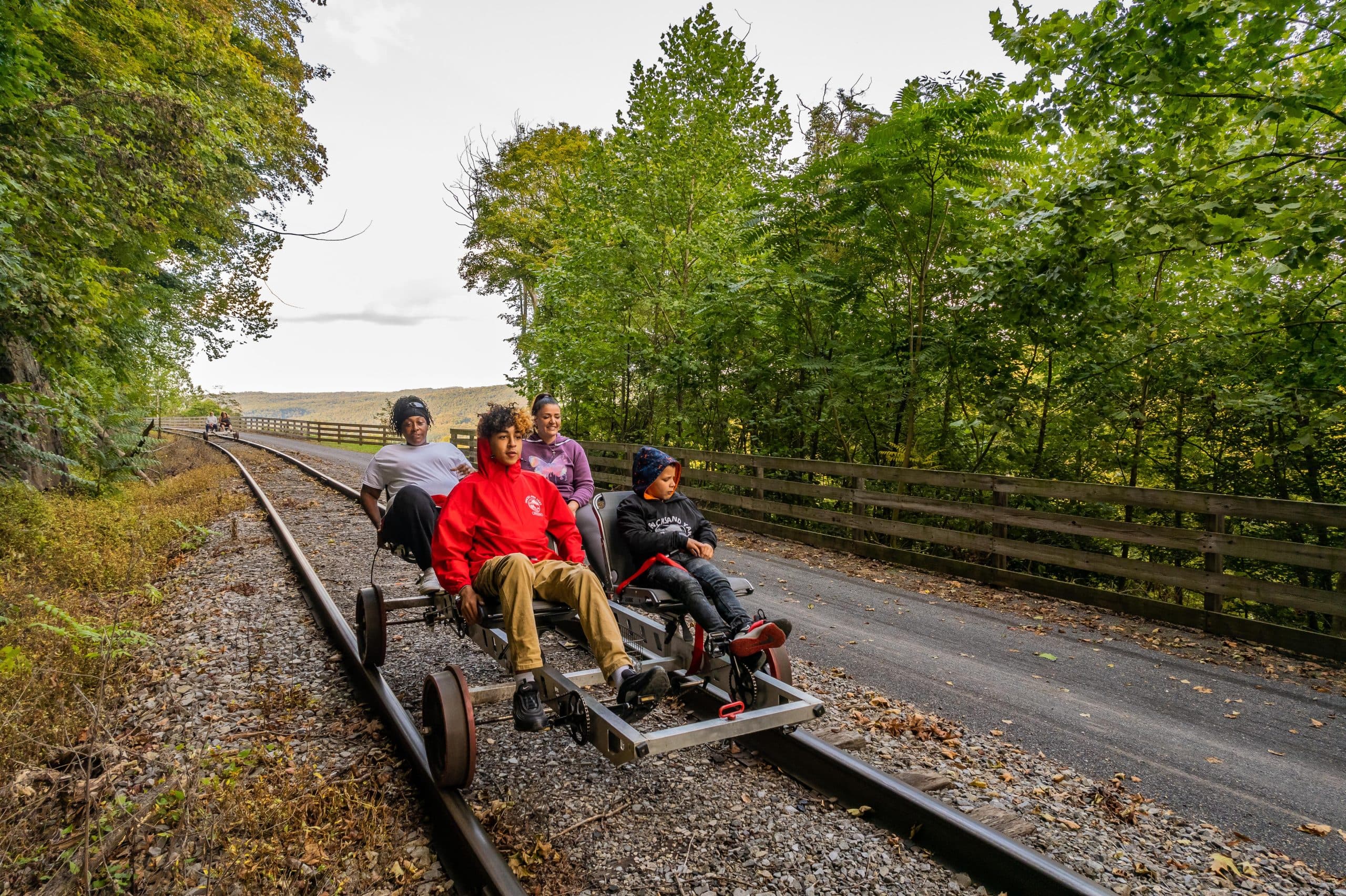
Geared Bicycle Rental — 2 Hour
A geared bicycle for two hours on the Great Allegheny Passage — go at your own pace.
from $25
Details →Woodcock Hollow Express
A 7-mile guided railbike run along the ridge line — the quick, scenic introduction to pedaling the rails.
from $89
Details →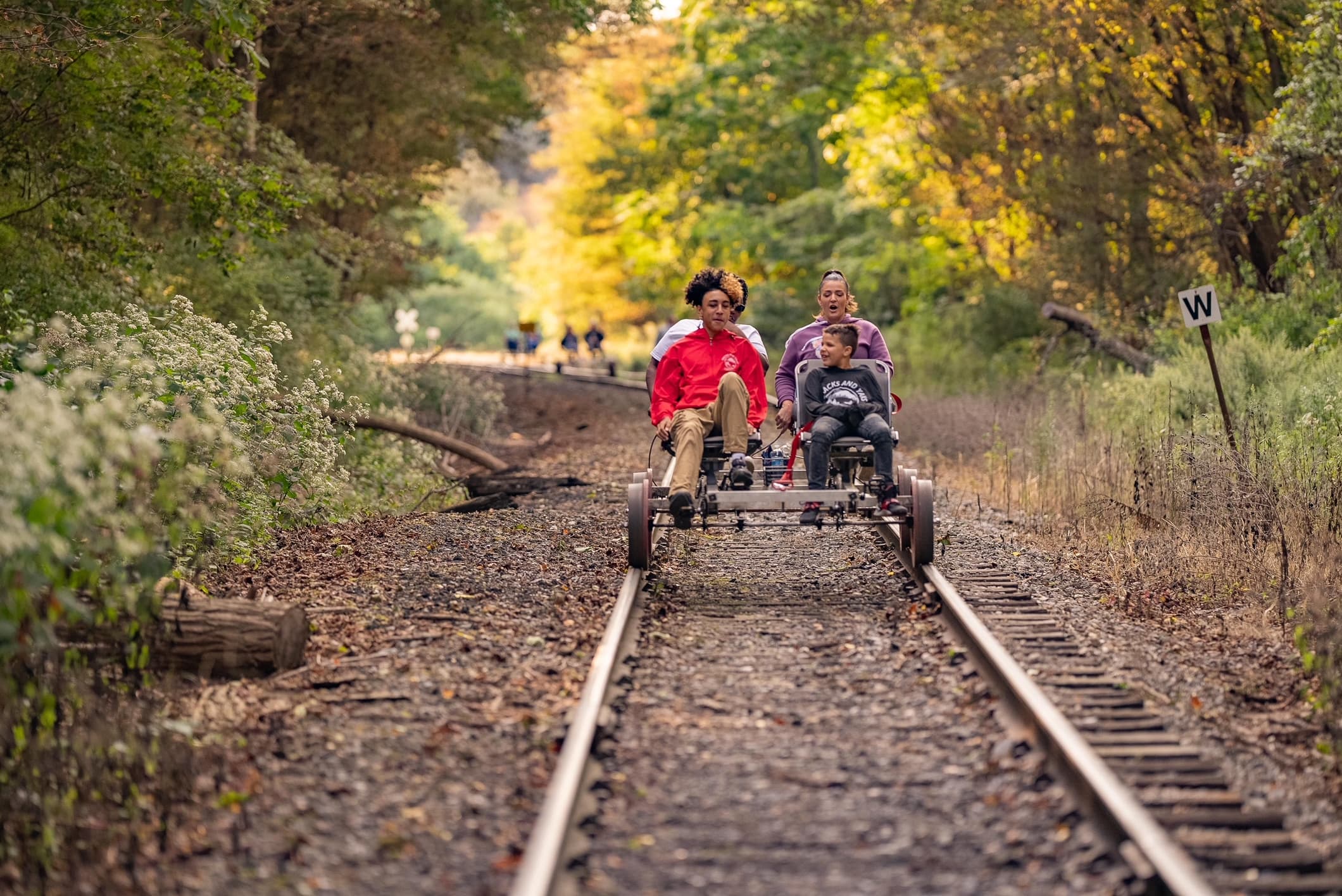
Queen City Combo — AM (Frostburg)
Railbike down the mountain in the morning, then ride the Western Maryland Scenic Railroad's Frostburg Flyer back up. Rails both ways.
from $169
Details →Questions, answered straight
How hard is the GAP trail for a beginner?
Easier than its length suggests. The Great Allegheny Passage follows old railroad grades, so it never gets steep — the challenge is riding 30–50 miles a day on crushed limestone, not climbing. Most reasonably active first-timers finish the 150 miles from Pittsburgh to Cumberland in 3–5 days.
Which direction should a first-timer ride the GAP?
Most first-timers start in Pittsburgh and ride toward Cumberland, because the last 16 trail miles from the Eastern Continental Divide near Frostburg down to Cumberland become a long descent. Ride the other way and you start your trip with the mountain.
Where should I stay on the GAP trail near the summit?
Frostburg, Maryland — about 16 trail miles up the grade from Cumberland. The Tunnel Hotel, an 1888 railroad inn at 20 Depot St, is 300 yards off the trail with rooms from $79.79 a night tax included, camping at $17.10 per person, and 24-hour contactless check-in with a door code by SMS.
Can I ride the GAP trail without doing the whole thing?
Absolutely. Day riders base in a trail town and ride out-and-back. From Frostburg you can ride the summit stretch over the Eastern Continental Divide or the descent into Cumberland, and Tracks & Yaks (19 Depot St) rents geared bikes at $25 for two hours or $40 for a full day.