The Packing Philosophy the GAP Rewards
Overpacking is the most common first-tour mistake, and the GAP is the wrong trail to make it on. Towns with food, water, and beds appear every few riding hours along the whole corridor, so you never need to carry days of supplies. The rule that keeps loads honest: pack for the next town, not the whole trip. A wallet solves almost every problem the trail throws at you.
The one thing you cannot buy en route is preparation for mountain weather. The high Alleghenies run cooler than the river valleys, and conditions near the Eastern Continental Divide can swing in an afternoon. Whatever else gets cut, keep the rain shell and the warm layer.
Credit-Card Touring: The Light Setup
Sleeping in inns and eating in towns — credit-card touring — cuts your kit roughly in half, because the sleep system, cook kit, and food stores all stay home. Most riders fit everything below into two small panniers or a saddle bag plus frame bag.
- Two riding outfits (wear one, wash one) plus one off-bike set for dinners and town walks
- Rain jacket and a packable warm layer — mandatory even in July at elevation
- Padded shorts or a saddle you have already ridden long days on, plus chamois cream
- Basic toiletries, sunscreen, and any medications in a small dry bag
- Phone, charger, battery bank, and a paper or downloaded offline map as backup
- Lights front and rear — the trail's tunnels are dark even at noon
Self-Supported Additions: The Camping Kit
Carrying your own shelter buys freedom and costs weight. If you are tenting your way down the trail — our take on that trade-off lives at tunnelhotel.com/blog/beds-vs-tents-thru-ride — add the following and accept the slower climbs.
- Tent or bivy, sleeping bag rated for mountain nights, and a sleeping pad
- Compact stove, fuel, one pot, one spork — or commit to cold food and skip all four
- A day of food plus a snack reserve; resupply in towns rather than hauling more
- Camp footwear, a headlamp, and a way to hang or secure food overnight
- Extra battery capacity, since campsites rarely offer outlets
The Repair Kit That Covers 95% of Problems
Crushed limestone is kind to tires, but 150 miles is 150 miles. Bike shops exist along the corridor, though they are not everywhere and not always open — carry enough to limp to the next town: two spare tubes, patches, tire levers, a mini pump, a multi-tool with a chain breaker, a quick link, and a few zip ties. If you have never fixed a flat, practice once in the driveway; the trailside version goes much smoother the second time.
Tires deserve a decision before packing does. Anything 32mm or wider handles the surface comfortably; skinny road rubber turns wet limestone into a chore. Check your tread and brake pads the week before, not the night before.
What to Leave at Home
The laptop, the third pair of shoes, the just-in-case jeans, the full-size toiletries, the camp chair, the second camera lens — none of it earns its weight on a rail-trail with a bed and a menu every few hours. The honest test for every item: will the trip fail without it? If the answer is no, it stays behind. Nobody has ever finished the GAP wishing their bags had been heavier.
Where Packing Light Gets Easy
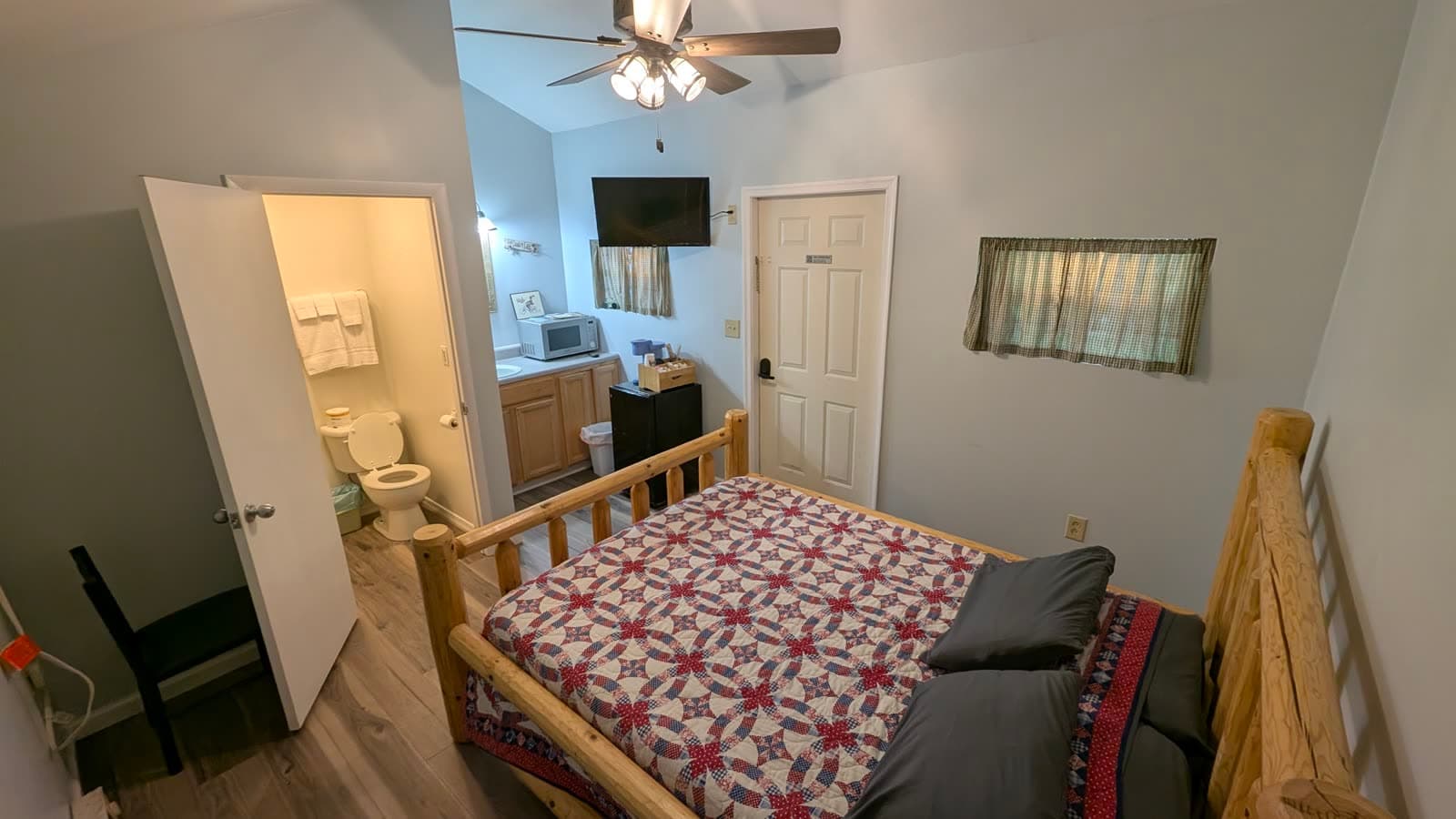
Staying at trail lodging shrinks the list further. At our end of the GAP — The Tunnel Hotel in Frostburg, the 1888 inn 300 yards from the corridor — dinner, local beer, and a hot breakfast happen downstairs at the Trail Inn Cafe and go on the room tab, so day-three you carries no food at all. Camping is on site too at $17.10 a person per night with tax included, which lets mixed groups split beds and tents at one address. Rooms open from $79.79 nightly, taxes in the price, at tunnelhotel.com/book.