The Hybrid Thru-Ride, Defined
Somewhere around day three of a 334.5-mile trip, most all-camping riders start fantasizing about mattresses and most all-hotel riders start wincing at their running total. The hybrid approach splits the difference deliberately: tent nights for economy and flexibility, bed nights for recovery and drying out, scheduled where each does the most good. It isn't a compromise so much as a strategy — and on the GAP and C&O it works unusually well, because the two trails supply opposite sleeping economies.
What Camping Costs — and What It Buys
On the C&O half, camping is practically the default: the towpath is lined with primitive hiker-biker sites run by the National Park Service, and their spacing gives campers enormous flexibility about where a day ends. Amenities are minimal and water pumps are seasonal, so verify conditions before relying on them. On the GAP half, camping means designated campgrounds in and near the trail towns rather than dispersed sites.
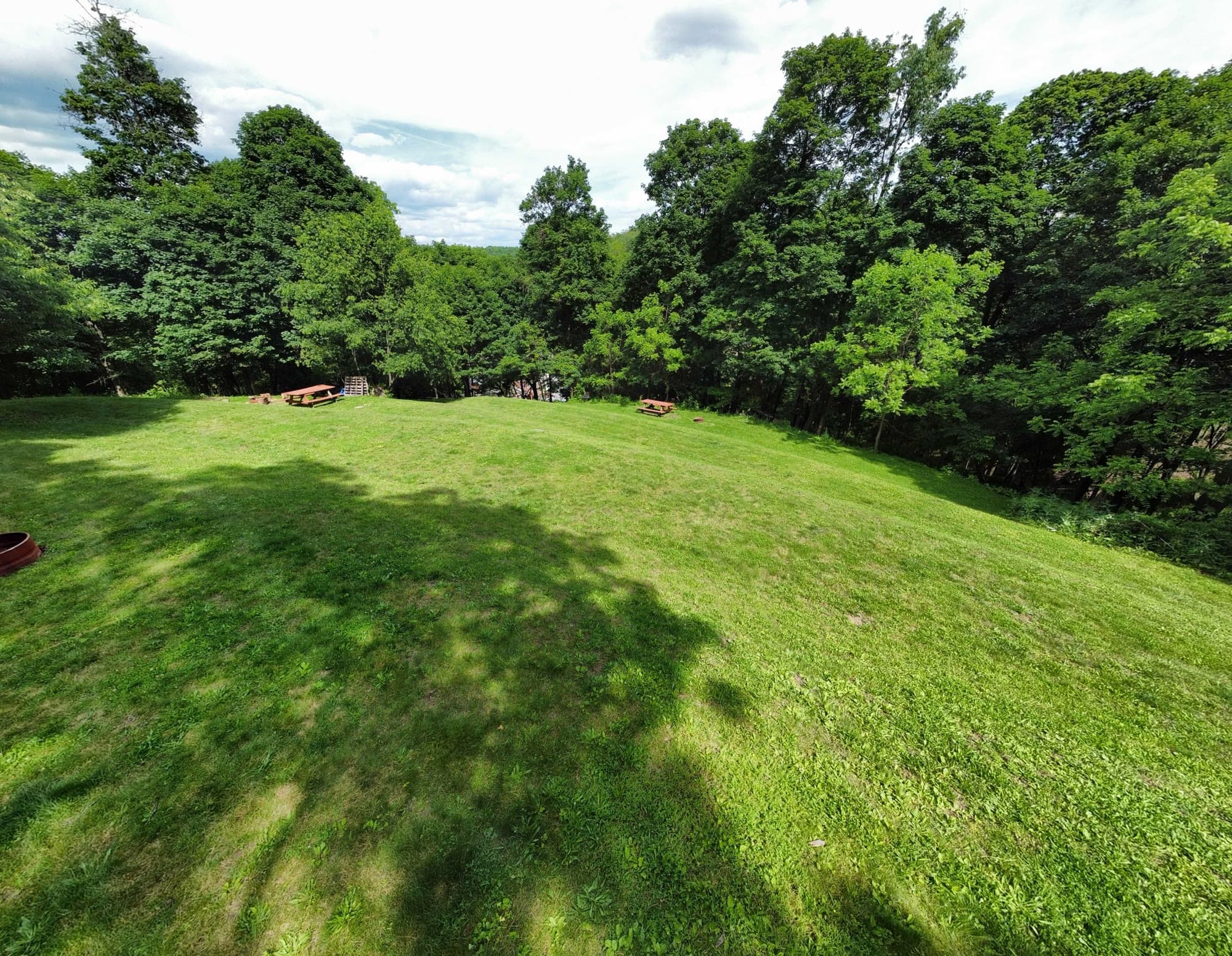
At our end of the mountain, the tent field behind the inn charges $17.10 per person per night — tax already in — across more than 20 sites, one of them ADA-accessible. Campers use the same trailside location as hotel guests, which is precisely what makes the hybrid strategy easy to execute here: the tent and the bed are the same reservation system, covered at tunnelhotel.com/blog/primitive-camping-guide.
What a Bed Buys You at Mile 150
A hotel night mid-ride is not a luxury purchase; it's maintenance. A real mattress repairs sleep debt that a pad never quite clears, a shower resets morale, and a heated room dries the chamois, the tent fly, and everything else the weather soaked. Riders consistently report their strongest riding day follows their bed night — which is an argument for placing that night before the route's hardest section, not after it.
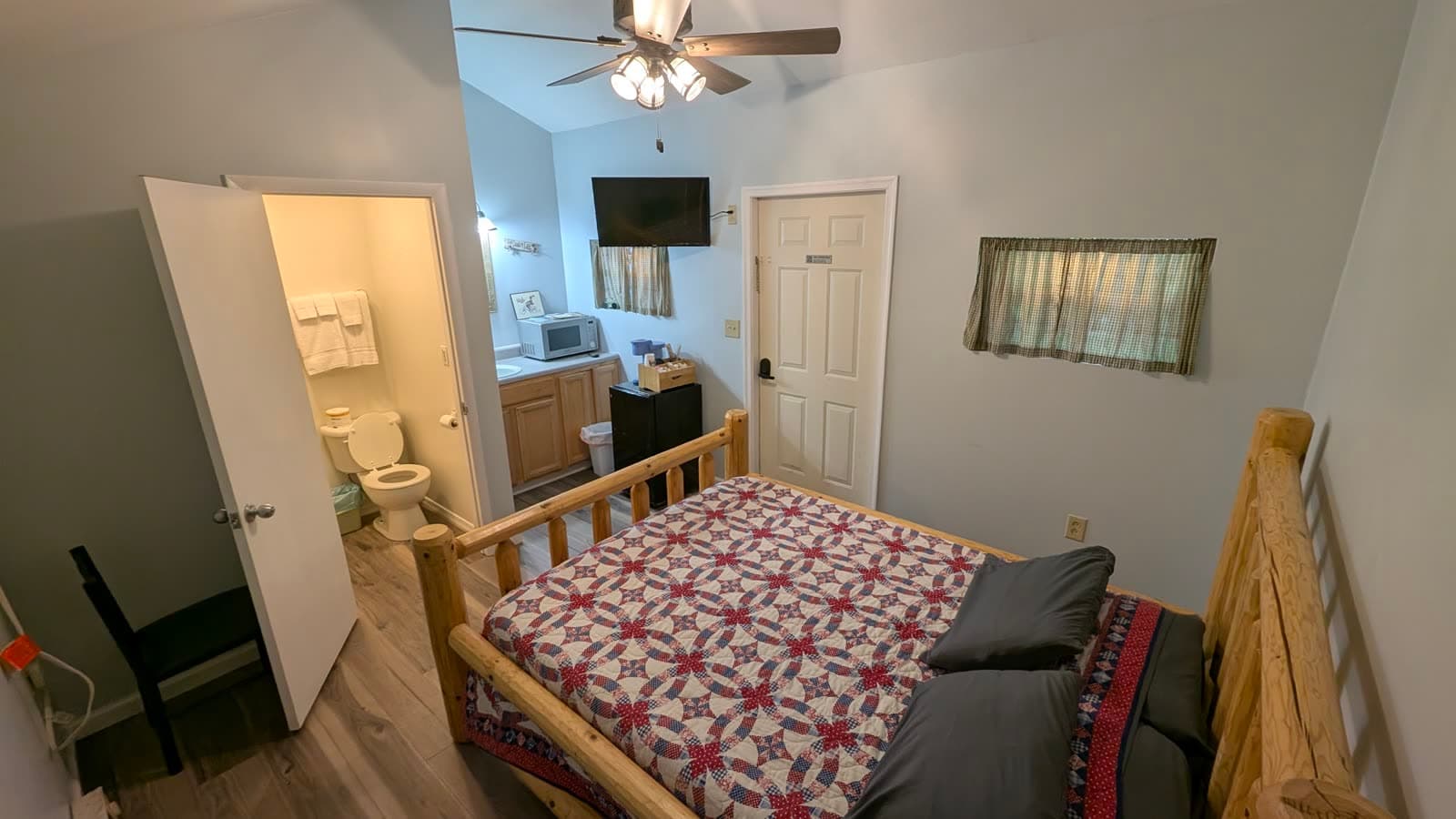
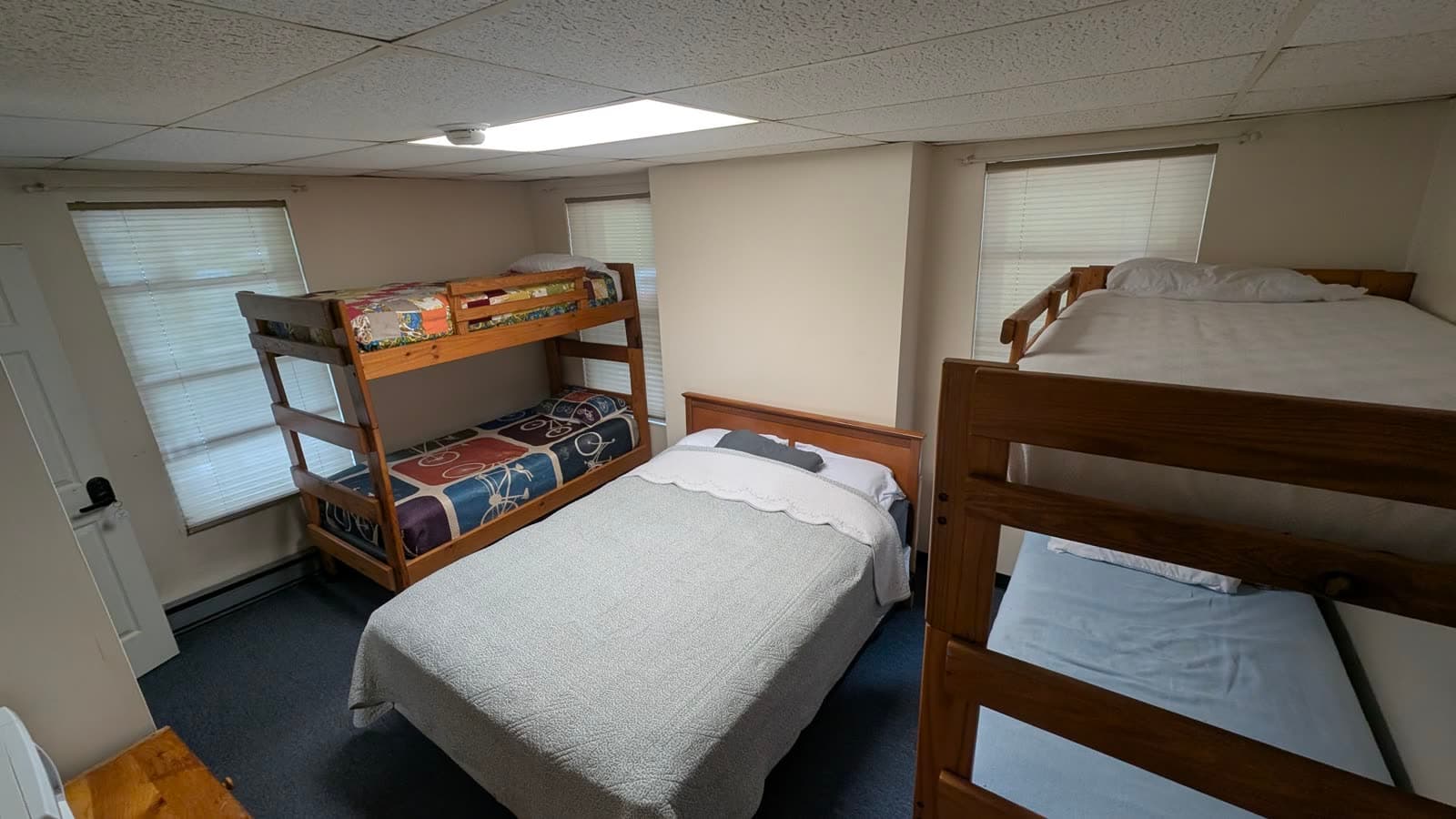
The price of that maintenance here: queens at the inn from $79.79, pull-out rooms sleeping four from $91.19, all figures with Maryland's 14% lodging tax already included, plus a cafe downstairs that will load you with hot breakfast and trail sandwiches before you roll. Room-by-room detail sits at tunnelhotel.com/stay.
The Math for Real Groups
Run the numbers per party, not per person, because group size flips the answer.
- Two riders: tent sites total $34.20 a night against $79.79 for a queen — camping saves about $45, a real margin over a week of nights.
- Four riders: $68.40 in the tent field versus $91.19 for a pull-out room sleeping four — the bed premium shrinks to roughly $23 for the whole group.
- Six riders: $102.60 camping versus $147.06 for the Big Savage Bunk Room, which sleeps six — still cheaper to camp, but under $8 more per head for mattresses and a shower.
- The pattern: the bigger the group, the cheaper beds get relative to tents — solo riders save the most by camping, and crews of four-plus should price the rooms before defaulting to nylon.
A Sensible Rhythm for the Full Route
The formula seasoned hybrid riders converge on: a bed roughly every second or third night, always after a soaking, and always before the mountain. Camp the mellow C&O stretches where hiker-biker sites are plentiful and free-form; spend for walls at the junction or on the climb, where the riding is hardest and the drying-out matters most; and keep one unplanned bed night in the budget as weather insurance.
Frostburg makes the natural splurge point in either direction — it sits where the GAP's grade peaks, and because tent sites and rooms share one property here, you can book a campsite and upgrade to a bunk when the forecast turns, or the reverse. Check-in never complicates the audible: there are no desk hours to beat, since the door code simply arrives by text.
Book the Beds, Wing the Tents
Final tactic: reserve the few bed nights early — they're the scarce resource — and leave the camping nights loose, since tent capacity flexes and hiker-biker sites don't take reservations anyway. Lock your mountain bed and any tent sites you want at tunnelhotel.com/book, then let the rest of the trip breathe. Half the joy of a thru-ride is not knowing exactly where you'll sleep; the other half is knowing exactly where you will, twice a week.