Tent or mattress
Camping vs a Room: The Honest Math
Seventeen dollars and ten cents buys a night under the stars. Seventy-nine seventy-nine buys one under a roof. Both numbers include tax — here's how to choose between them.
Camping & Outdoors · 5 min read ·
The Two Numbers, Side by Side
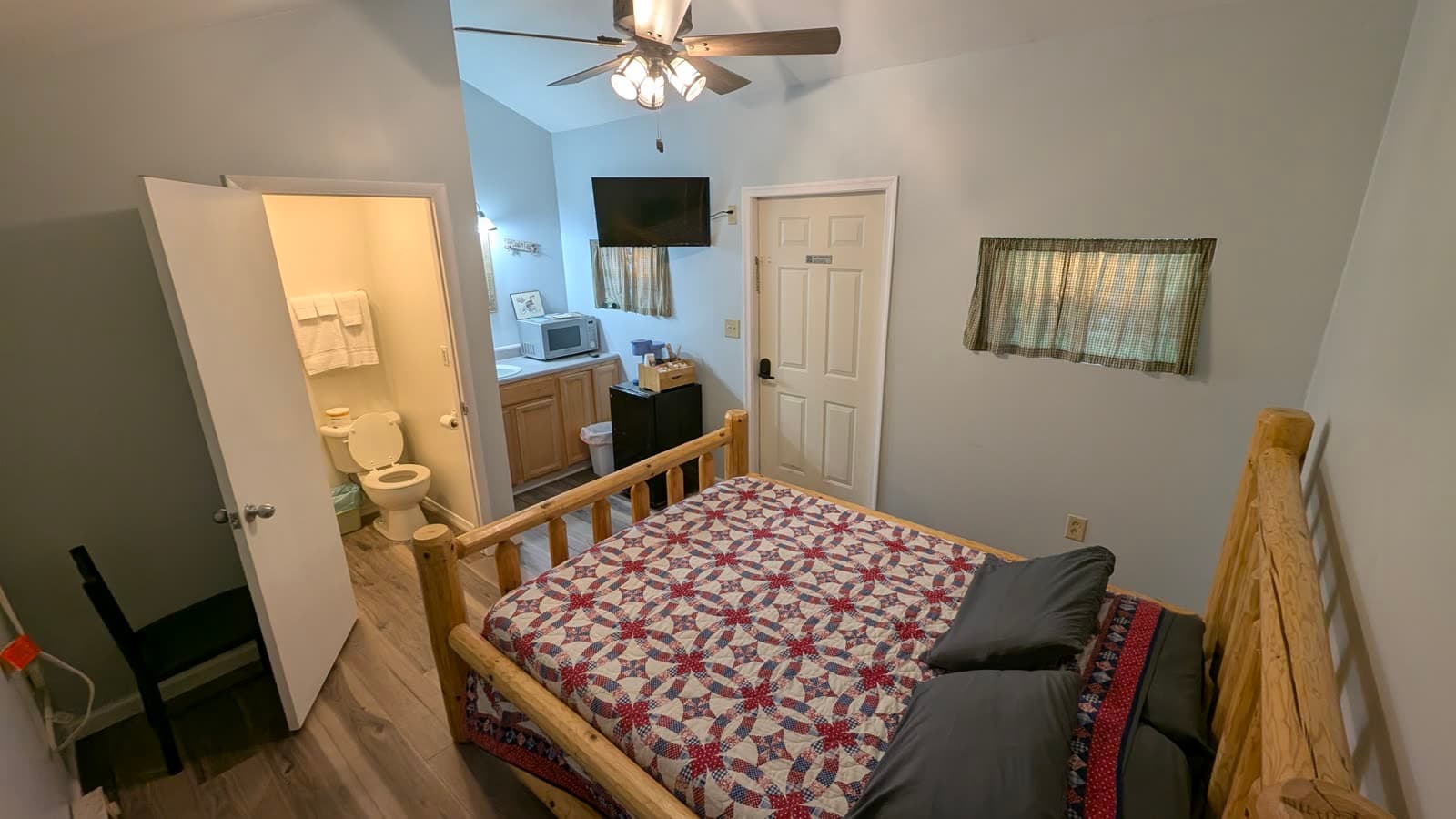
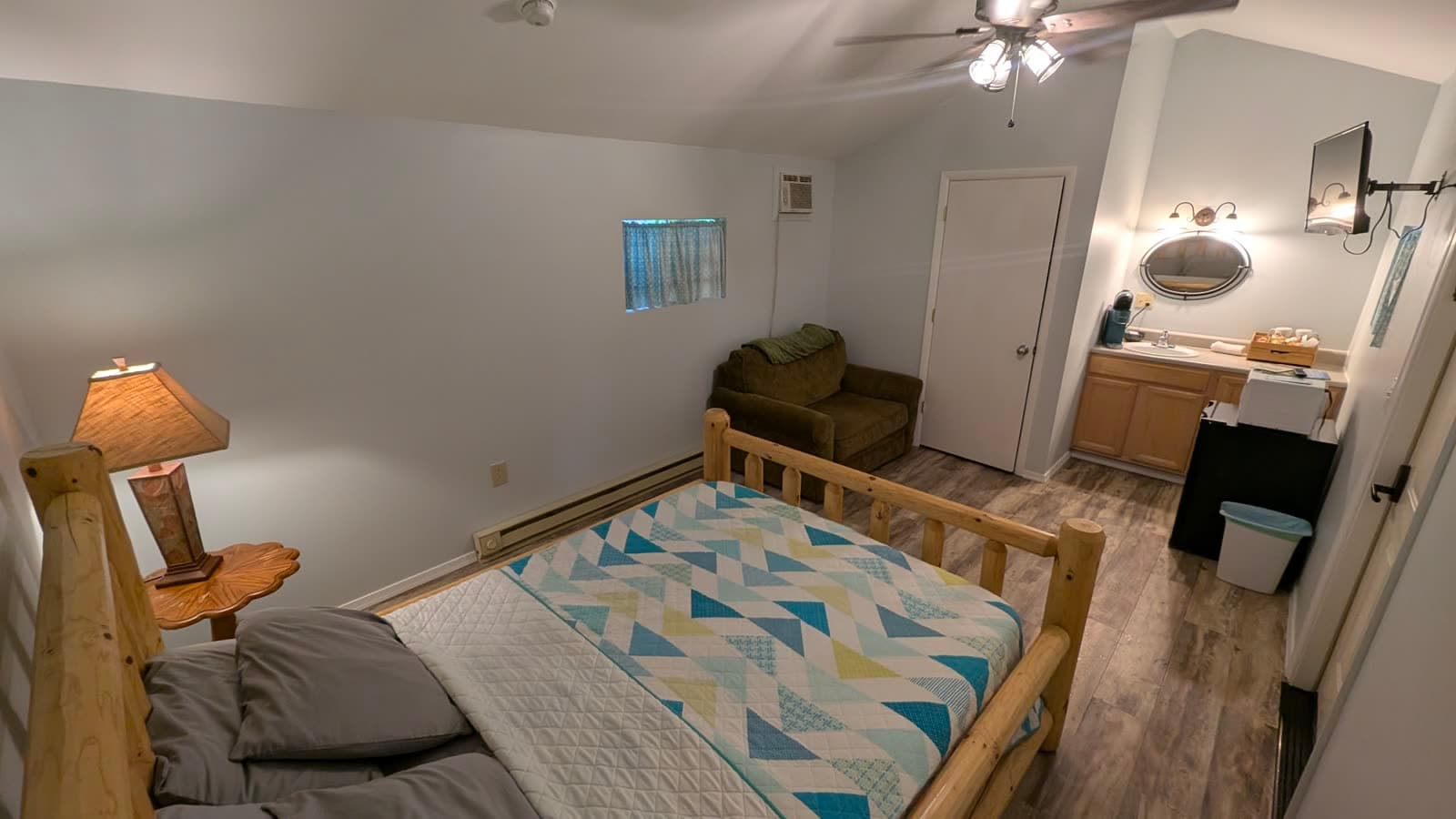
Because we run both a campground and an 1888 inn on the same property in Frostburg, we get this question weekly and can answer it without spin. Tent camping is priced per person: $17.10 a night, tax inside the figure. Rooms are priced per room: queens from $79.79, larger configurations up the scale from there, all tax-included because Maryland requires the advertised price to be the real one.
That per-person versus per-room difference is the entire decision engine. It means the comparison changes with your headcount, your weather tolerance, and your recovery needs — so the right answer for a solo thru-rider inverts for a family of four. Let's run the actual cases.
When the Tent Wins
Solo travelers own the strongest tent case: one camper pays $17.10 where one room-sleeper pays $79.79, a gap wide enough to fund a railbike ride with change left for pizza. Couples still come out well ahead — two campers total $34.20 against the queen's $79.79 — and anyone doing a multi-night GAP tour watches those nightly savings compound quickly.
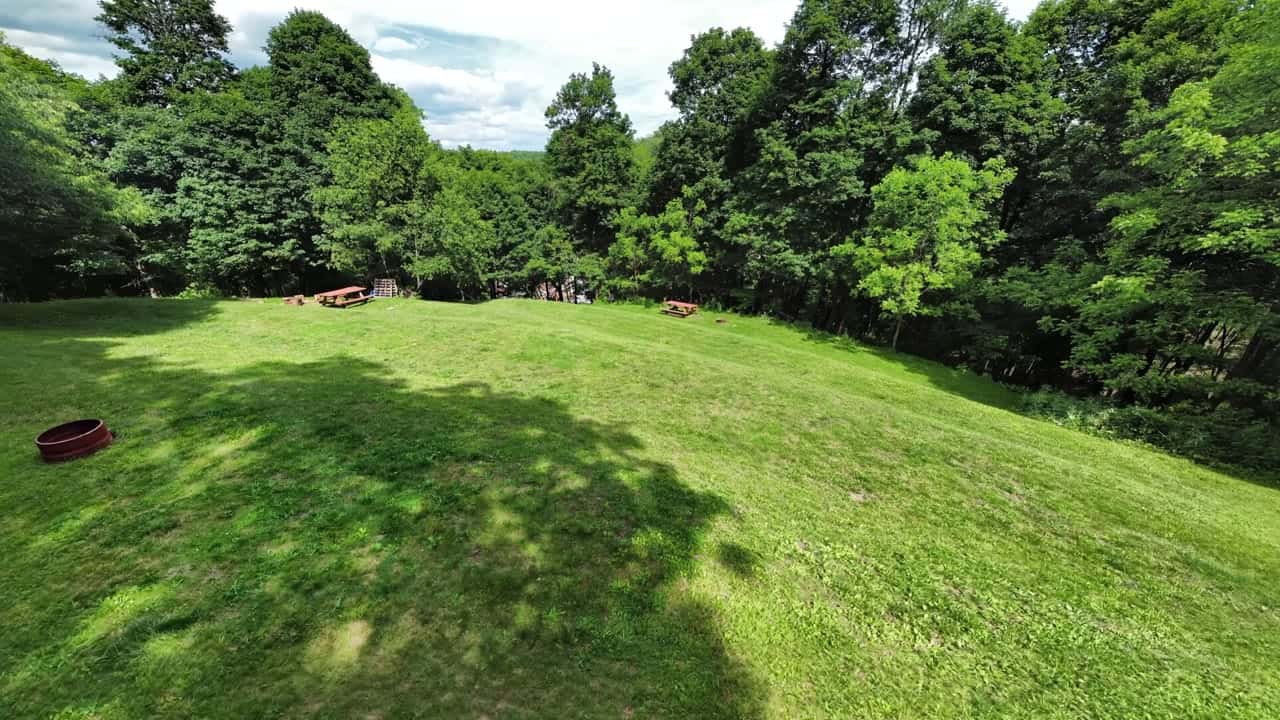
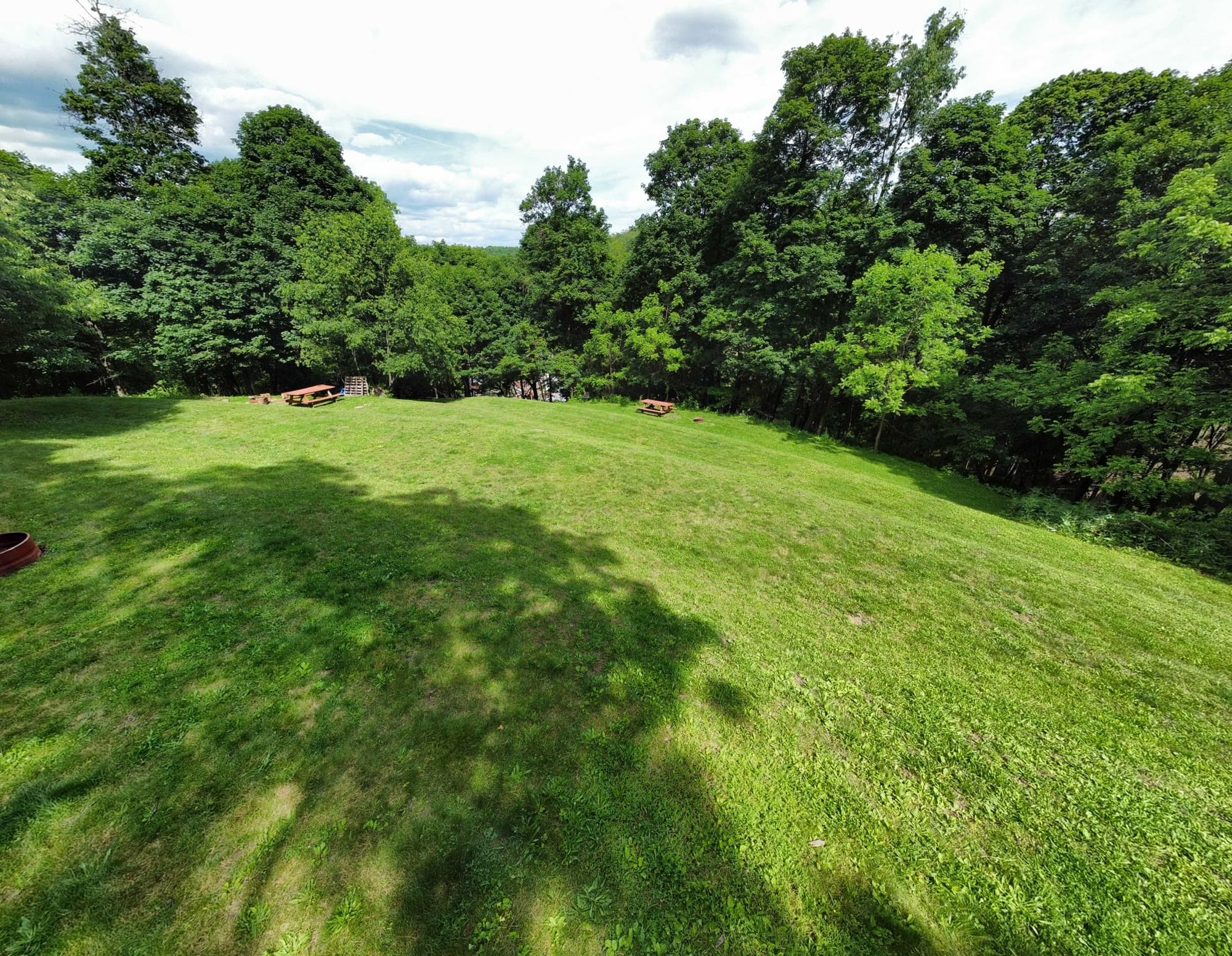
The tent also wins on intangibles money can't price. You sleep in mountain air near the Eastern Continental Divide, you hear the property go quiet after dark, and dawn puts you on the trail before roomed guests find their shoes. For travelers who camp because they love camping, this section required no persuasion at all.
When the Bed Wins
Rain rewrites everything. A wet forecast turns the queen's premium into cheap insurance, because a soaked tent at mile 90 of a tour is a morale event, not just a damp one. The bed also wins mid-thru-ride when your body files a formal complaint: a real mattress, a real door, and an 11 AM checkout constitute the best recovery tool on the mountain.
Groups shift the arithmetic too. Four campers cost $68.40 a night, while the Tunnel Deluxe or Depot Deluxe — each sleeping four with a queen plus pull-out — runs $91.19. That $22.79 difference buys walls, beds, and zero wet-gear management, which is why foursomes so often go indoors even when they arrived planning to camp. Compare the room options at tunnelhotel.com/stay before deciding on principle alone.
The Comparison Nobody Puts in a Table
A few factors resist arithmetic but decide real bookings, so here they are stated plainly.
- Weather exposure: the tent's biggest tax isn't money, it's forecast anxiety.
- Sleep quality: pads have improved; mattresses are still winning.
- Gear burden: camping means hauling shelter and sleep systems the whole trip — see tunnelhotel.com/blog/gap-trail-camping-gear for how light that can get.
- Amenity certainty: our sites are genuinely primitive, so ask us about any facility you're counting on rather than assuming.
- Food: identical for both — the cafe and its pickup ordering serve campers and room guests alike.
- Trail access: a wash; everyone here is 300 yards from the GAP.
The Hybrid Move: Mix Both in One Stay
Here's the option the either/or framing hides: split the stay. Camp the clear night, take the room the stormy one; or tent it for the adventure night and book the bed for the recovery night before a big ride. Because sites and rooms live in the same reservation system, one checkout at tunnelhotel.com/book handles the whole mixed itinerary — and railbike rides bolt onto the same booking.
Thru-riders planning the full Pittsburgh-to-DC line use a version of this across the whole route, alternating tents and beds by weather and fatigue. Our tunnelhotel.com/blog/bikepacking-gap-trail guide covers that town-hopping logic; the principle scales down perfectly to a single weekend in Frostburg.
Decide, Then Sleep on It — Literally
If you're still torn, default by party size: solo or duo, take the tent and bank the difference; four or more, price the deluxe rooms and the Big Savage Bunk Room at $147.06 for six before committing to grass. Whichever way you land, the mountain, the trail, and the wood-fired oven treat both populations identically. Lock in your choice at tunnelhotel.com/book.
Tracks & Yaks, right next door
All experiences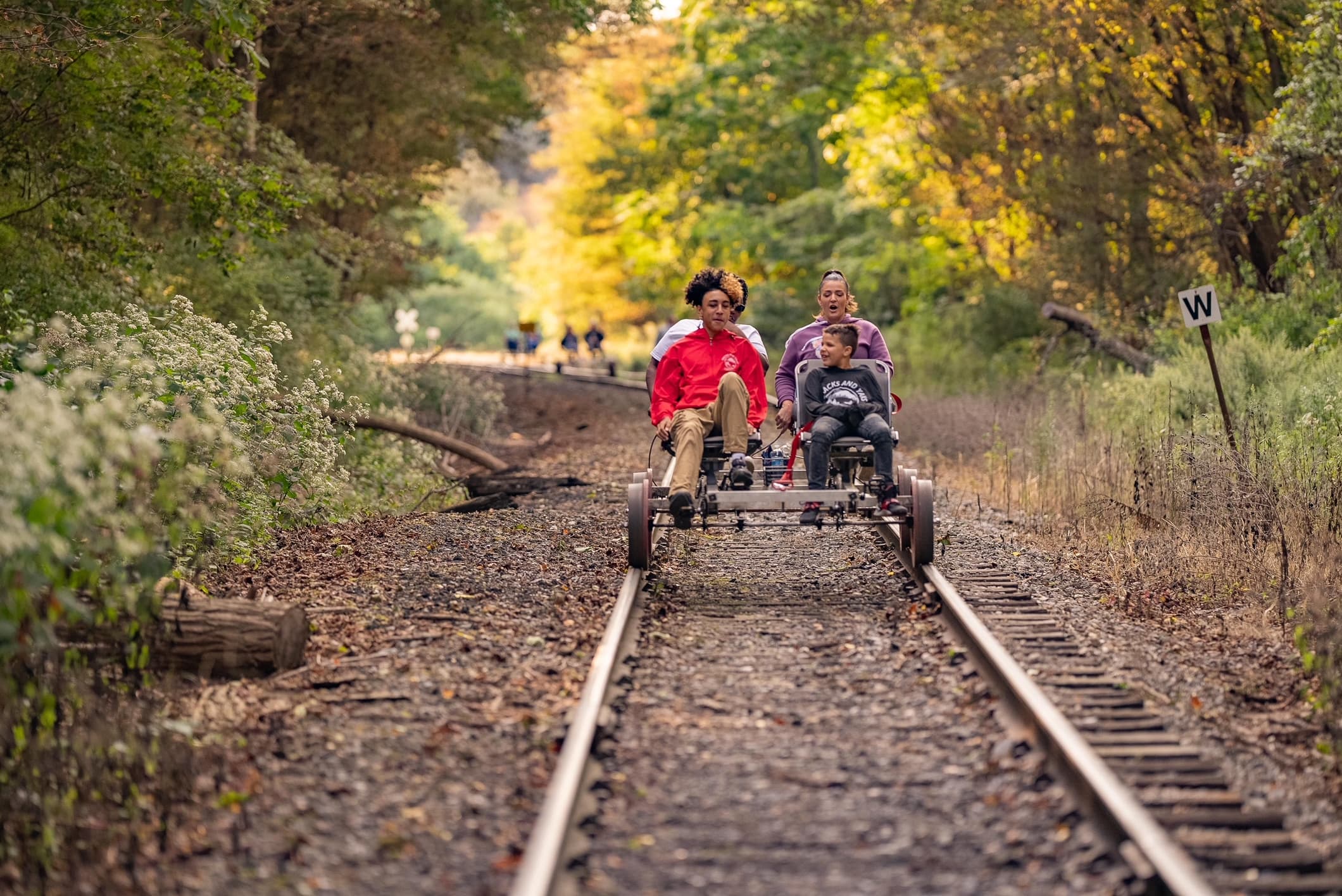
Helmstetter Hotshot
Two hours on the rails out to Helmstetter's Curve, the iconic horseshoe bend famous with railfans and photographers.
from $99
Details →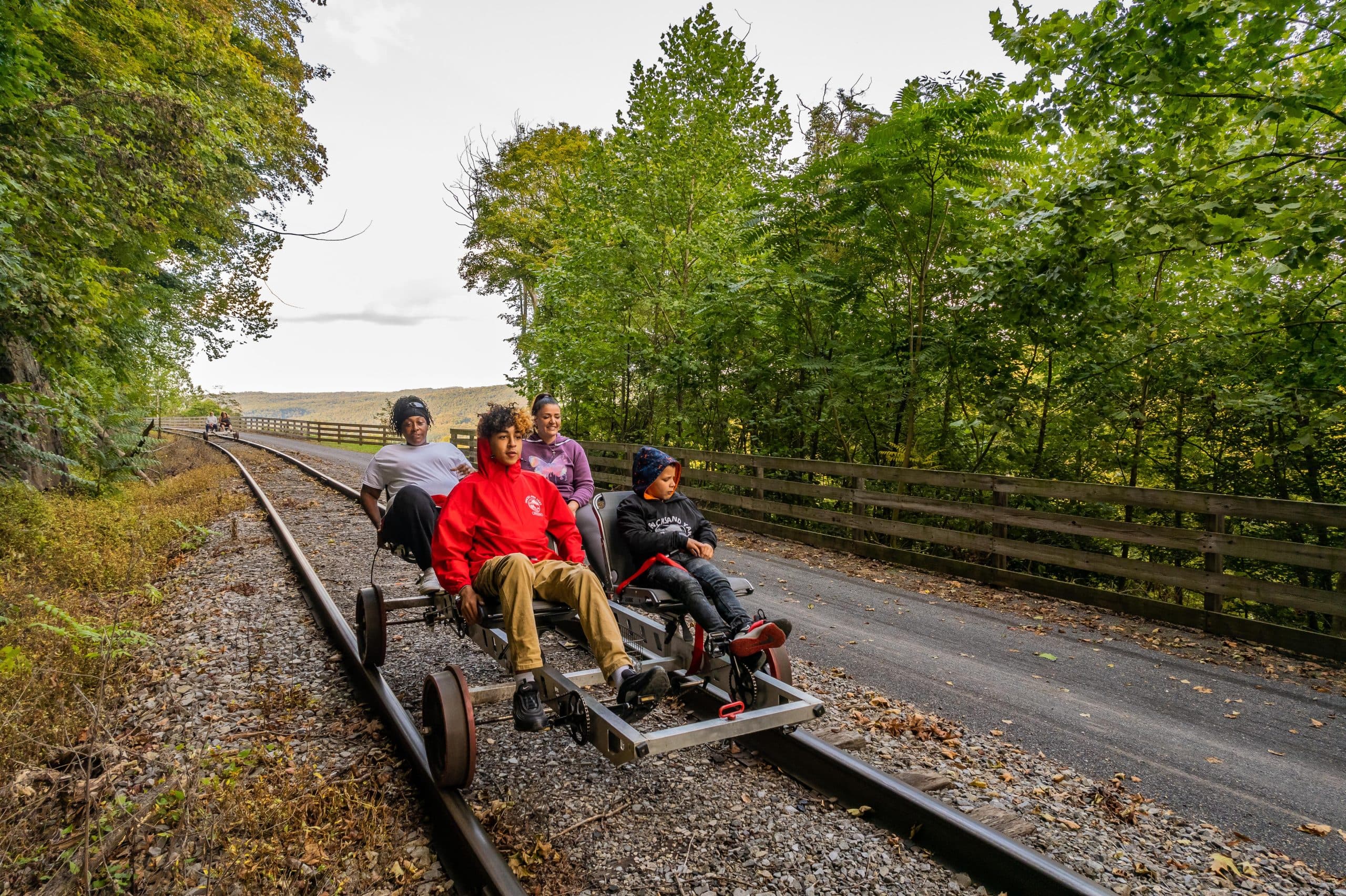
Geared Bicycle Rental — 2 Hour
A geared bicycle for two hours on the Great Allegheny Passage — go at your own pace.
from $25
Details →Questions, answered straight
Is it cheaper to camp or get a room at The Tunnel Hotel?
For one or two people, camping is cheaper: tent sites cost $17.10 per person per night with tax included, so a couple pays $34.20 versus $79.79 for a queen room. At four people, camping totals $68.40 while a four-sleeper room with queen bed and pull-out costs $91.19 — close enough that many groups choose the beds.
Can I split a stay between camping and a hotel room?
Yes. The Tunnel Hotel in Frostburg, MD runs its primitive campground and its 1888 inn on the same property with one booking system, so guests can camp one night and sleep indoors the next in a single reservation at tunnelhotel.com/book. Many visitors camp on clear nights and move inside when rain arrives or before a big riding day.
Do campers and hotel guests get the same food access?
Yes. The Trail Inn Cafe — coffee, hot breakfast, trail sandwiches, wood-fired pizza, and local beer — serves everyone on the property, and pickup ordering at tunnelhotel.com/order works for tent campers and room guests alike. Food access is one category where the $17.10 campsite and the $79.79 room are exactly equal.
Should GAP thru-riders carry a tent or book rooms?
Many experienced thru-riders do both: carry a light tent for flexibility, then book beds for bad weather and recovery nights. On a per-night basis in Frostburg, camping at $17.10 per person suits solo riders and couples, while rooms from $79.79 tax included earn their cost during rain or after hard days on the 150-mile route.