Loaded and rolling
Bikepacking the Great Allegheny Passage
The GAP might be America's friendliest place to learn loaded riding: gentle railroad grades, a forgiving surface, and a town with food around every few bends.
Camping & Outdoors · 6 min read ·
Why the GAP Is a Bikepacking Gateway Drug
Bikepackers who cut their teeth on singletrack routes find the Great Allegheny Passage almost suspiciously civilized. The trail follows old railroad grades for all 150 miles between Pittsburgh and Cumberland, so the climbing is steady rather than brutal, and the crushed-limestone surface rolls fast under a loaded bike without demanding suspension or nerves.
What makes it a genuine gateway route, though, is the rhythm of resupply. Towns appear regularly enough that a GAP bikepacker carries hours of food, not days — which means lighter bags, a happier bike, and margin for error that remote routes never grant. Add the 184.5-mile C&O Canal Towpath from Cumberland and you've got a 334.5-mile Pittsburgh-to-DC line with the same forgiving character.
Bags vs Panniers on Crushed Limestone
The eternal debate gets a specific answer on this trail. Soft bikepacking bags — frame bag, seat pack, handlebar roll — keep weight centered and the bike lively, and they shrug off the vibration that limestone feeds into a bike all day. Their cost is capacity: packing them is a puzzle, and bulky items fight you.
Panniers on a rear rack swallow gear without ceremony and make camp setup faster, which matters when you're pitching a tent at dusk. On the GAP's smooth, non-technical surface, their handling penalty barely registers — this is one of the few routes where the pannier crowd loses no argument. The honest verdict: bags if you already own them and enjoy packing Tetris, panniers if you want easy capacity, and either one will finish the trail without complaint.
A Limestone-Friendly Setup
You don't need a purpose-built rig, but a few choices make the surface your ally instead of a slow leak of energy and comfort.
- Tires on the wider side, run a touch softer than road pressure — limestone rewards float over speed.
- Fenders if rain is anywhere in the forecast; wet limestone spray coats everything you own.
- Bar mitigation for all-day vibration: doubled bar tape or ergonomic grips beat sore hands by mile 60.
- A front light with real output for the tunnels, and a check on Big Savage Tunnel's status — it typically closes late November to early April.
- Bolts checked and threadlocked; days of steady vibration hunt loose hardware.
Town-Hopping: The GAP Resupply Strategy
Plan the ride as a chain of towns rather than a wilderness expedition. Each day needs only enough calories to reach the next main street, so your food bag stays small and your dinners stay hot. This is the discipline that separates a fast, fun GAP setup from an overloaded one — every item you carry "just in case" is a bet against towns that will absolutely be there.
Sleeping works the same way. Rather than hauling gear for undefined camping, aim each night at a known bed or a known campsite. Riding eastbound, the natural mountain stop is Frostburg — roughly 16 trail miles above Cumberland and just short of the Eastern Continental Divide — where our tent sites at tunnelhotel.com/gap-trail-camping put the overnight decision 300 yards off the trail.
The Frostburg Node: Camp, Eat, Climb On
For a loaded rider, our corner of the depot district functions as a full-service node disguised as a primitive campground. A tent site costs $17.10 per camper per night with tax baked in, and there are 20-plus sites, one ADA-accessible. Dinner requires no stove: order from the Trail Inn Cafe at tunnelhotel.com/order — the wood-fired pizza has ended many a bikepacker's freeze-dried streak.
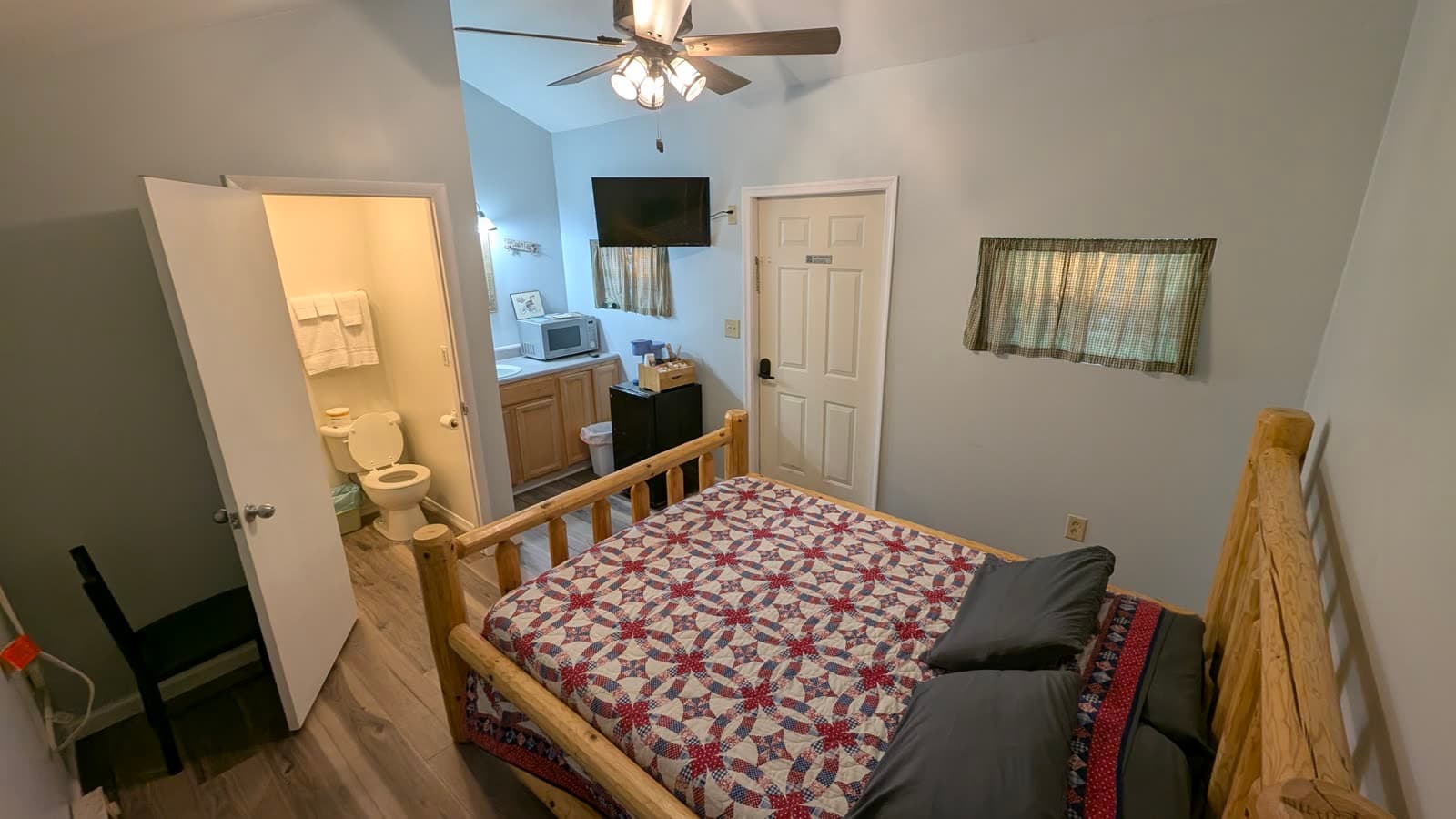
If the weather argues or your body votes for a mattress mid-tour, rooms in the 1888 inn run from $79.79 tax included, and everything — site, room, even a railbike ride for a rest day — goes through one checkout at tunnelhotel.com/book. Thru-riders can compare the tent-versus-bed math in our tunnelhotel.com/blog/camping-vs-room breakdown.
Point the Loaded Bike at the Mountain
Bikepacking's learning curve is real, but the GAP flattens it the way it flattens everything else — gradually, on a railroad grade. Pick your bags, keep the kit small, string the towns together, and let Frostburg be the night you sleep 300 yards from the trail with pizza in reach. Sites and rooms are both live at tunnelhotel.com/book.
Beds 300 yards off the trail
All rooms & camping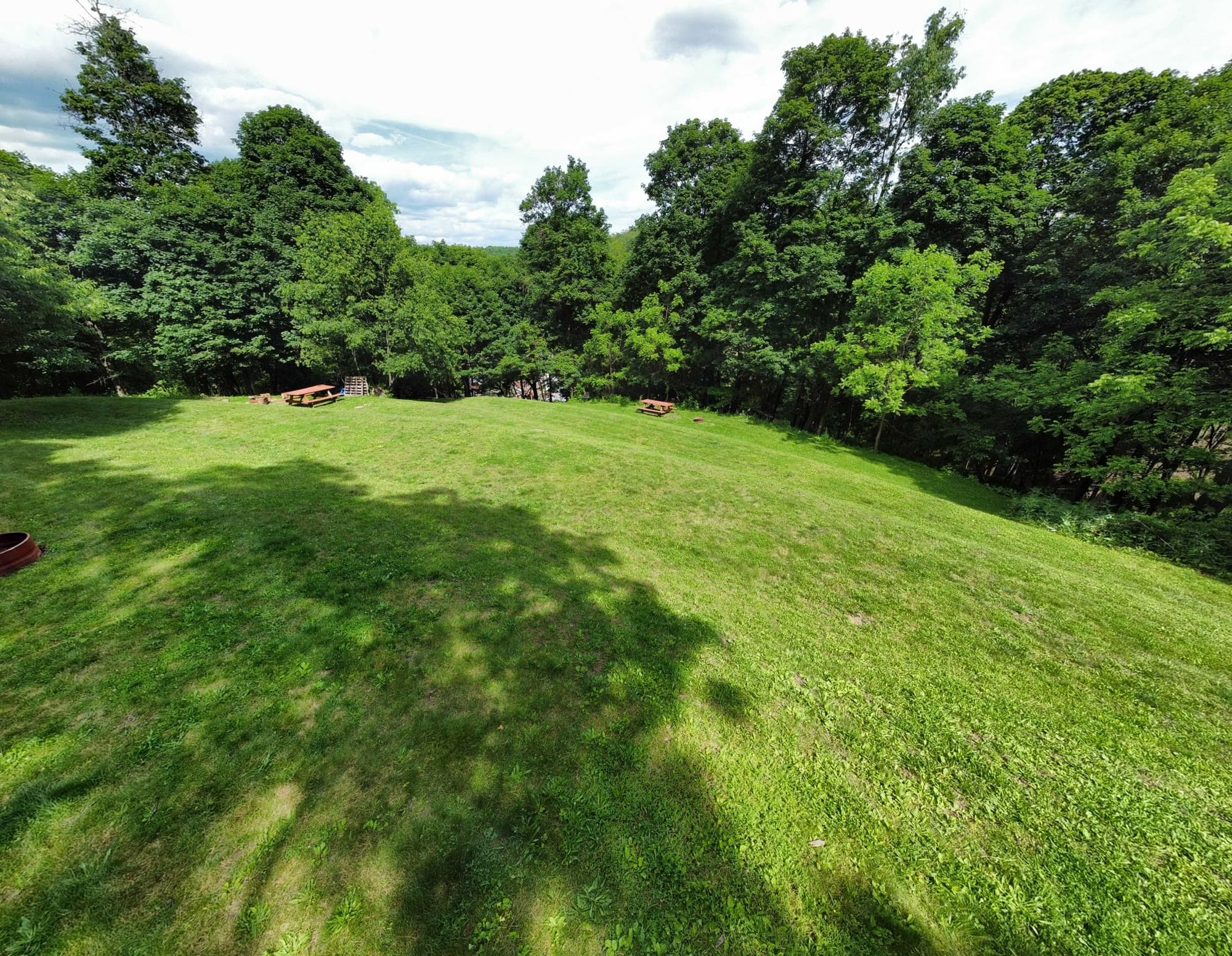
Tracks & Yaks, right next door
All experiences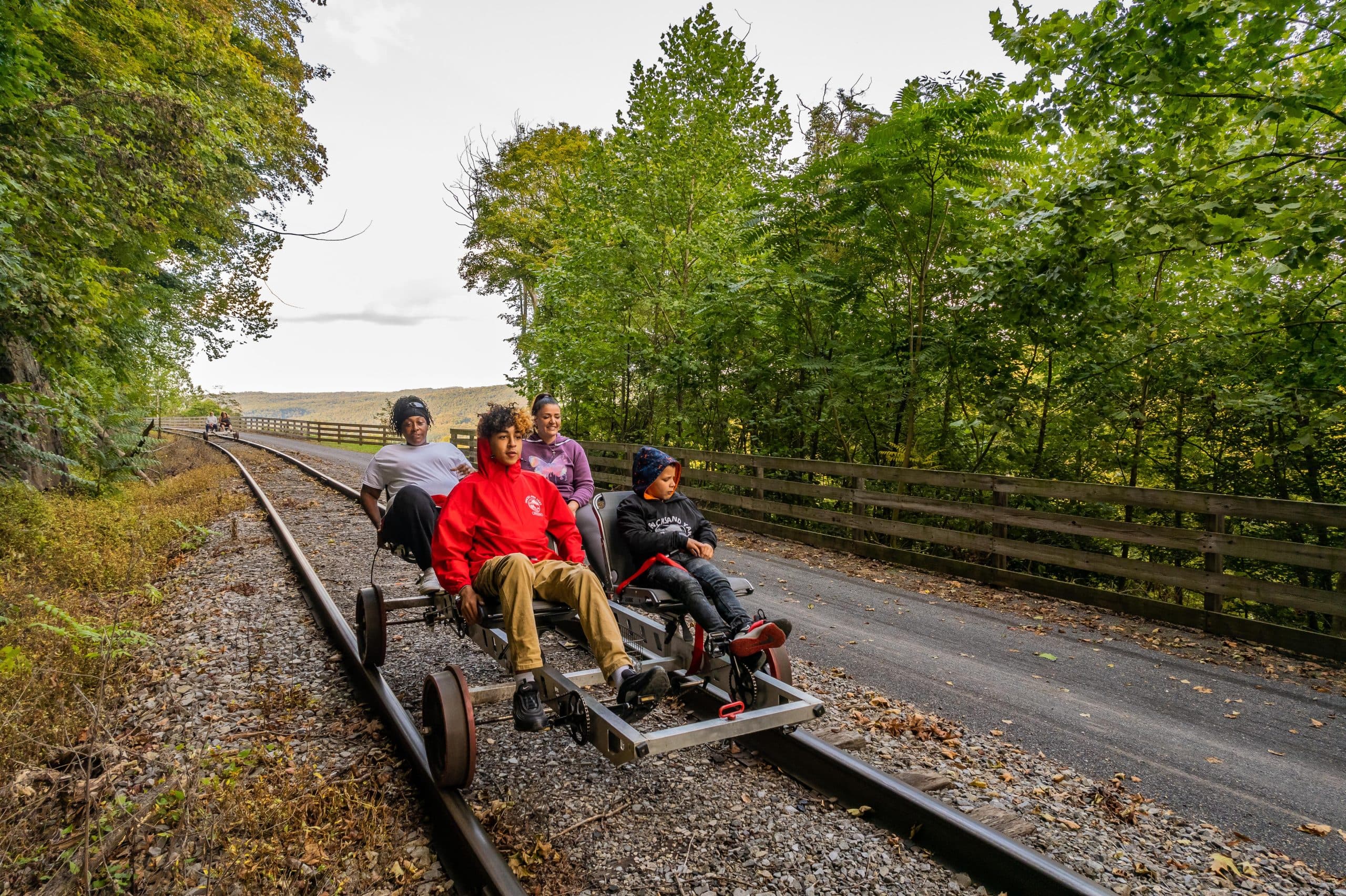
Geared Bicycle Rental — Full Day
A geared bicycle for the full day — explore the GAP from Frostburg in either direction.
from $40
Details →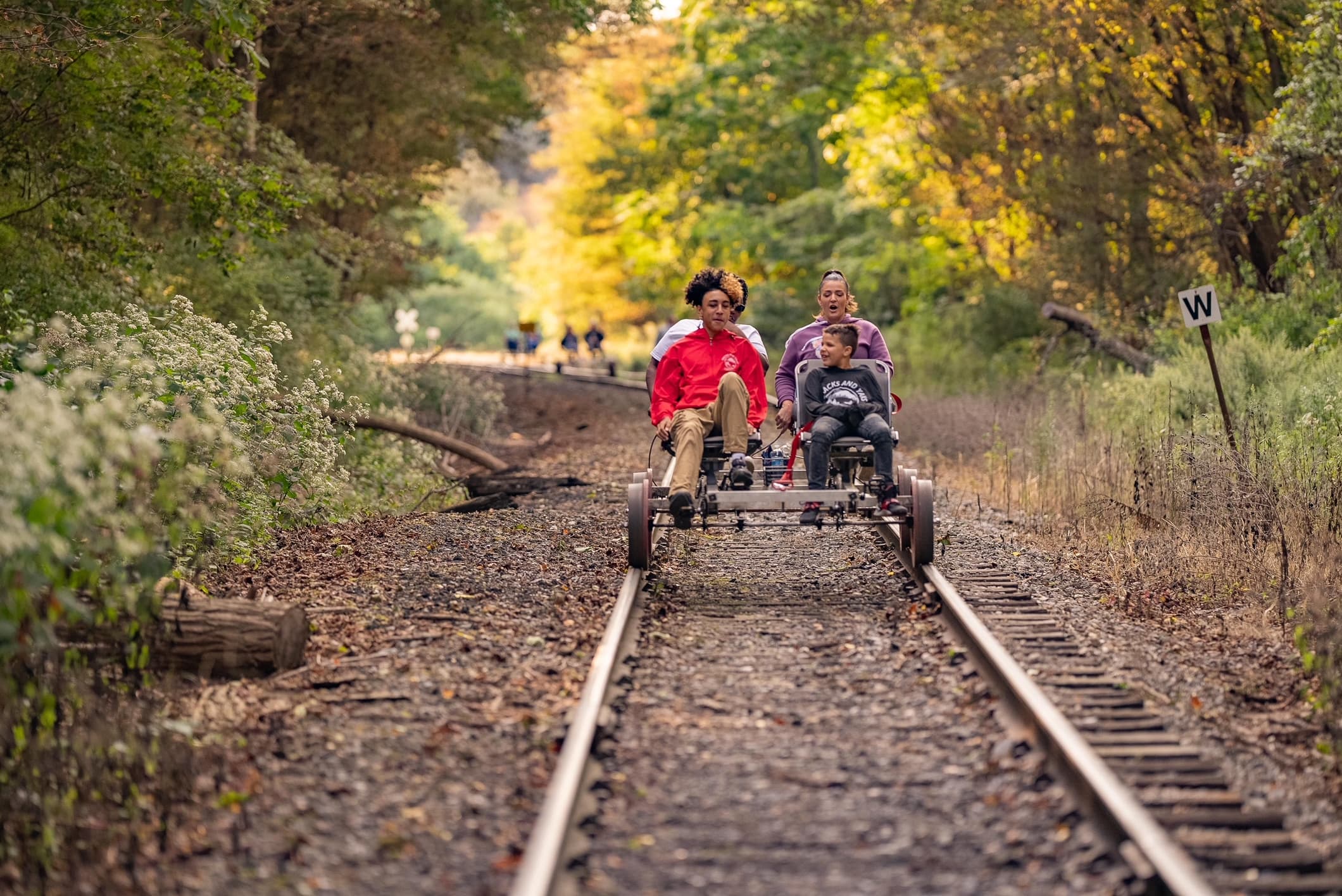
Helmstetter Hotshot
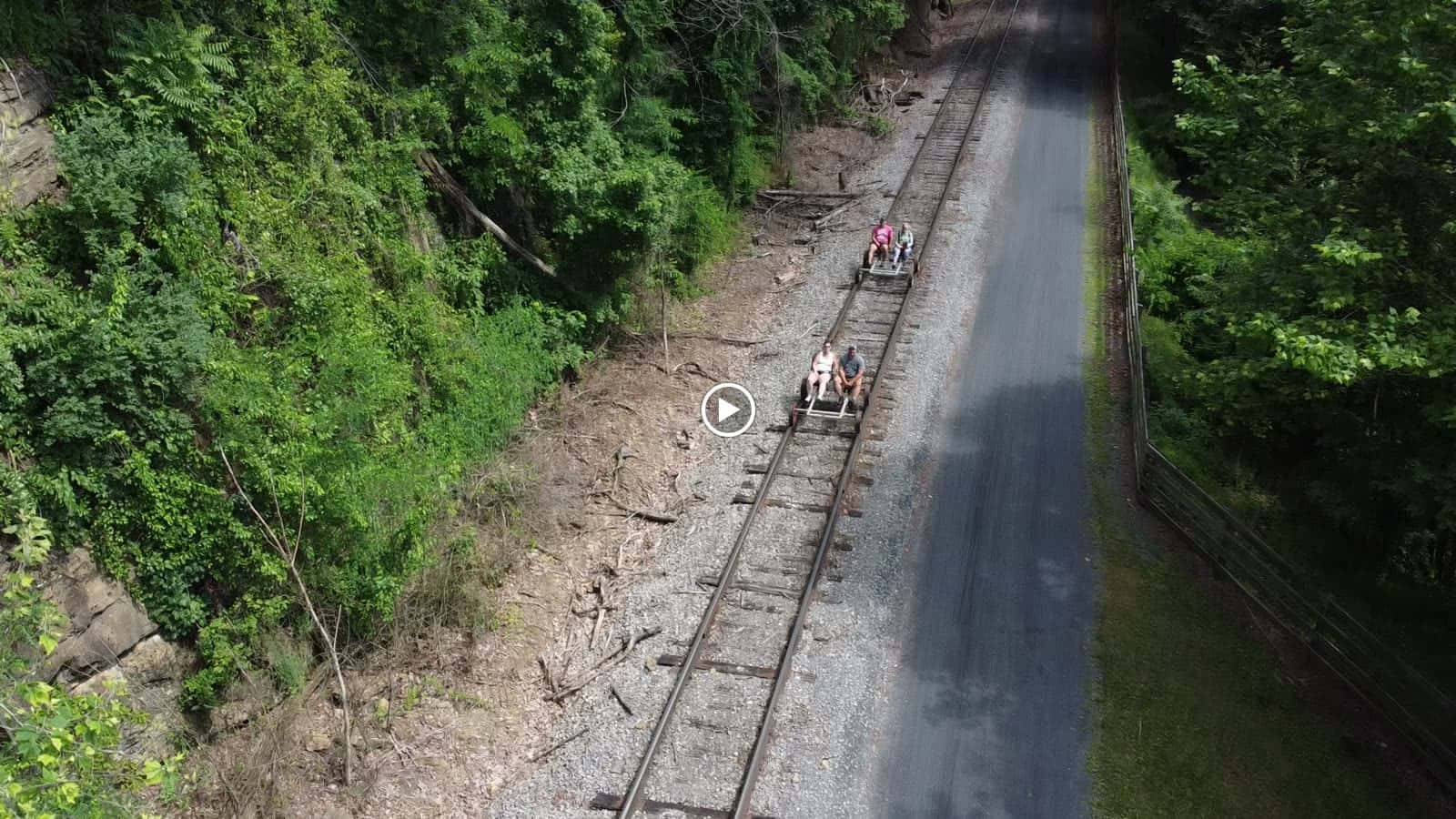
Two hours on the rails out to Helmstetter's Curve, the iconic horseshoe bend famous with railfans and photographers.
from $99
Details →Questions, answered straight
Are panniers or bikepacking bags better for the GAP trail?
Either finishes the GAP comfortably, because the crushed-limestone surface is smooth and non-technical. Soft bikepacking bags keep the bike lively and handle vibration well but limit capacity; panniers carry camping gear more easily and suffer almost no handling penalty on this trail. Choose based on the gear you own and how much you're carrying, not on trail difficulty.
Where do bikepackers camp on the GAP near Frostburg?
The Tunnel Hotel at 20 Depot St in Frostburg, Maryland offers primitive tent camping 300 yards from the Great Allegheny Passage for $17.10 per person per night, tax included, across 20-plus sites with an ADA option. It sits about 16 trail miles up the grade from Cumberland, making it the natural overnight before the Eastern Continental Divide.
How much food should I carry bikepacking the GAP?
Hours' worth, not days' worth. Trail towns along the Great Allegheny Passage appear frequently enough that riders resupply daily and eat hot meals in town each evening. Carry riding snacks and water between stops and keep the food bag small. In Frostburg, campers can order cafe pickup — sandwiches, pizza, breakfast — at tunnelhotel.com/order.
Can a beginner bikepack the Great Allegheny Passage?
Yes — the GAP is widely considered one of the best first bikepacking routes in the country. Railroad grades keep climbs gentle, the 150 miles from Pittsburgh to Cumberland break naturally into town-to-town days, and frequent resupply means beginners can ride with light, simple setups. Most riders complete it in three to five days.