The Shape of the Ride
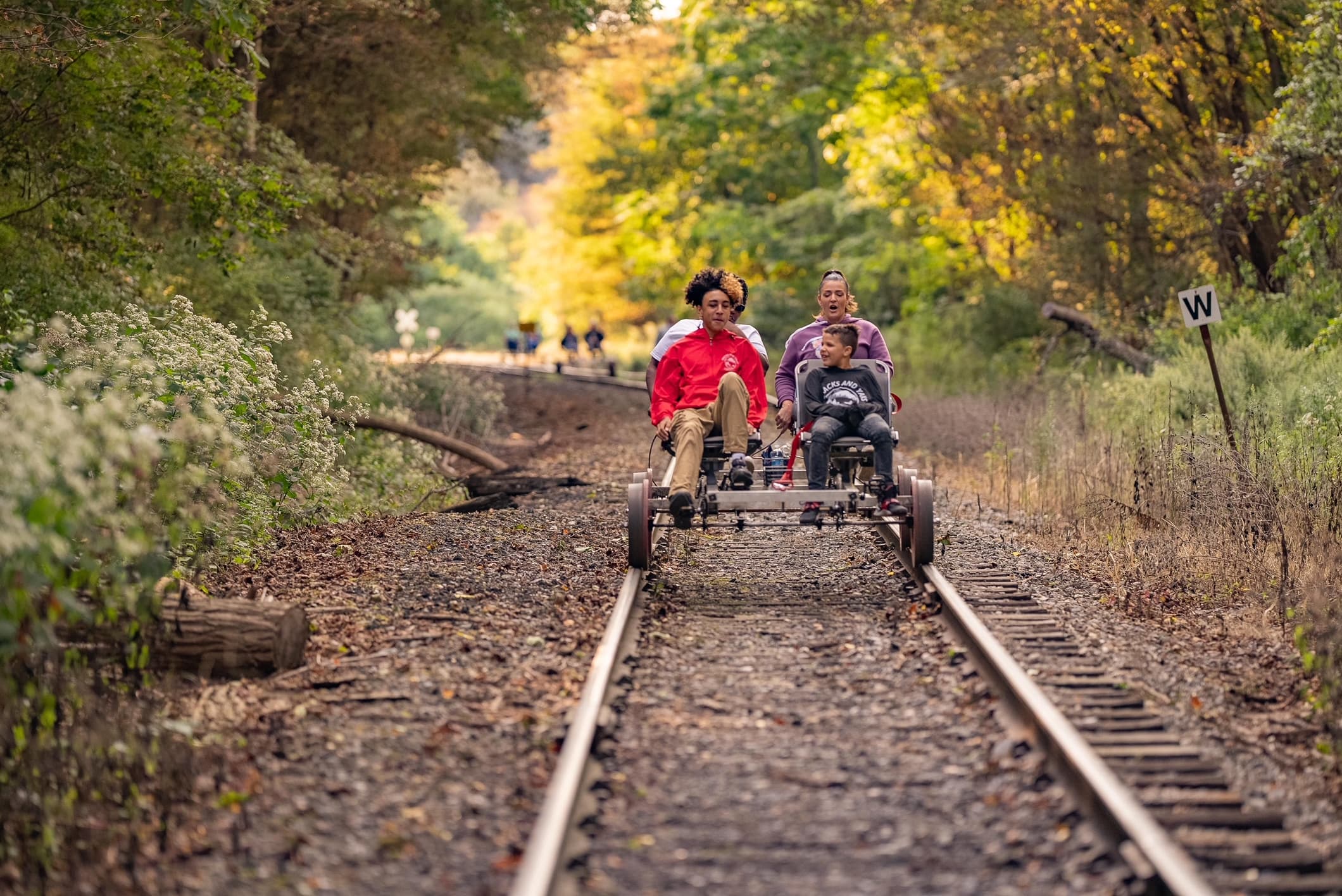
Riding from Pittsburgh to Washington, DC means linking two trails at Cumberland, Maryland: 150 miles of Great Allegheny Passage first, then 184.5 miles of C&O Canal Towpath, for 334.5 miles total. There is no road riding required and no navigation to speak of — you follow one corridor the entire way. What you do have to plan is direction, daily distances, beds, and the trip back to your starting point.
Most people ride west to east, Pittsburgh toward DC, and this guide assumes that. The grade argument behind the choice gets its own treatment in tunnelhotel.com/blog/which-direction-ride-gap if you want the full debate.
How Many Days Does Pittsburgh to DC Take?
There is no official answer, but the field sorts itself into recognizable camps. Fit riders on light setups commonly finish in four or five days, which means back-to-back seventy-mile days on unpaved surface. The broad middle of thru-riders blocks out six to eight days, keeping daily distances in the forties and fifties with time to actually see things. Families and sightseers stretch it past a week without regret.
Whatever you choose, weight the towpath conservatively. The C&O's dirt surface rides slower than the GAP's limestone, and rain can turn an ambitious C&O day into a grind. Build your schedule with shorter towpath days than GAP days and you'll thank yourself in Maryland.
The Three Acts of the Route
Thru-riders tend to remember the trip in three distinct chapters, each with its own character and demands.
- Act one — the river valleys: out of Pittsburgh through old steel and coke towns, gentle and well-serviced, a good place for big early miles.
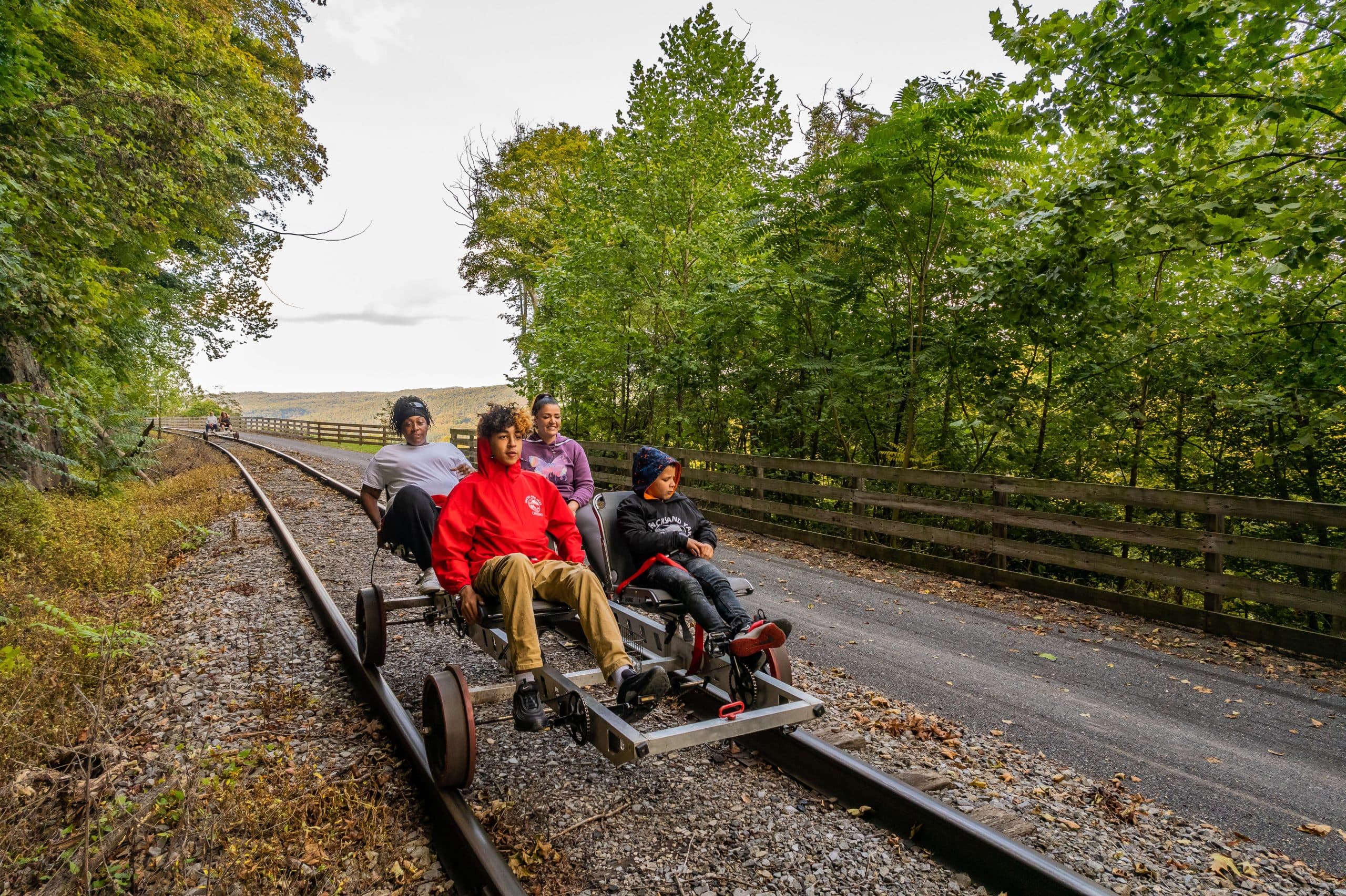
- Act two — the mountain: the long gradual pull to the Eastern Continental Divide, the roughly 3,300-foot Big Savage Tunnel, the Mason-Dixon Line crossing, and then the sweeping descent through Frostburg to Cumberland.
- Act three — the towpath: 184.5 quieter, rougher, greener miles down the Potomac, past lockhouses and the Paw Paw Tunnel, ending in Georgetown.
Where Frostburg Fits in a Thru-Ride
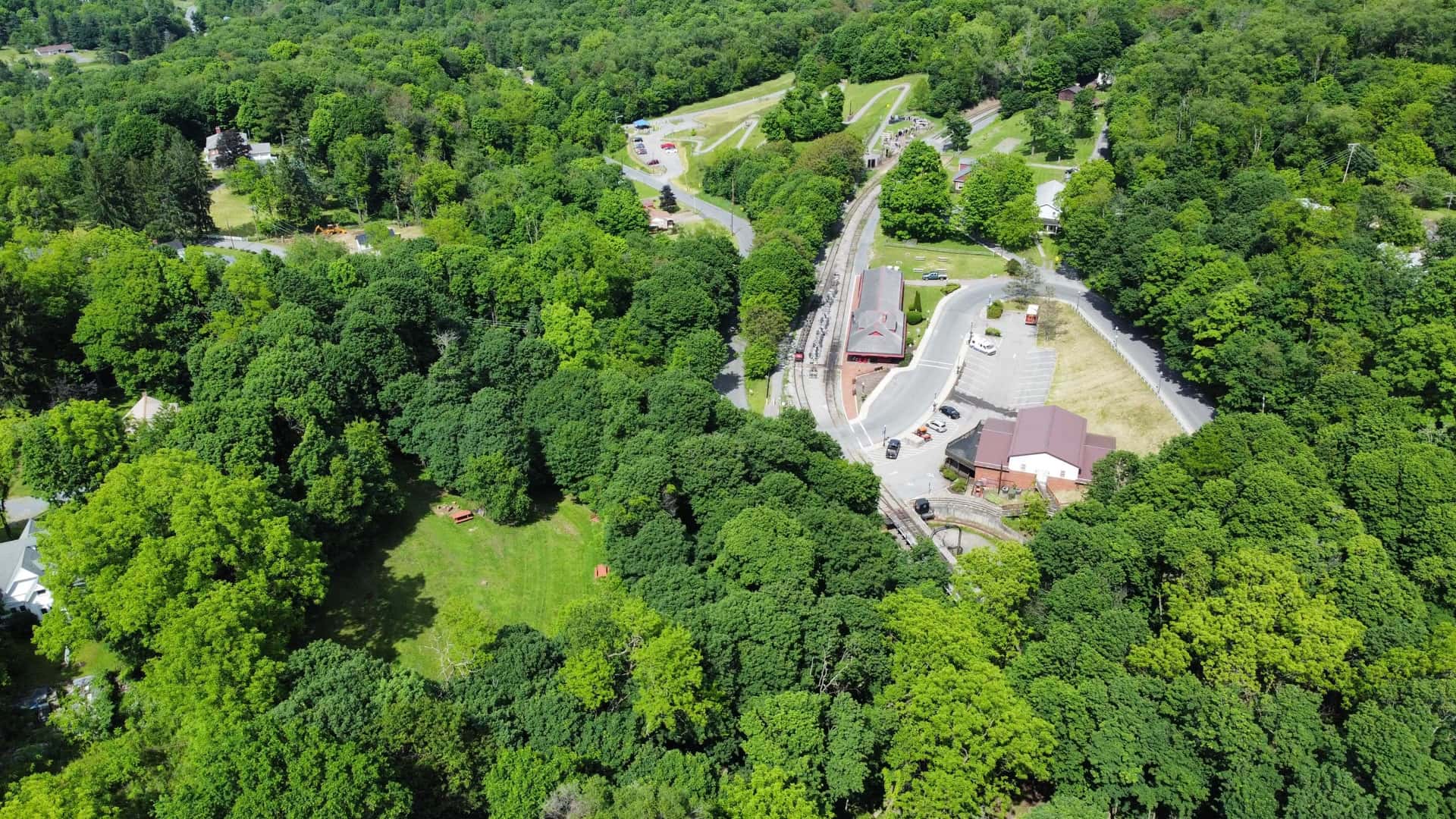
The classic mistake is treating the mountain as something to get past. The stretch over the Divide is the scenic high point of the entire 334.5 miles, and Frostburg — perched on the descent, 16 trail miles before Cumberland — is where riders sleep to enjoy it rather than blur through it. Our inn has stood beside these rails since 1888, close enough to the Passage that the walk from trail to door takes about a minute.
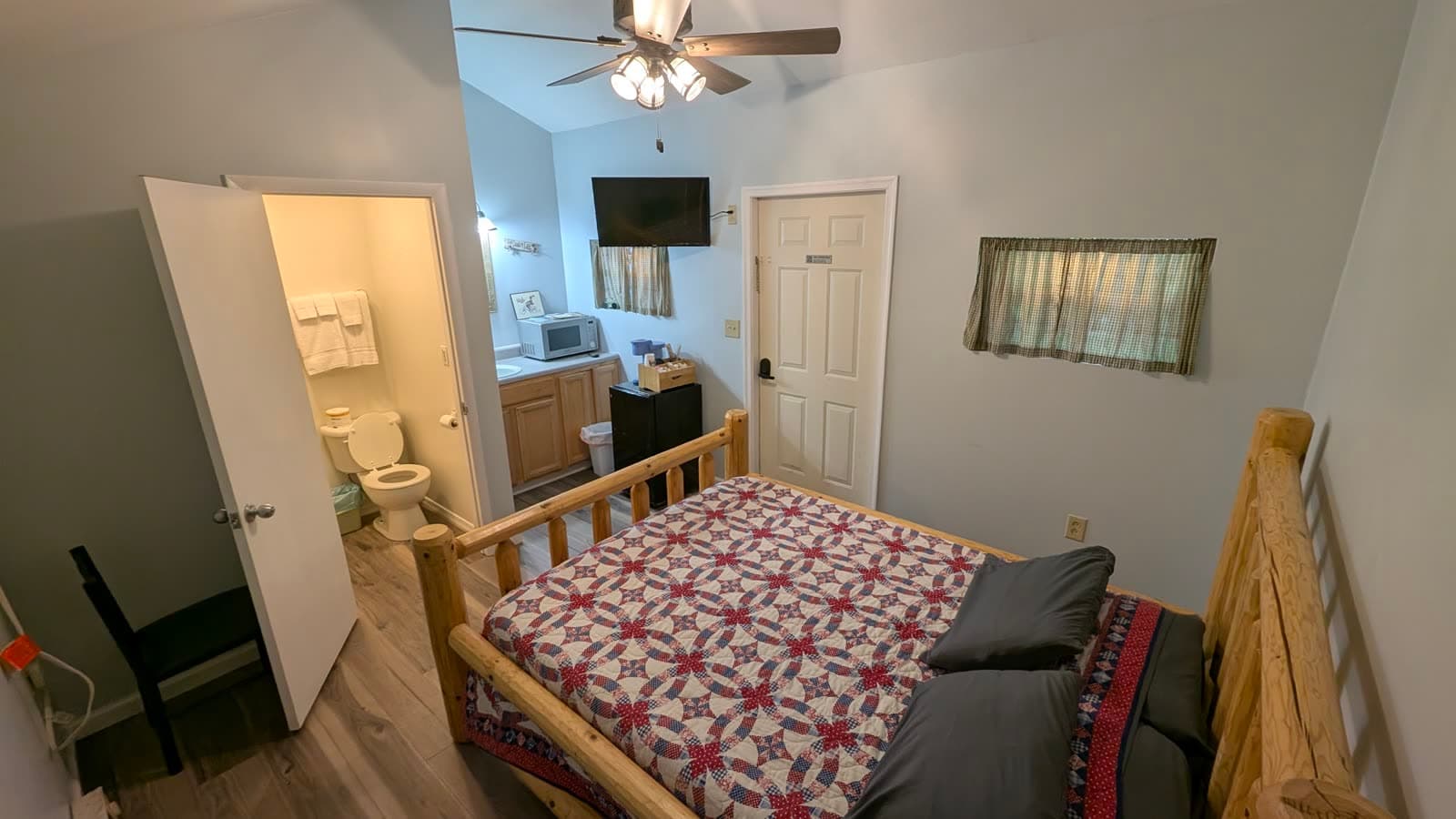
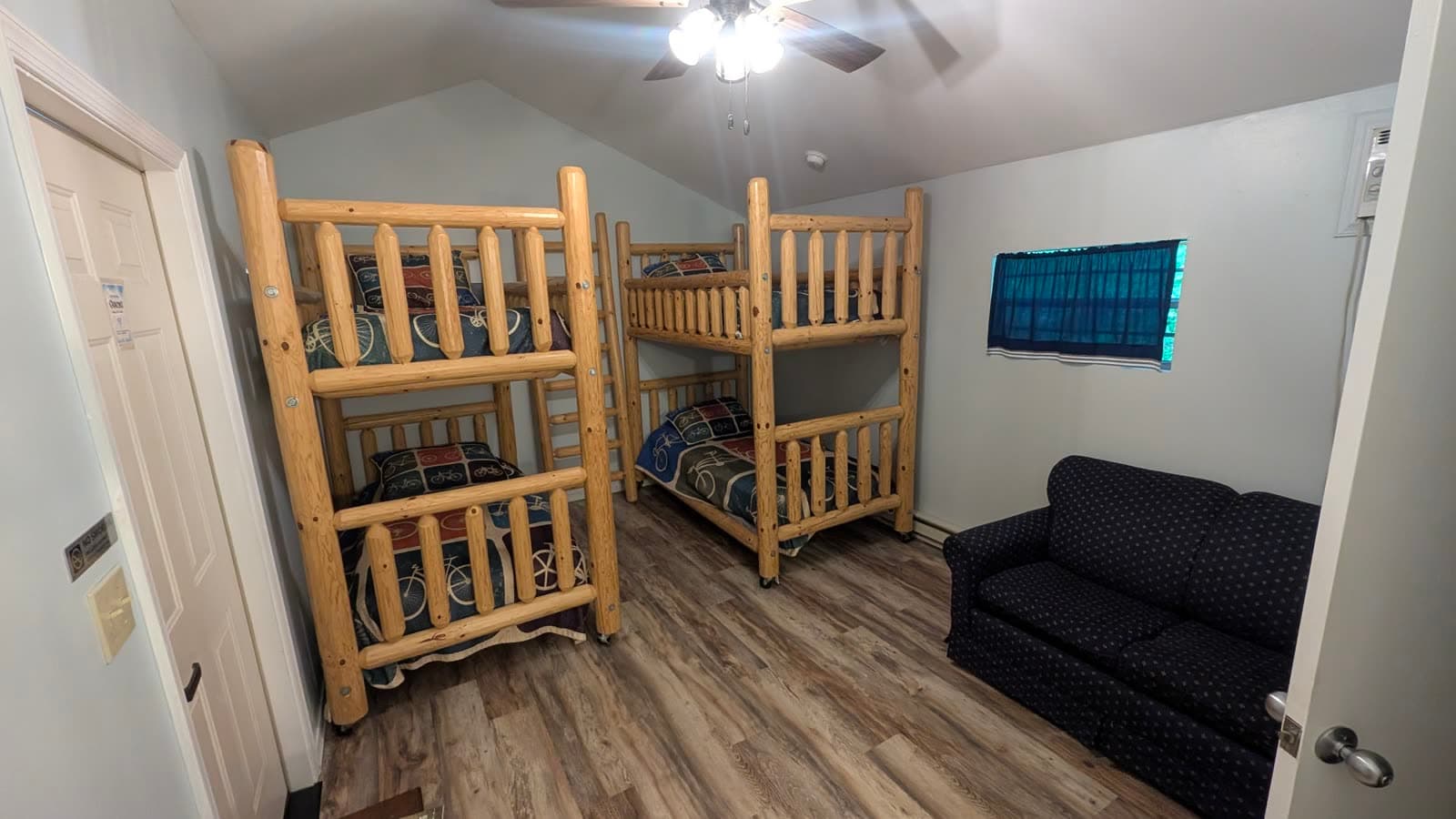
A night here means a hot dinner and local beer on the GAP Deck overlooking the trailhead, breakfast and packed trail sandwiches from the Trail Inn Cafe charged straight to your room, and a fresh start on the best descent of the trip. Queen rooms begin at $79.79 nightly — Maryland requires that advertised rate to include the 14% lodging tax, so that's the true price — and bunk rooms handle whole crews.
Logistics That Make or Break the Trip
Getting back to your car is the puzzle people solve last and should solve first — options range from Amtrak (verify current bike service before counting on it) to regional shuttles, covered in depth at tunnelhotel.com/blog/gap-trail-shuttle-guide. Season matters too: the Big Savage Tunnel closes for winter, typically from late November until early April, which effectively bookends the thru-riding calendar. Check its status before any cold-season attempt.
Book your beds before you clip in. Trail-town lodging is finite, fall weekends sell out, and a thru-ride schedule with no confirmed mountain bed has a way of ending in a damp tent. The deeper day-by-day version of this plan lives at tunnelhotel.com/pittsburgh-to-dc-bike-trip.
Lock In the Mountain Night First
Build the itinerary backward from the bed that matters most: the one on the mountain. Reserve your Frostburg night at tunnelhotel.com/book — booking direct costs nothing extra and takes Stripe-secured payment — then fill in the rest of the route around it. The other 318 miles are easier to improvise than the summit stretch is.