Gear, minus the excess
The GAP Trail Camping Gear List
Every ounce you strap to a bike gets pedaled 150 miles. Here's the kit that earns its weight on a Great Allegheny Passage camping trip — and the pile you should leave in the garage.
Camping & Outdoors · 6 min read ·
Why GAP Camping Rewards a Small Kit
Pack for the trail you're actually riding, not the one in your imagination. The Great Allegheny Passage passes through towns often enough that food, coffee, and repairs are never a full day away, which makes it fundamentally different from wilderness bikepacking routes. On the GAP, carrying a week of provisions isn't preparedness — it's ballast.
The practical consequence: your gear list splits into two categories. Sleep-and-shelter gear you genuinely cannot buy mid-ride, and everything else, which trail towns will happily sell you when you need it. Spend your weight budget on the first category and let the second stay skeletal. A credit card weighs nothing and solves nearly everything.
Shelter and Sleep: The Non-Negotiables
This is the gear that decides whether day two feels like an adventure or a punishment. Skimp anywhere else first.
- A tent you have pitched at least once at home — a campground after 40 limestone miles is a terrible classroom.
- A sleeping pad; the ground at elevation pulls heat out of you faster than the air does.
- A sleeping bag warm enough for mountain nights, which typically run cooler than the valley towns you passed through at noon.
- A small ground cloth or footprint to keep the tent floor dry and intact.
- A stuff sack of spare clothes doubling as a pillow.
The Camp Kitchen You Can Mostly Skip
Here's the heretical part of this list: on the GAP, the stove is optional. Trail towns feed you breakfast and dinner, and at our campground in Frostburg the argument gets even stronger — the Trail Inn Cafe sits on the property, and a pickup order placed at tunnelhotel.com/order turns "camp dinner" into wood-fired pizza eaten at your tent.
If you love your morning ritual, bring a tiny stove and a mug for trail coffee, and stop there. Snacks, a water reservoir or bottles, and electrolyte tabs cover the riding hours between towns. That's the whole kitchen. The riders you'll pass with clanking pot sets are learning a lesson you already know.
Clothing and Rain Gear for the Alleghenies
Mountain weather moves fast, and the crushed limestone surface throws grit and spray when wet. Dress for the day you might get, not the forecast you hoped for.
- One riding kit and one dry camp outfit — you don't need a third of either.
- A genuine rain jacket, not a windbreaker doing an impression of one.
- A warm layer for evenings; high-country air cools quickly once the sun drops behind the ridge.
- Gloves and a buff — cheap insurance against cold descents.
- Camp shoes light enough to forget until you desperately want them.
Bike-Side Gear and the Tunnel Question
Your repair kit should handle the routine failures: spare tube, patches, mini pump, multi-tool, chain lube, and a couple of zip ties, because zip ties fix things engineers never intended. Wider tires suit the limestone; if your bike is marginal, geared rentals from Tracks & Yaks next door to the hotel run $25 for two hours or $40 for a full day.
Bring real lights, not phone flashlights. The GAP passes through tunnels — the Big Savage Tunnel stretches roughly 3,300 feet — and a good front light matters inside them. Note that Big Savage closes for winter, typically from late November into early April, so check its status before any cold-season trip.
What to Leave Home
Every veteran GAP camper has a story about the item they hauled the whole way and never touched. Skip the campfire cookware and anything that assumes amenities a primitive campground may not have — when in doubt about what's available at our sites, the answer lives at 240-730-4064, not in your assumptions.
- Full-size toiletries — travel sizes exist for a reason.
- A laptop; the trail is the point.
- More than two days of food, anywhere on the route.
- Cotton everything — it soaks, chills, and never dries.
- The "just in case" duffel; the trail towns are your just-in-case.
Put the Light Kit to Work
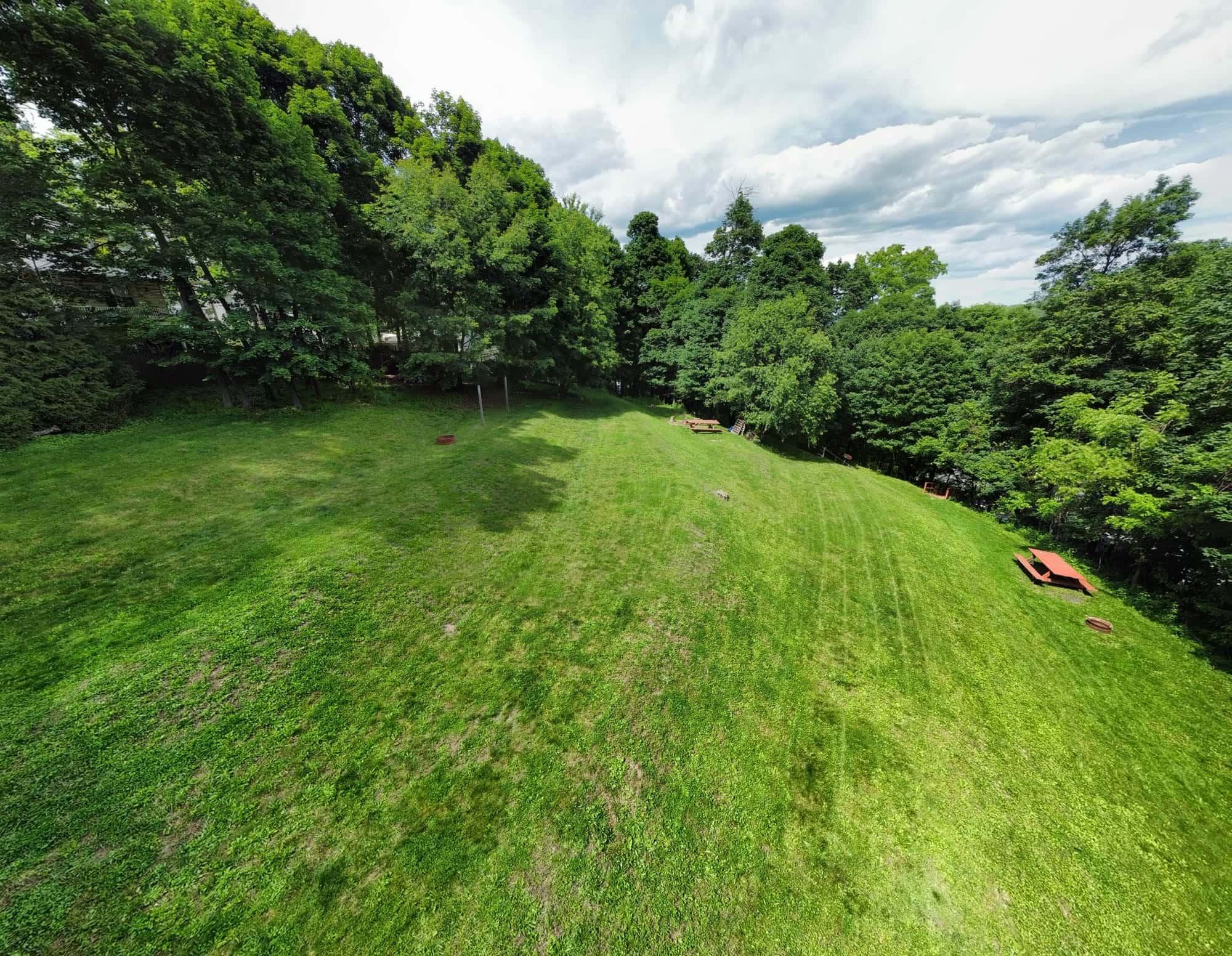
A lean setup deserves a destination that rewards it. Our primitive tent sites in Frostburg cost $17.10 a person per night with tax in the number, and the site-to-trail commute is 300 yards. The full camping picture — who it suits, what to expect — lives at tunnelhotel.com/gap-trail-camping, and when the packing is done, the reservation takes two minutes at tunnelhotel.com/book.
Beds 300 yards off the trail
All rooms & camping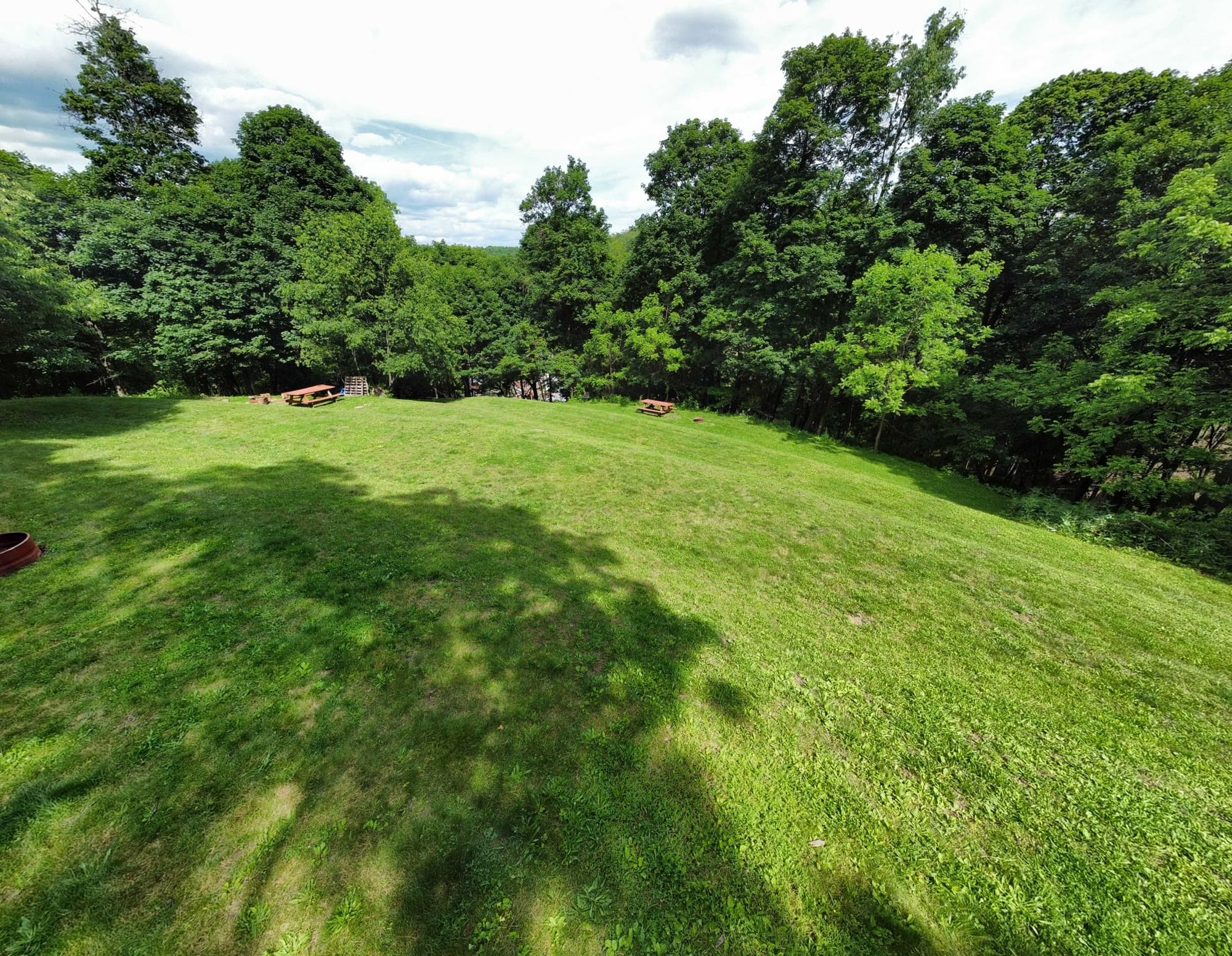
Tracks & Yaks, right next door
All experiences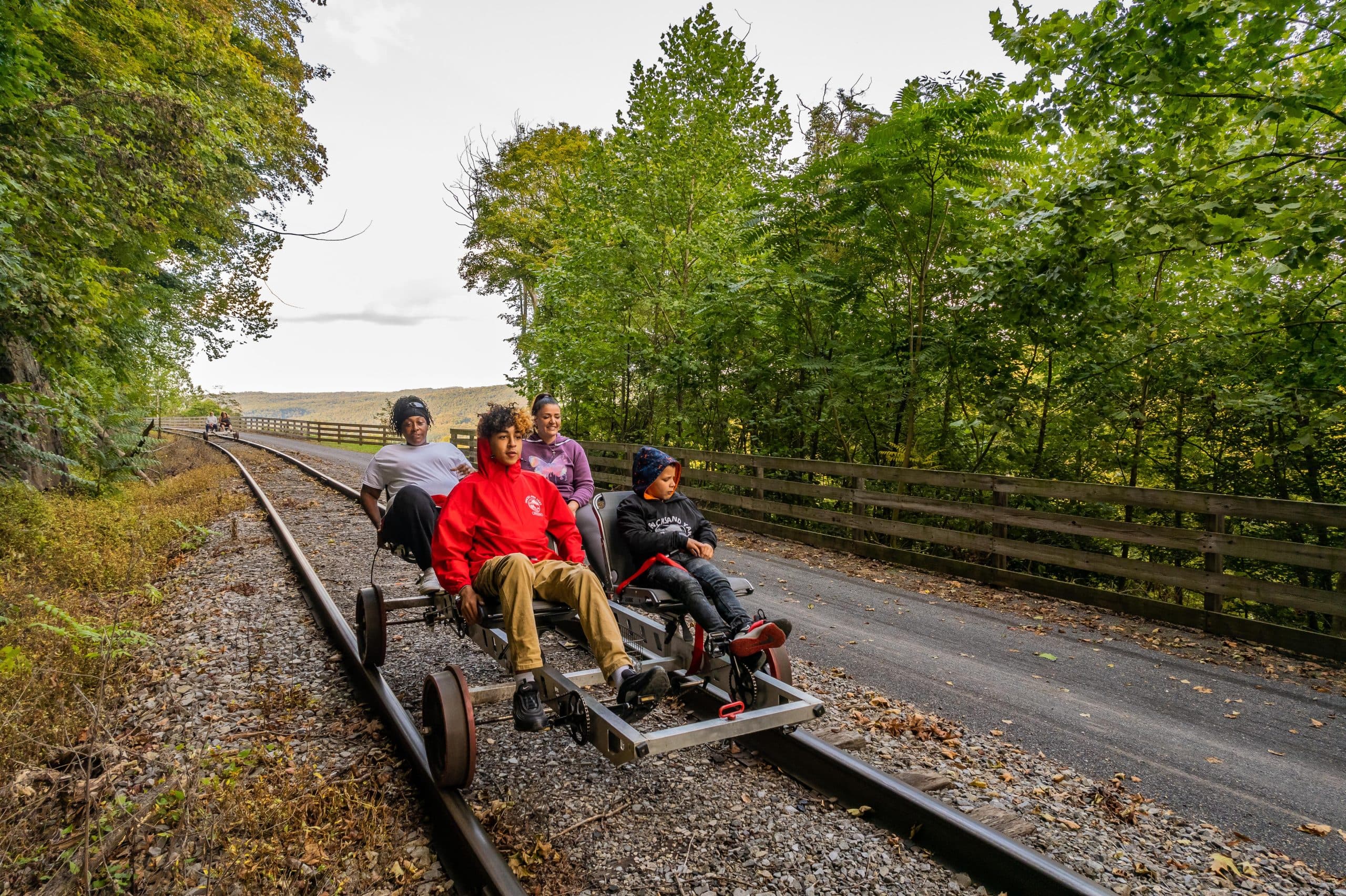
Geared Bicycle Rental — 2 Hour
A geared bicycle for two hours on the Great Allegheny Passage — go at your own pace.
from $25
Details →Geared Bicycle Rental — Full Day
A geared bicycle for the full day — explore the GAP from Frostburg in either direction.
from $40
Details →Questions, answered straight
Do I need a camp stove for the GAP trail?
Usually not. The Great Allegheny Passage runs through trail towns frequently enough that most campers buy hot meals rather than cook them. At The Tunnel Hotel's campground in Frostburg, MD, the on-site Trail Inn Cafe offers pickup ordering at tunnelhotel.com/order, so tent campers can eat hot breakfast and dinner with no stove, fuel, or cookware at all.
What tires work best for camping trips on the GAP?
The GAP's surface is crushed limestone, so wider tires ride more comfortably and predictably than narrow road slicks, especially on a loaded bike. Most touring, gravel, hybrid, and mountain bike tires handle it well. If your own bike isn't suited, Tracks & Yaks at 19 Depot St in Frostburg rents geared bicycles for $25 per two hours or $40 per day.
How cold does it get camping near Frostburg, MD?
Frostburg sits high in the Alleghenies near the Eastern Continental Divide, and nights at elevation typically run noticeably cooler than daytime valley temperatures along the lower GAP. Campers should pack a sleeping pad, a bag rated for cool mountain nights, and a warm evening layer even in summer. Check the mountain forecast, not the Cumberland forecast, before your trip.
Where can I camp on the GAP near the Eastern Continental Divide?
The Tunnel Hotel in Frostburg, Maryland offers primitive tent camping at $17.10 per person per night, tax included, with 20-plus sites including an ADA-accessible option. The campground is 300 yards from the Great Allegheny Passage and roughly 16 trail miles up the grade from Cumberland, making it a natural overnight before or after the summit.
Do I need lights for the GAP trail tunnels?
Yes — bring a real front light. The GAP passes through several tunnels, including the Big Savage Tunnel at roughly 3,300 feet long, where a light makes the ride safer and far more comfortable. Big Savage typically closes for winter from late November to early April, so verify it's open before planning a cold-season camping trip.