Fast and light
Riding the GAP Trail in 3 Days
Fifty-mile days on crushed limestone are real work. Done right, a three-day GAP ride is one of the great compressed adventures in the East — done wrong, it is a sufferfest. This is how to do it right.
GAP Trail · 5 min read ·
Who a 3-Day GAP Ride Actually Suits
Be honest with yourself before committing. Averaging 50 miles a day on a limestone surface — which rides slower than pavement — with luggage, for three consecutive days, asks for a genuine cycling base. If you regularly ride 40-plus miles on weekends, or you have toured before, or you are on an e-bike, the three-day plan will feel athletic and satisfying. If your longest recent ride is 20 miles, take four or five days instead and enjoy them.
The riders who love this pace share one trait: they would rather be pleasantly wrecked at dinner than bored at lunch. If that is you, read on. If not, our tunnelhotel.com/blog/gap-trail-4-day-itinerary spreads the same route across a gentler frame.
The Two Ways to Split 150 Miles
An even split puts roughly 50 miles on each day, which parks your second night below the summit and saves the entire climb-plus-descent for day three. It looks tidy on paper, but it stacks the hardest terrain onto your most tired legs.
The front-loaded split is smarter. Push closer to 65 or 67 miles on days one and two — while the grade is at its gentlest — so night two lands in Frostburg, about 16 trail miles from the Cumberland finish and just below the Eastern Continental Divide. Day three then opens with a short push over the top and turns into a long coast. You trade two big flat days for a victory-lap finish, and you sleep at elevation with the hard part behind you.
Days One and Two: Ride the Gentle Miles Hard
The western two-thirds of the GAP is where speed is cheap. The old railroad alignment climbs so faintly through the river valleys that strong riders hold touring pace for hours, and trail towns appear often enough that you never carry more than a snack and two bottles. Start early, keep stops short, and bank your distance before mid-afternoon heat or shadows arrive.
Fifty-plus-mile days punish poor logistics more than poor fitness. Know where your food stops are before you roll, refill water at every chance, and get off the saddle for five minutes every hour. Loaded panniers on limestone add real drag — budget your moving speed at three-quarters of your road pace and you will land your estimates.
Night Two: Sleep in Frostburg, Above the Descent
Frostburg is where the front-loaded plan pays off. Our inn has stood beside these rails since 1888, and the trail passes 300 yards from the porch — close enough that riders coast in, punch a door code, and are eating within the half hour. The Trail Inn Cafe on site handles dinner and a hot breakfast, both chargeable to the room, and the GAP Deck pours local beer over a view of the trailhead treeline. A queen runs from $79.79 all-in, and since check-in never closes, a slower-than-planned day two is a non-event.
One tip that separates smooth trips from scrambles: order tomorrow's trail lunch at tunnelhotel.com/order before you fall asleep, and pick it up with your coffee.
Day Three: Over the Top and Down
Day three starts with the only sustained climbing left — a steady, never-steep grind from Frostburg up past the Mason-Dixon Line, through the Big Savage Tunnel (check its status outside of the warm season; it shuts for winter), and over the Eastern Continental Divide. From the Divide, gravity takes over. The trail pours downhill to Cumberland, through the Narrows, and delivers you to milepost 0 at Canal Place — where the C&O Towpath waits if 150 miles somehow was not enough.
Riders often clock this finale as their fastest miles of the trip. Save some attention for the scenery on the way down; it is the stretch people cross the country to ride.
Lock In the Summit Night
A three-day itinerary lives or dies on its two beds, and the Frostburg one matters most — it positions the descent exactly where you want it. Direct booking at tunnelhotel.com/book skips the online-booking-fee tax, checkout at 11 AM gives you time for a real breakfast, and if training does not go to plan, rebooking is free at 48 hours out. Three days, one mountain, zero regrets.
Beds 300 yards off the trail
All rooms & camping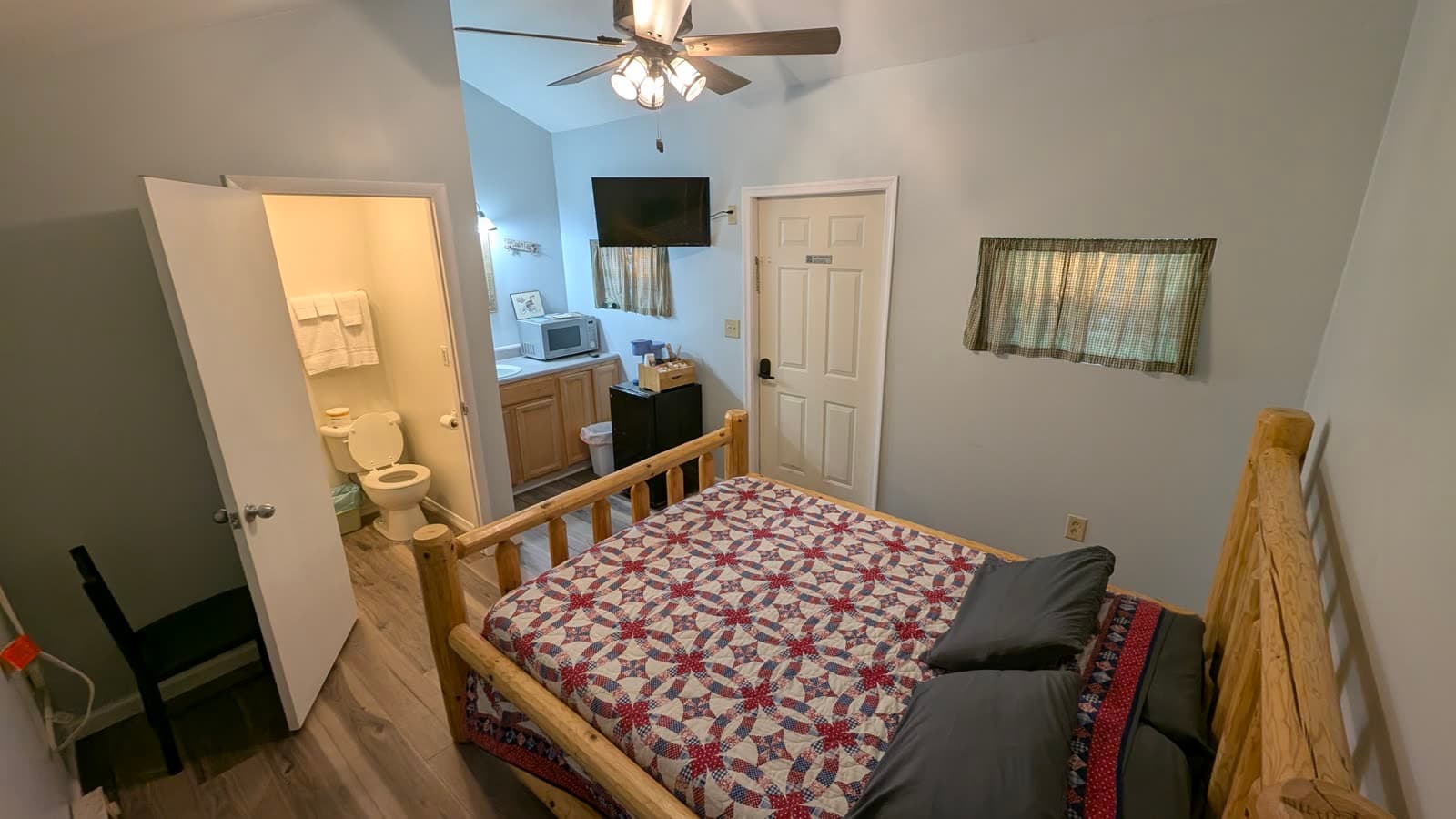
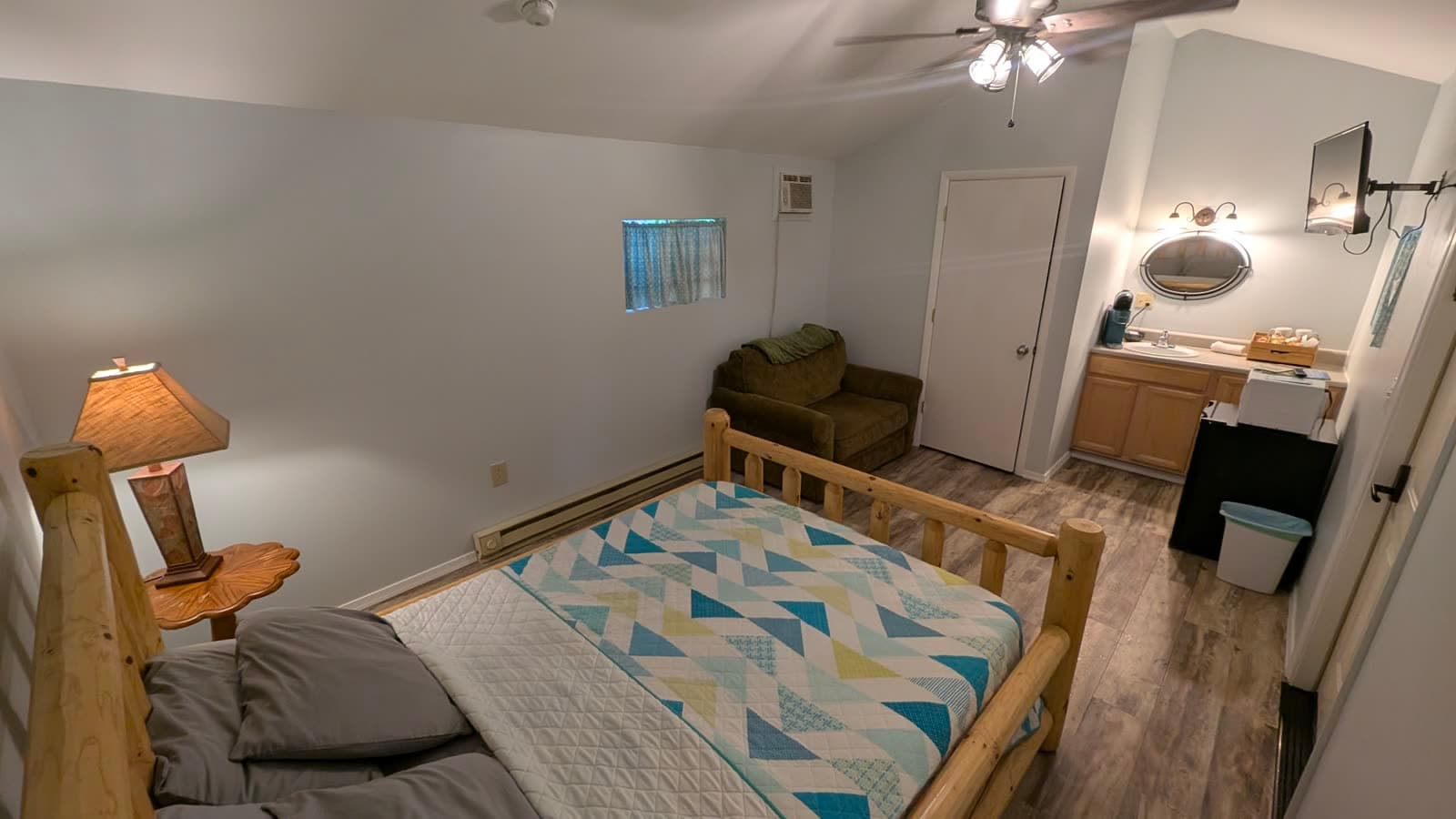
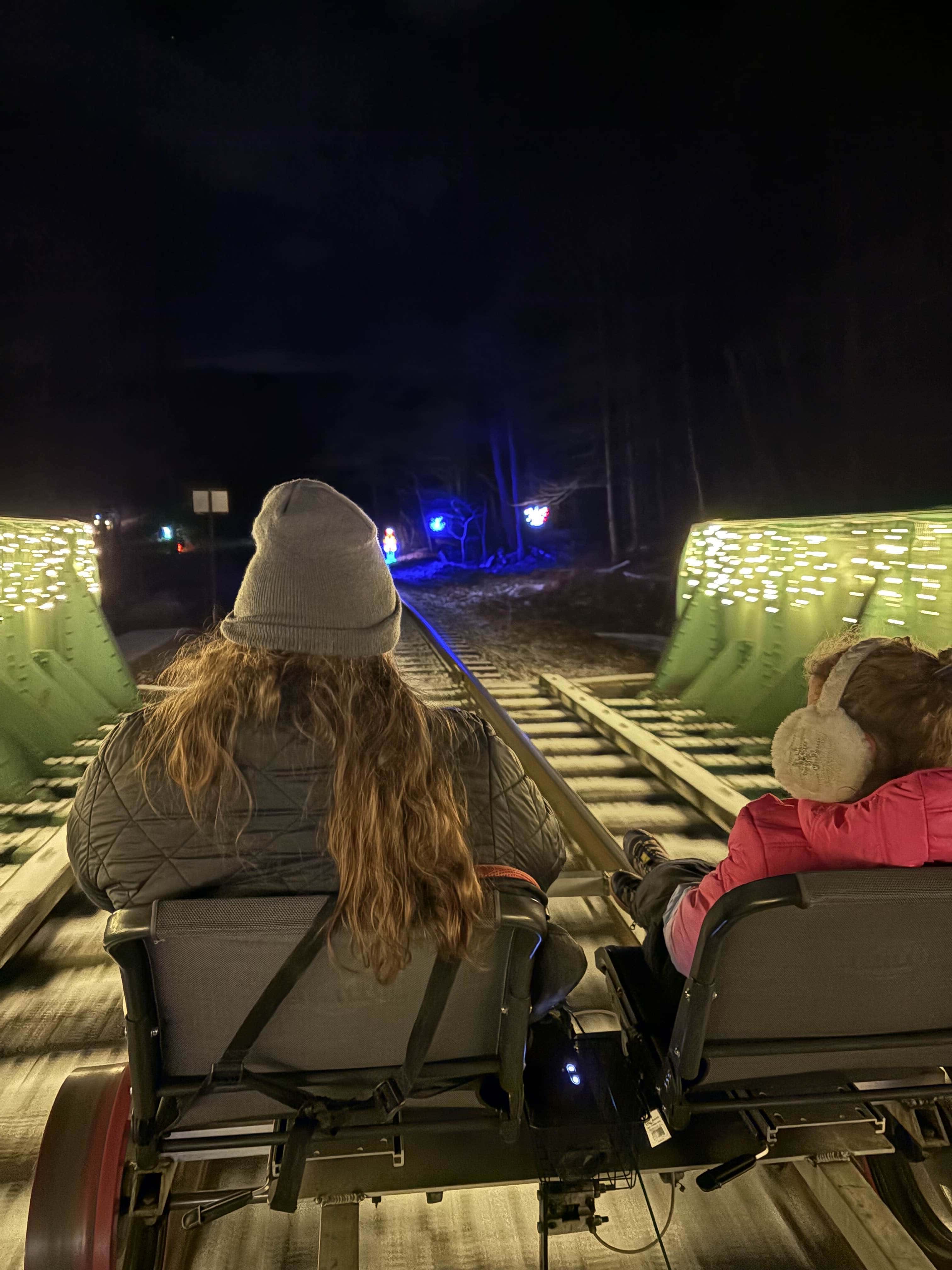
Tracks & Yaks, right next door
All experiences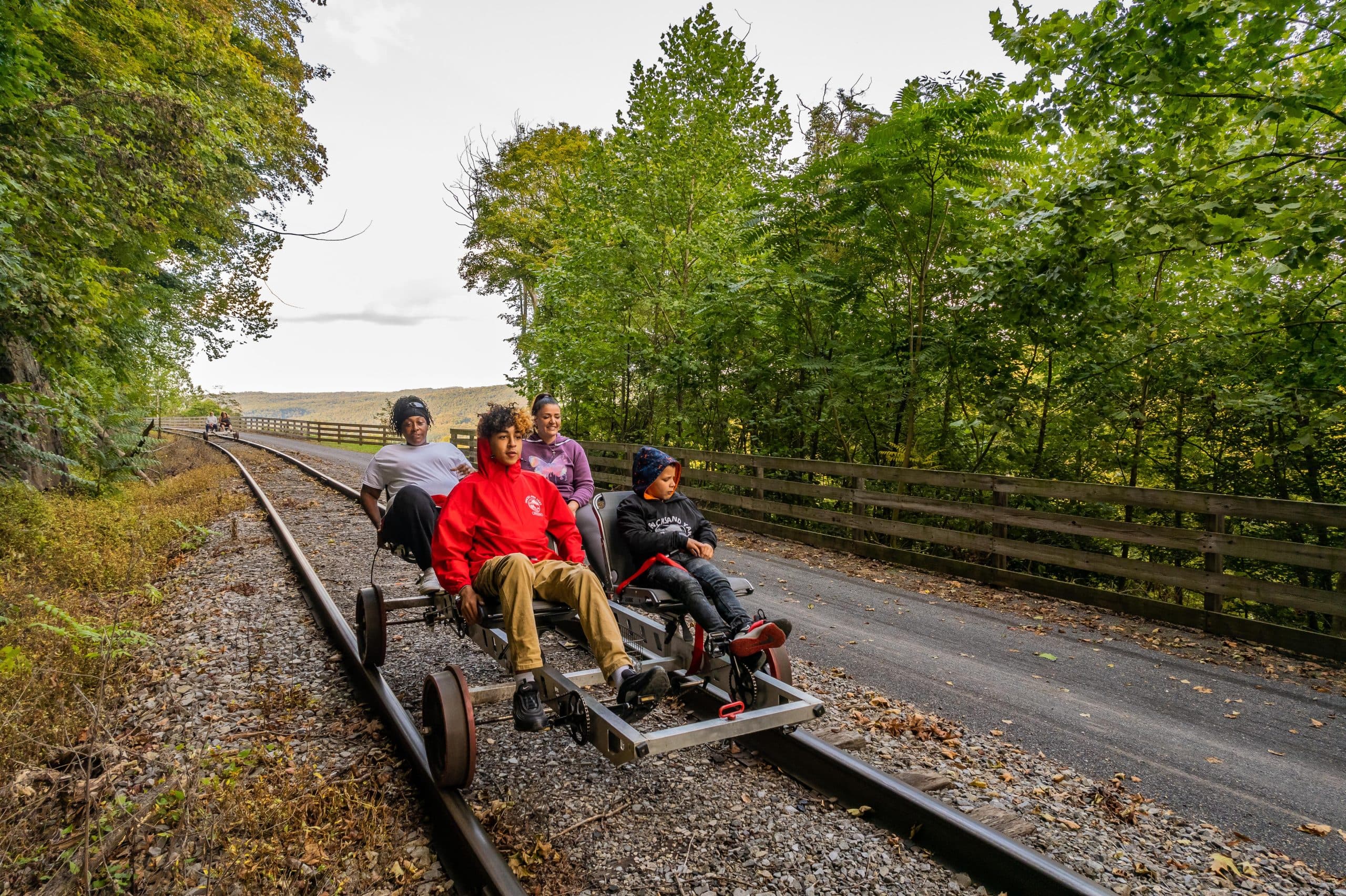
Geared Bicycle Rental — Full Day
A geared bicycle for the full day — explore the GAP from Frostburg in either direction.
from $40
Details →
The Great Deal Passenger Shuttle
A 25-mile point-to-point shuttle so you can ride the GAP one way. Bring your own bike or add a GAP rental.
from $39
Details →Questions, answered straight
Can a normal cyclist ride the GAP Trail in 3 days?
A rider with a solid recreational base can. Three days on the 150-mile GAP means averaging about 50 miles daily on crushed limestone, which is slower rolling than pavement. If you comfortably ride 40+ miles on weekends or use an e-bike, the pace works; newer riders should plan four or five days.
Where should I sleep on a 3-day GAP Trail ride?
Front-load the miles so night two lands in Frostburg, Maryland — about 16 trail miles above Cumberland, just below the Eastern Continental Divide. The Tunnel Hotel (20 Depot St, est. 1888) sits 300 yards off the trail with queen rooms from $79.79 tax included and check-in available at any hour.
How hard is the last day from Frostburg to Cumberland?
It is the easiest riding of the trip. After a short, steady climb from Frostburg over the Eastern Continental Divide, the trail descends essentially all the way into Cumberland. The final 16 trail miles from Frostburg to milepost 0 are largely coasting — most riders finish before lunch.
Does the Big Savage Tunnel closure affect a 3-day GAP ride?
No. The Big Savage Tunnel — roughly 3,300 feet long, near the GAP's summit — closes for winter, typically from late November until early April. A three-day thru-ride only works while it is open, so check the current tunnel status before booking any shoulder-season or cold-weather trip.