Assist welcome
The E-Bike Guide to the Great Allegheny Passage
An e-bike turns the GAP's one real obstacle — the long grind to the Eastern Continental Divide — into a non-issue. The catch is that batteries need plans, and plans need outlets.
GAP Trail · 6 min read ·
Why the GAP Is Ideal E-Bike Country
Rail-trails and e-bikes were made for each other, and the GAP proves it. Because the route follows old railroad alignments, its grades stay shallow for all 150 miles — which means an e-bike motor is never fighting a wall, just quietly erasing the drag of crushed limestone and the slow accumulation of a mountain climb. Assist stretches further here than on hilly road routes, and eco mode is genuinely usable all day.
The bigger win is social. E-assist lets a strong rider and a casual rider — or a parent and a teenager, or a cyclist and a spouse who was talked into this — share the same trip at the same pace. Mixed-ability groups that would splinter on a road tour stay together on the GAP.
Check the Rules Before You Assume
The GAP crosses jurisdictions, and e-bike policy is set segment by segment — class restrictions, motor limits, and local ordinances can differ along the route and do change. Most pedal-assist riders tour the trail without issue, but we will not pretend to be the authority: check current trail policies for each section you plan to ride, and note that the C&O Canal Towpath beyond Cumberland is federally managed and follows its own rules. Throttle-heavy setups deserve extra homework.
Range Planning: Think in Towns, Not Miles
Manufacturer range claims assume flat pavement and light riders — the GAP gives you limestone, luggage, and a long westside-to-summit climb, all of which eat watt-hours. The safe approach is to plan around trail towns the way self-supported riders plan around water: know where your next outlet is, arrive with margin, and treat a cafe lunch as a partial top-up opportunity where an outlet is offered.
Budget conservatively on climb days. The sustained grade up to the Eastern Continental Divide draws more battery than an equal distance in the valleys, and cool mountain mornings trim capacity further. Riders who flip to higher assist late in a climbing day are the ones who finish on a dead battery — hold a reserve, and remember an unpowered e-bike is simply a heavy bike, not a stranded one.
Charging Overnight at Trail Lodging
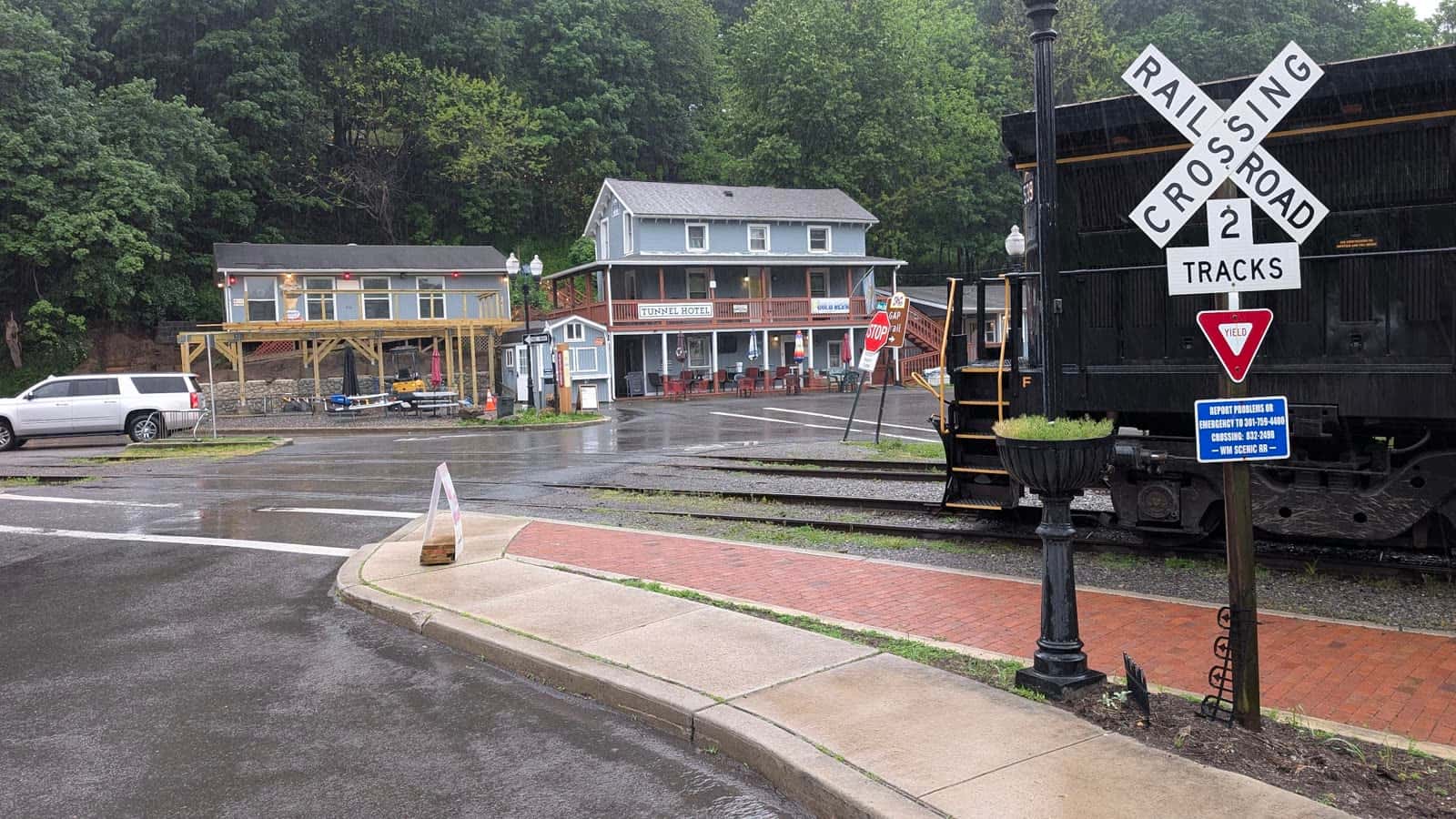
Overnight charging is the backbone of a multi-day e-bike tour, so pick lodging where it is easy. Bring your own charger — outfitters and inns do not stock every brand's brick — and charge the battery in your room rather than leaving it on the bike. At The Tunnel Hotel in Frostburg, every room has outlets where a battery can drink all night, and our contactless setup means you can roll in late off the trail, get your code by SMS, and be charging within minutes of arrival.
Frostburg makes particular sense as an e-bike overnight because of what surrounds the sleep: the inn sits about 16 trail miles up the grade from Cumberland, so eastbound riders top off before the summit push and westbound riders recharge after their biggest climbing day. Rooms and details at tunnelhotel.com/frostburg-md-hotel.
The E-Bike Day Trip Version
Not ready to commit a battery to 150 miles? The summit section works beautifully as an e-bike day ride. Base in Frostburg, ride up over the Mason-Dixon Line and through the Big Savage Tunnel to the Divide (confirm the tunnel is open — it closes for the winter months), then let the descent to Cumberland hand your battery a rest. The Bike Train hauls you and the bike back up the mountain for $45–49, no assist required.
No e-bike of your own? Tracks & Yaks next door rents geared conventional bikes — $25 covers two hours, $40 covers the day — and honestly, the grades here are gentle enough that analog works fine for a day ride.
Plug In, Then Push Off
The GAP rewards e-bike riders more than almost any long trail in the country: forgiving grades, towns at charging distance, and a summit that assist makes friendly. Sort your battery plan, verify the segment rules, and reserve the outlet — your room with one is at tunnelhotel.com/book, queens from $79.79 with the lodging tax already counted.
Beds 300 yards off the trail
All rooms & camping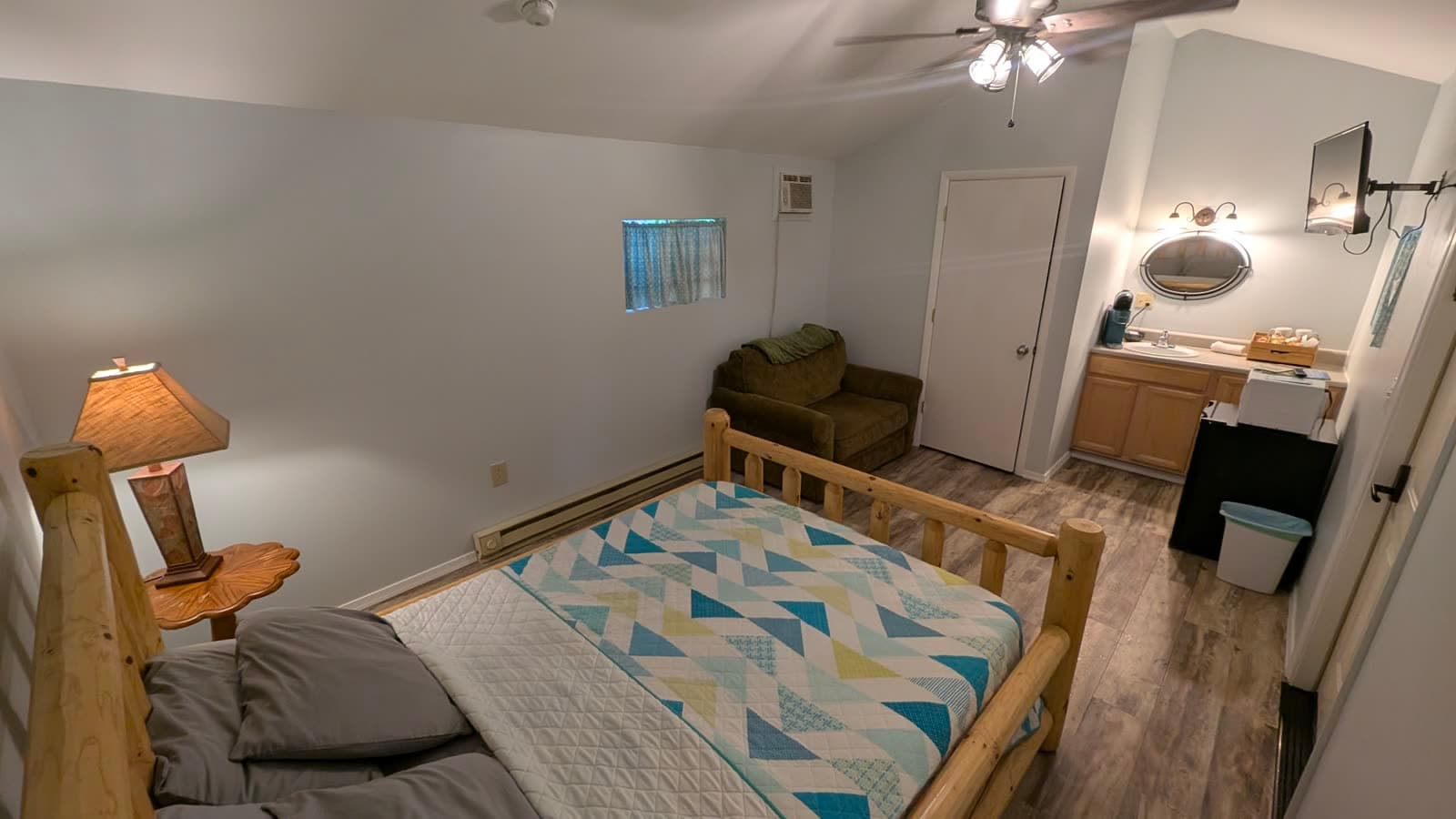
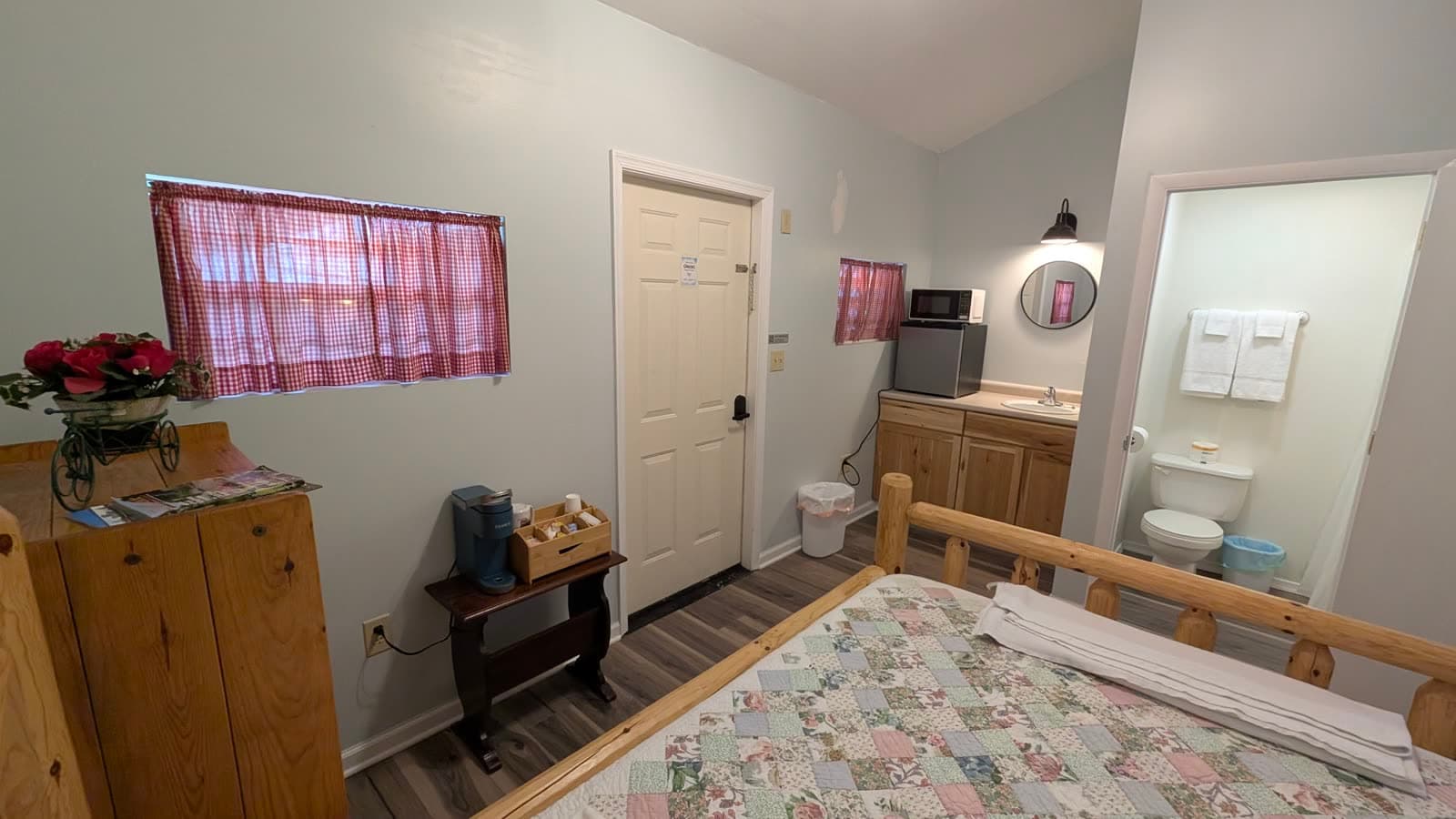
Tracks & Yaks, right next door
All experiences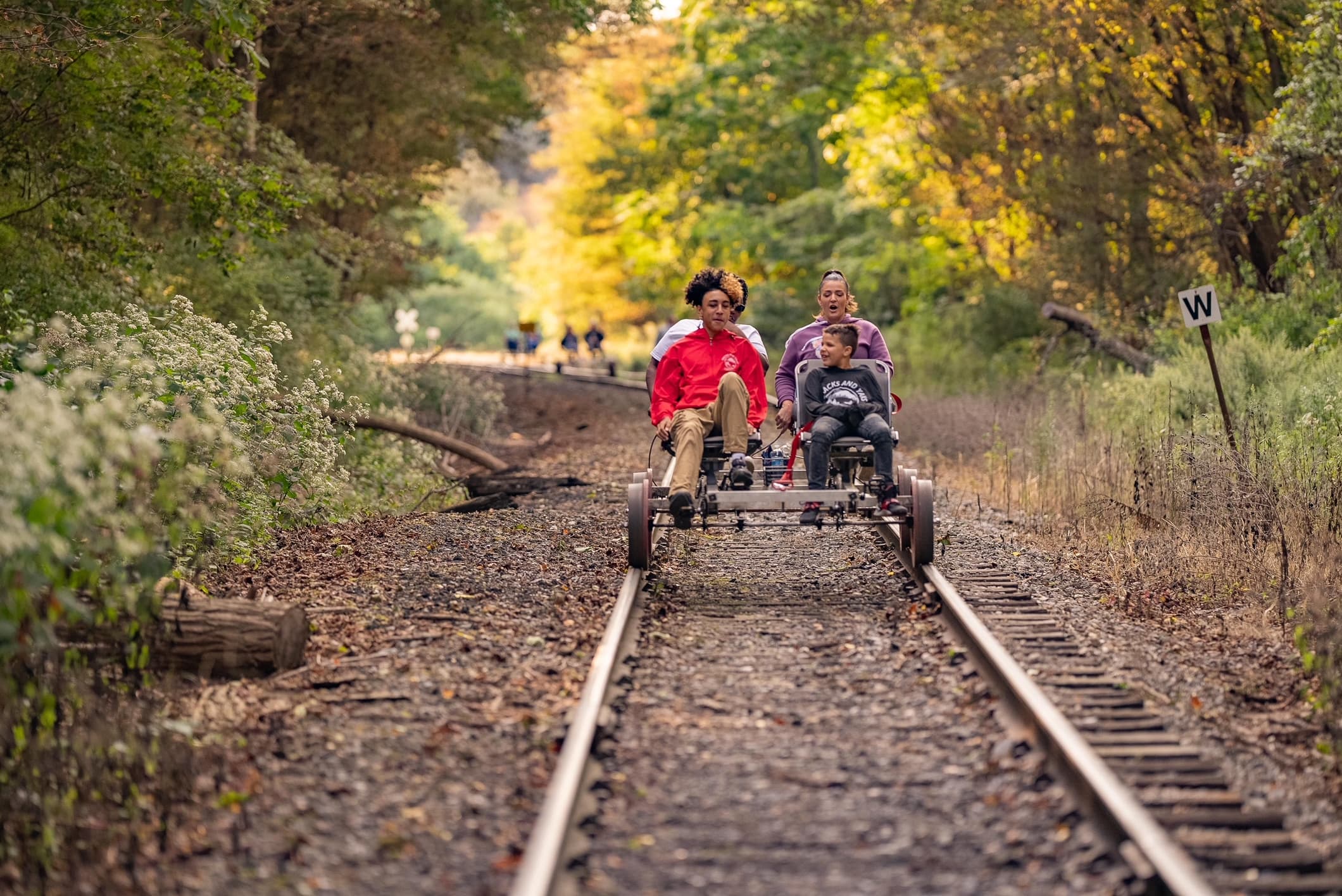
Bike Train (Cumberland → Frostburg)
Load your bike on the train up to Frostburg, then ride the GAP back down. Bring your own bike or add a GAP rental.
from $45
Details →
Geared Bicycle Rental — 2 Hour
A geared bicycle for two hours on the Great Allegheny Passage — go at your own pace.
from $25
Details →Questions, answered straight
Are e-bikes allowed on the GAP Trail?
Pedal-assist e-bikes are widely ridden on the GAP, but rules are set by the individual jurisdictions the trail crosses and can vary by segment and e-bike class. Check current trail policies for the sections you plan to ride, and check separately for the C&O Canal Towpath, which is federally managed with its own regulations.
Can an e-bike battery handle a full day on the GAP Trail?
Usually, with planning. Crushed limestone, luggage, and the long climb to the Eastern Continental Divide all drain batteries faster than flat pavement, so real-world range runs below manufacturer claims. Ride in eco mode, hold a reserve for the climb, and plan each day to end at lodging where you can charge overnight.
Where can I charge my e-bike overnight on the GAP Trail?
At trail lodging in the towns. In Frostburg, Maryland — about 16 trail miles up from Cumberland — The Tunnel Hotel at 20 Depot St has in-room outlets for overnight battery charging, rooms from $79.79 a night with tax included, and 24-hour contactless check-in. Bring your own charger; inns do not stock brand-specific chargers.
Is the GAP Trail's climb hard on an e-bike?
No — this is exactly what assist is for. The grade to the Eastern Continental Divide is never steep, just persistent, and a mid-level assist setting flattens it entirely. Expect the climb to use noticeably more battery than valley miles, so top off in Frostburg before the summit if you are riding toward Pittsburgh.