Look up
Stargazing in the Allegheny Mountains
When the depot goes quiet and the last porch light clicks off, the mountain sky over Frostburg starts its second shift. A sleeping bag is the only ticket required.
Camping & Outdoors · 5 min read ·
What Mountain Skies Give You
City dwellers forget the sky has depth. Spend a night in the high Alleghenies and it comes back fast: more stars than you can track, planets bright enough to mistake for aircraft, and on the right moonless night, texture in the sky where a suburb shows only gray. Frostburg sits near the summit of the Great Allegheny Passage's long grade, and small mountain towns simply throw less light upward than the metro areas most of our guests drive in from.
We won't dress that up with darkness ratings or certification claims — we haven't measured, and honest hosts don't guess. What we can say from many evenings on the property: guests regularly step out of the cafe, look up, and stop mid-sentence. The sky here does its own marketing.
Why Elevation Typically Helps
Altitude stacks the deck for stargazers in two quiet ways. First, mountain air typically runs cooler and drier at night than the valleys below, and drier air means less atmospheric murk between your eyes and the stars — clarity you can often feel the moment the sun drops. Second, you're physically above some of the haze that pools in lowland river valleys on humid summer nights.
Neither effect is guaranteed on any given evening; weather owns the final vote, and mountain weather votes often. But across a season of nights, camping near the Eastern Continental Divide gives you meaningfully more clear-sky chances than the same season spent at valley elevation. Bring a warm layer either way — the same cool air that sharpens the stars will find your neck by ten o'clock.
Stargazing From the Campground
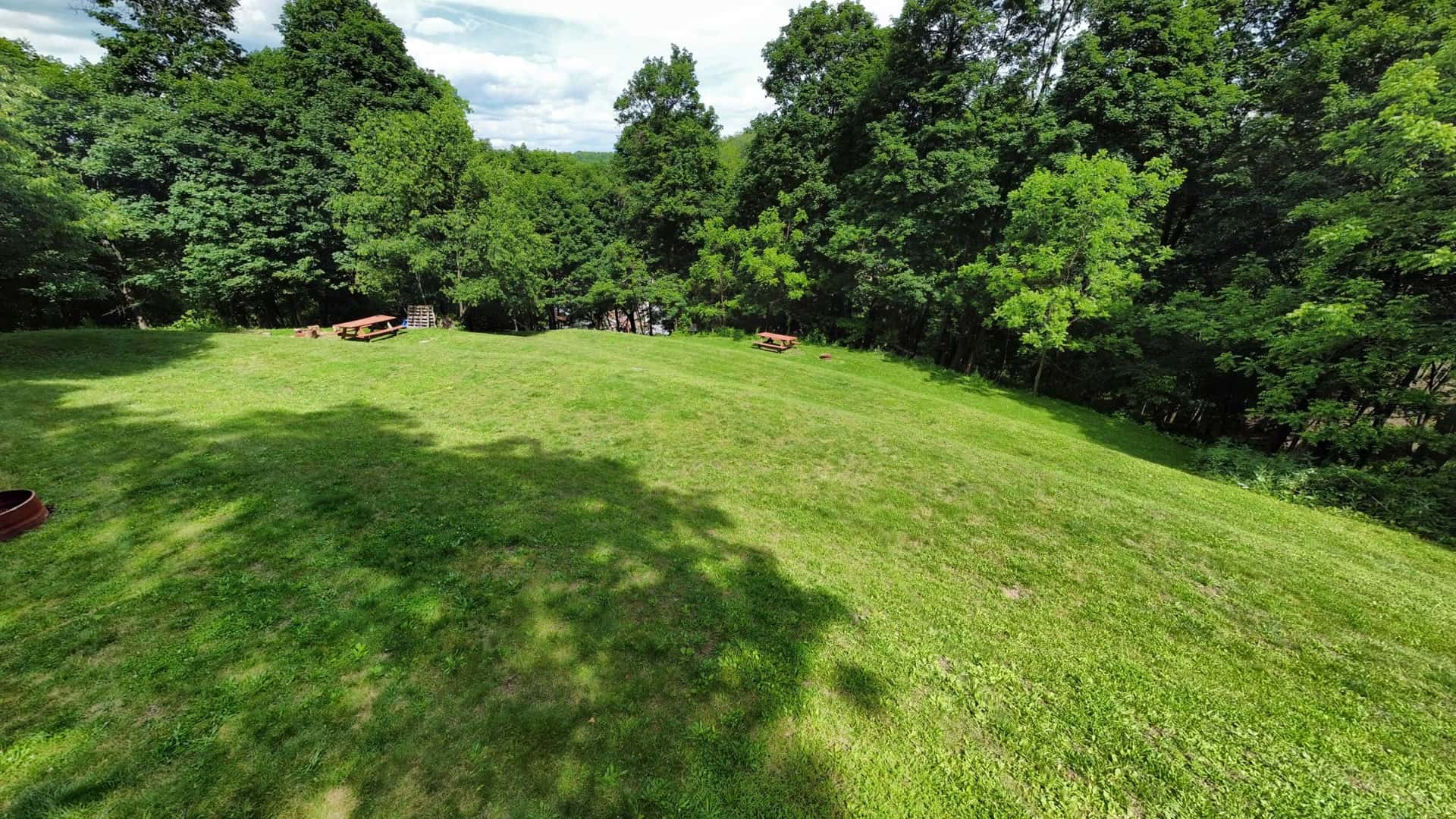
Our primitive tent sites make an effortless observatory: 20-plus sites at $17.10 per person a night with tax included, an ADA-accessible site among them, and no schedule between you and the sky. Pitch before sunset, let dinner come from the cafe, and settle in as the depot district dims around you.
Two practical tips improve the show. Walk to the darker edge of the campground, away from the inn's windows and any parked-car headlights, and give your eyes a full twenty minutes to adapt — dark adaptation is the cheapest telescope there is. Phone screens reset that clock instantly, so pocket the phone or turn it red-filtered and dim.
Timing the Sky: Moon, Season, and Weather
The moon is the variable most beginners overlook. A full moon washes out all but the brightest stars, so schedule star-focused nights near the new moon when you can — any calendar app will show the phases. Season matters less than sky conditions, though crisp, dry nights typically deliver the sharpest viewing, and the Alleghenies produce plenty of those in the shoulder months.
Meteor watchers get a bonus: the Perseid shower typically peaks in mid-August, one of the year's most reliable displays, and a mountain campground beats a backyard for it by a wide margin. Whatever night you choose, check the forecast for cloud cover before making the drive, and have a fallback plan — the tunnelhotel.com/blog/walks-hikes-near-frostburg options don't care about clouds.
What You Can See With Bare Eyes
No telescope required for a satisfying night. On a clear, moonless evening at elevation, unaided eyes can typically pick out far more than most first-timers expect.
- The Milky Way's band on dark, moonless nights — faint at first, clearer as your eyes adapt.
- Major constellations and the bright planets, which outshine everything around them.
- Satellites gliding in steady lines during the hours after dusk.
- Shooting stars on any night, and in bunches during a shower's peak.
- The slow rotation of the whole sky, if you stay out long enough to notice — and you should.
Reserve a Patch of Dark
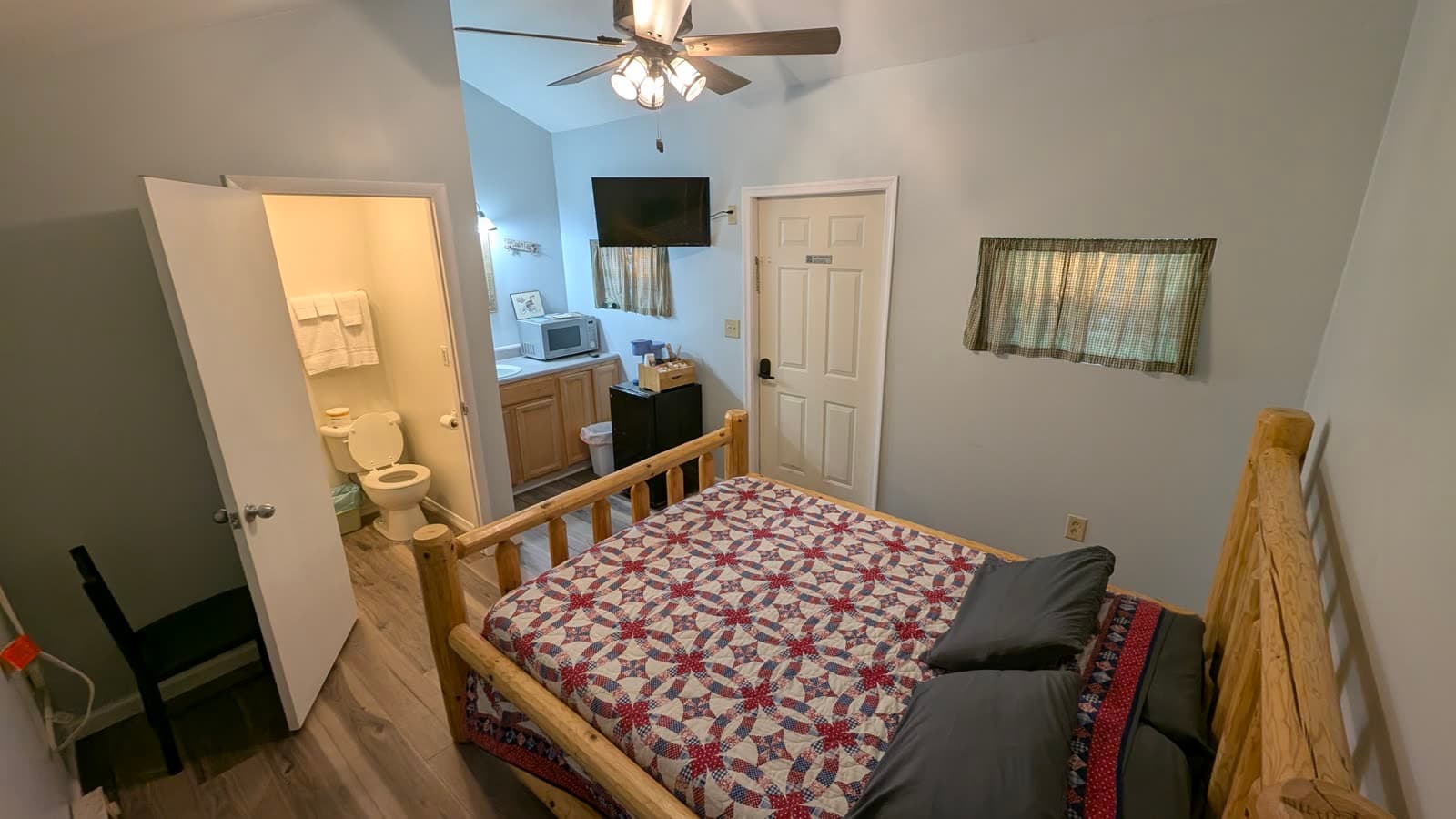
A stargazing trip needs exactly three ingredients: a dark place to lie down, food within reach, and no alarm set for the morning. The campground covers the first, pickup orders at tunnelhotel.com/order cover the second, and checkout at 11 AM handles the third. If the household splits on sleeping outdoors, queen rooms from $79.79 tax included keep everyone in the same night sky. Both book at tunnelhotel.com/book.
Beds 300 yards off the trail
All rooms & camping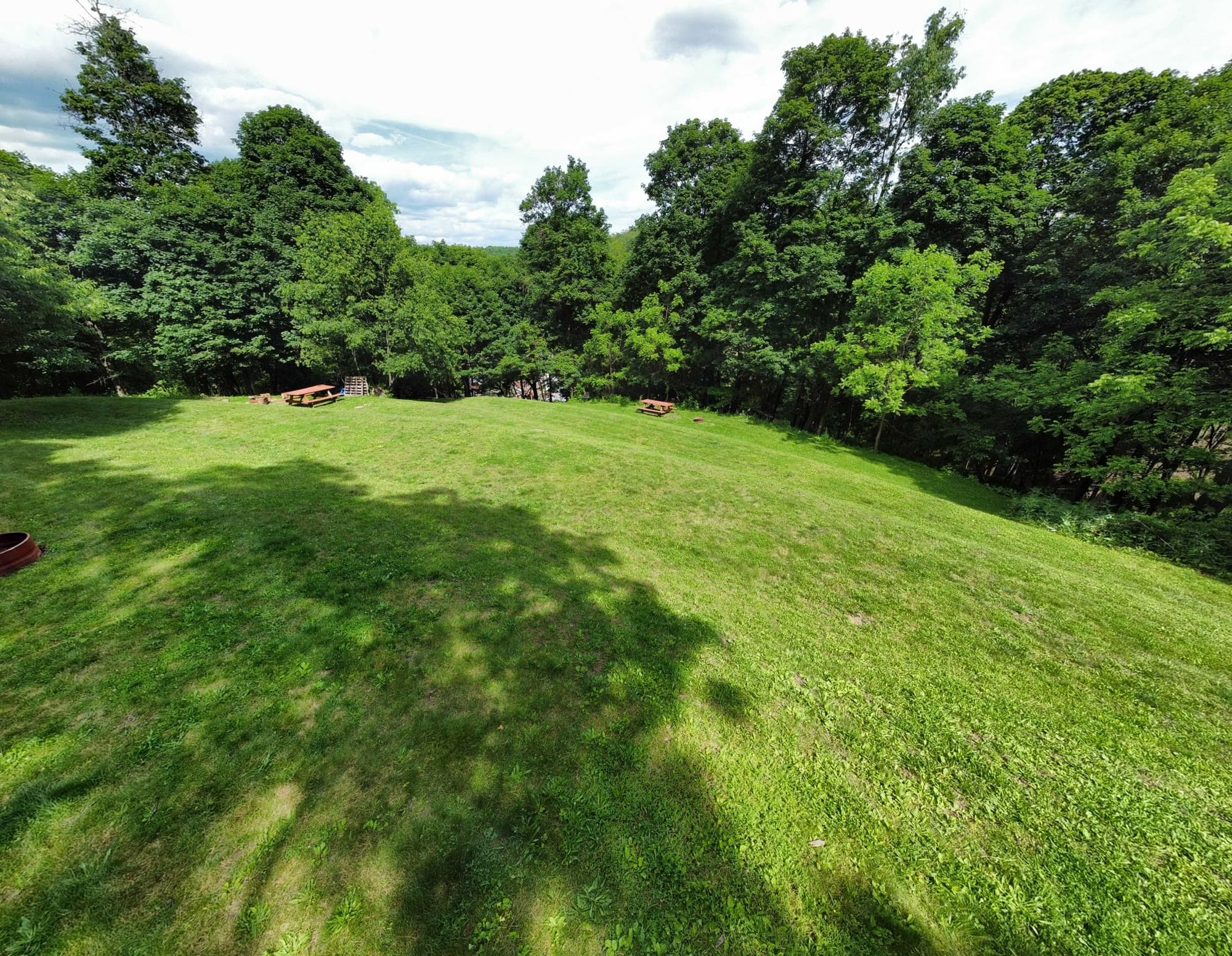
Tracks & Yaks, right next door
All experiences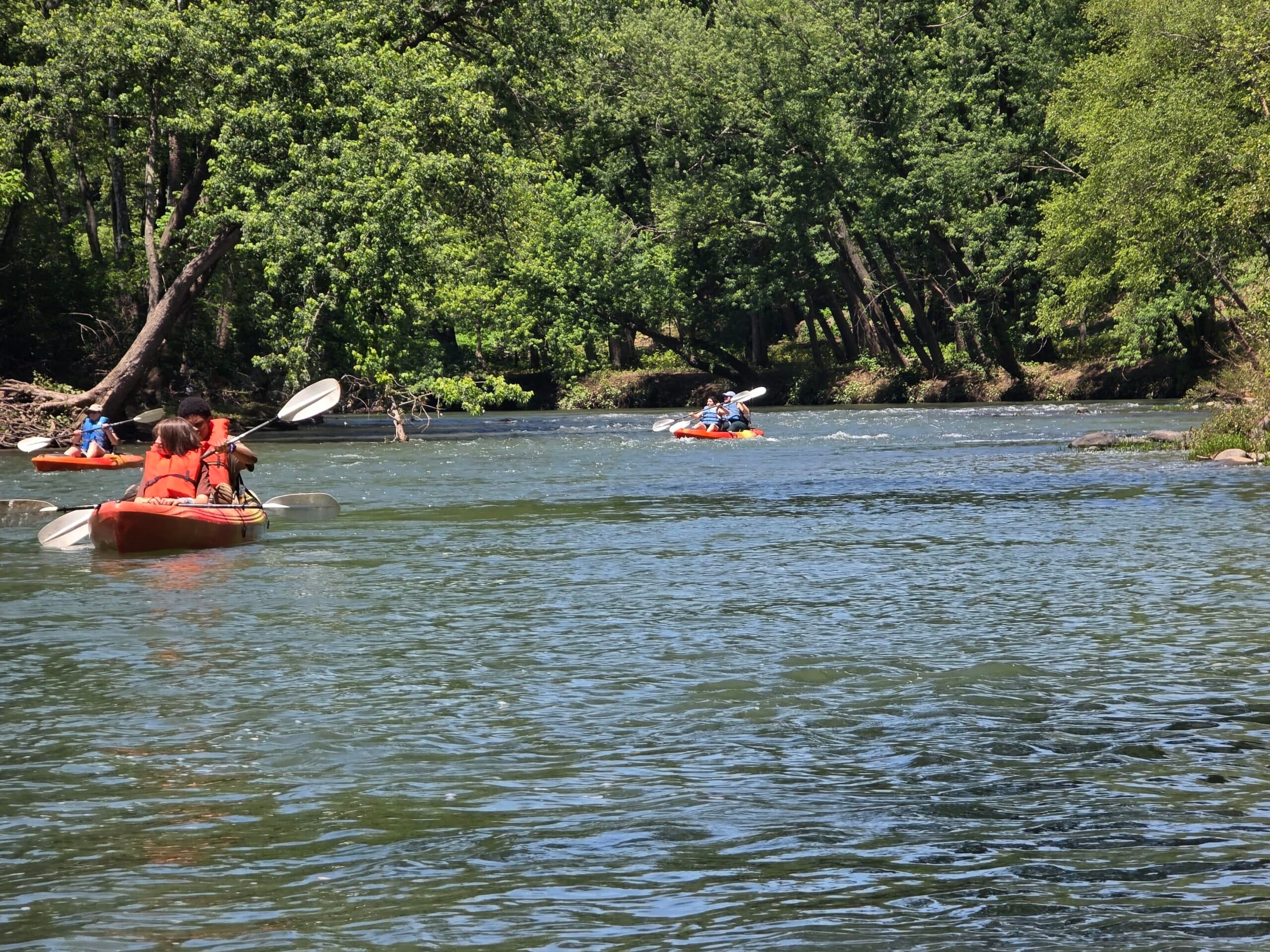
Track and Yak
The signature combo: a guided railbike run, a catered lunch, then a kayak paddle. Kayak (single or double) is included — track and yak in one afternoon.
from $169
Details →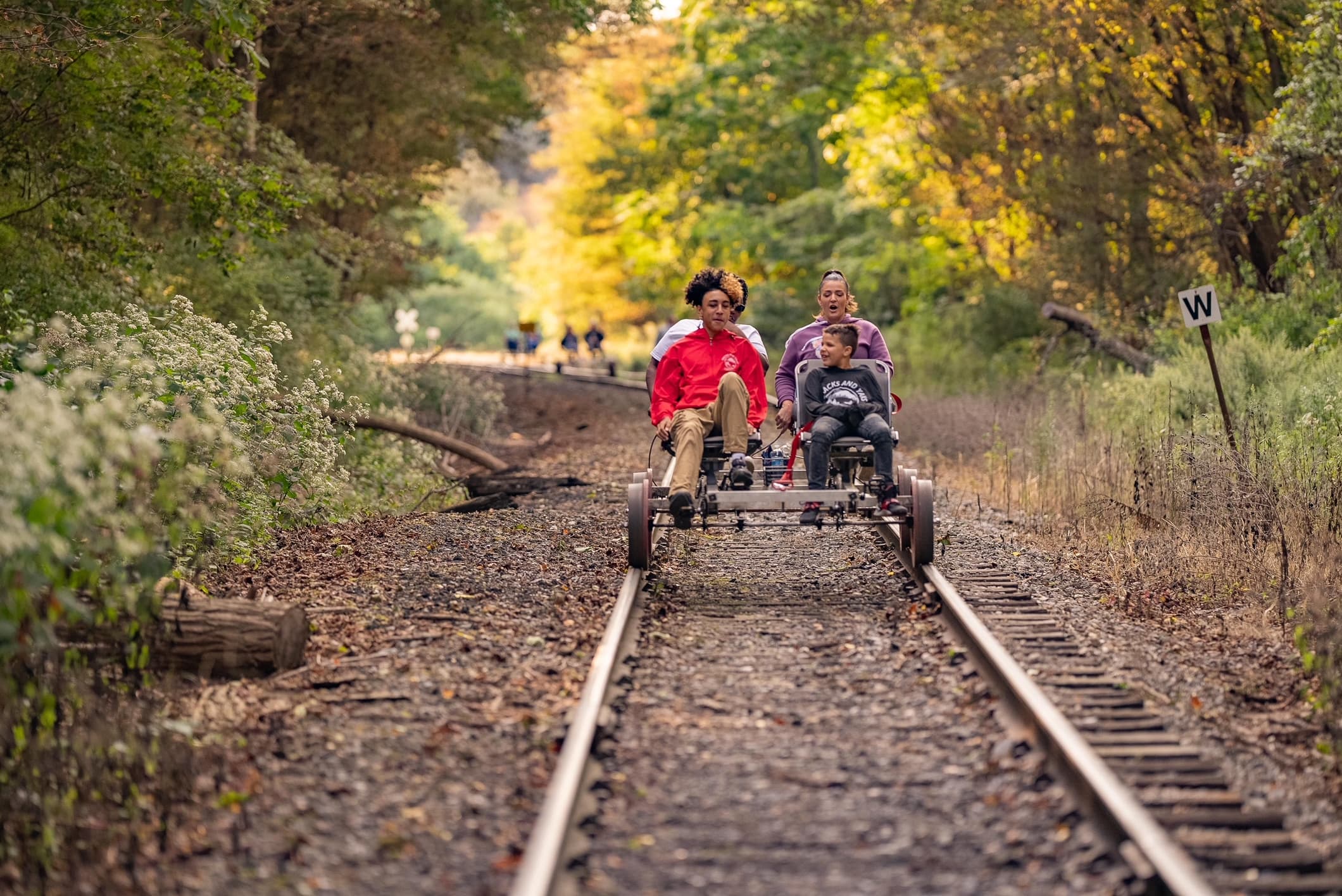
Helmstetter Hotshot
Two hours on the rails out to Helmstetter's Curve, the iconic horseshoe bend famous with railfans and photographers.
from $99
Details →Questions, answered straight
Is Frostburg, MD good for stargazing?
Frostburg sits high in the Allegheny Mountains near the Eastern Continental Divide, and small mountain towns produce far less light pollution than metro areas, so clear nights typically show substantially more stars than most visitors see at home. The Tunnel Hotel's campground offers tent sites at $17.10 per person per night, tax included, for guests who want to sleep under that sky.
When is the best time to stargaze in the Allegheny Mountains?
Aim for clear, dry nights near the new moon, when moonlight won't wash out fainter stars. Cool, crisp conditions typically give the sharpest skies, and the Perseid meteor shower — which typically peaks in mid-August — is a reliable annual highlight. Always check cloud-cover forecasts before a dedicated stargazing night, since mountain weather changes quickly.
Do I need a telescope to enjoy the night sky while camping?
No. From a dark mountain campground on a moonless night, unaided eyes can typically see the Milky Way's band, major constellations, bright planets, passing satellites, and meteors. The key techniques are free: move away from artificial light, let your eyes adapt for about twenty minutes, and keep phone screens off or dimmed to red.
Can I camp overnight to stargaze near the GAP trail?
Yes. The Tunnel Hotel at 20 Depot St in Frostburg, Maryland runs a primitive campground with more than 20 tent sites, including an ADA site, at $17.10 per person per night with tax included — 300 yards from the Great Allegheny Passage. Nights at this elevation typically run cool, so pack warm layers even in summer. Book at tunnelhotel.com/book.