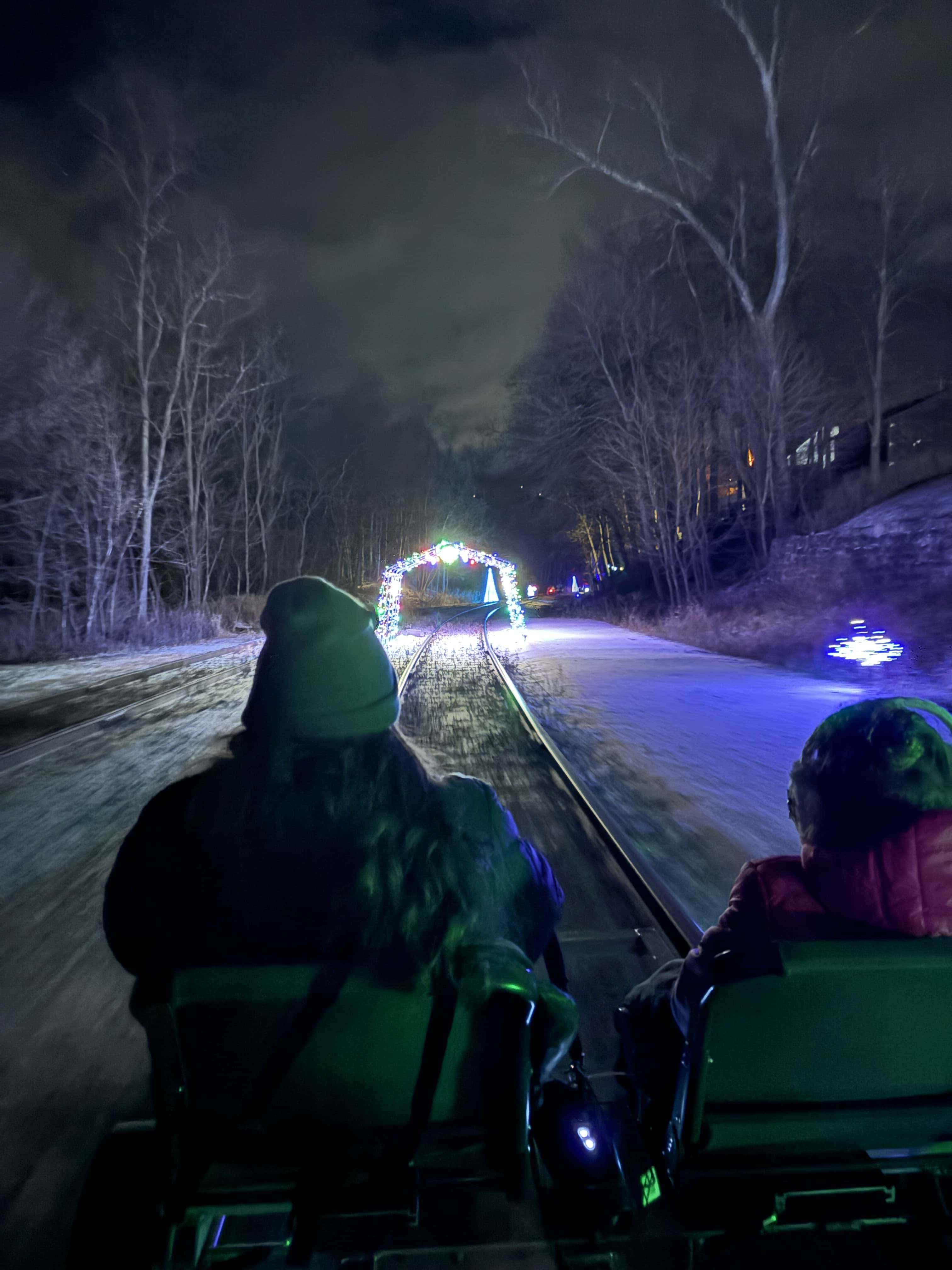
Vanished America
Railroad Hotels: America's Vanished Building Type
Depots once anchored whole towns, and inns grew beside them the way motels later grew beside highway exits. Nearly all of those inns are gone. We live in one that isn't.
The Inn · 6 min read ·
What a Railroad Hotel Was
Before automobiles rearranged the country, the depot was typically the busiest address in an American town, and a hotel within sight of the platform was as standard a fixture as a bank or a church. These weren't grand resort palaces — most were plain, sturdy inns that fed and slept passengers between connections, along with the traveling salesmen, crews, and freight agents who kept the line running.
The type followed the traffic. Where a railroad stopped, an inn generally appeared; the two were so tightly coupled that the hotel often shared the depot's block, sometimes its street name. We keep this history deliberately general — records for small working inns are usually thin — but the pattern itself is well established and easy to read in any town that kept its rail-era street grid.
Why the Type Disappeared
The decline came from the same direction almost everywhere. As highways spread through the middle of the twentieth century, passenger rail service thinned out, depots closed, and the inns beside them lost the foot traffic that justified their existence. Travelers now arrived by car and slept where the car stopped, not where the train did.
What happened next varied by town. Many of these buildings were demolished; others were carved into apartments or storage and quietly forgot what they had been. The ones that survived intact are typically in towns that dodged both the wrecking ball and the pressure to redevelop — which often meant towns whose economies had gone quiet. It is one of preservation's standing ironies that hard times can be a building's best friend.
Then the Rails Became Trails
The rail-trail movement gave the surviving handful a second act nobody planned. As abandoned corridors were converted to crushed-limestone paths — the Great Allegheny Passage among them, 150 miles from Pittsburgh to Cumberland — travelers started arriving along the old rights-of-way again, this time on two wheels. And the depot-side inn, built to catch travelers stepping off the corridor, found itself in precisely the right spot a century later.
There's a clean symmetry to it. The same location logic that put these buildings beside the platform in the 1880s now puts them beside the trailhead, and the same rooms serve the same need: a bed within steps of the line. Our essay at tunnelhotel.com/blog/why-trail-towns-matter picks up that thread from the town's side of the story.
An 1888 Survivor at the Frostburg Depot
Our building is one of the survivors. Constructed in 1888 to serve rail travelers at the Frostburg depot — and known along the way as the Trail Inn at Frostburg — it stands in a depot district that still works: the Western Maryland Scenic Railroad's Frostburg Flyer pulls in through the season, railbikes launch from next door, and the GAP runs within 300 yards of the porch.
That last part matters. Most surviving railroad inns sit beside silent rails or none at all. Here the platform still receives a train, steam-hauled on weekends in season, which means the original scene — travelers, tracks, and an inn watching over both — still assembles itself outside the windows on a regular schedule.
Why the Real Thing Beats a Replica
Plenty of lodging borrows railroad theming — lantern sconces, timetable wallpaper, a caboose out front. There is nothing wrong with any of that, but a themed room and a room that was actually built for rail travelers are different experiences. In the real thing, the location is the artifact: the reason your bed sits where it sits is the same reason it sat there in 1888. No decorator can install that.
We renovated accordingly. The structure is original and everything a guest touches is new — modern beds, bathrooms, and 24-hour self check-in with a door code sent by SMS. Authenticity, we've found, is best served without 1888-era mattresses.
Spend a Night in the Type That Almost Vanished
You can read about vanished building types, or you can sleep in one 16 trail miles above Cumberland with a steam whistle in the afternoon. Rooms at the inn begin at $79.79 nightly — Maryland lodging tax already in the number — and the full lineup is at tunnelhotel.com/stay. Reserve your night in a survivor at tunnelhotel.com/book.
Beds 300 yards off the trail
All rooms & camping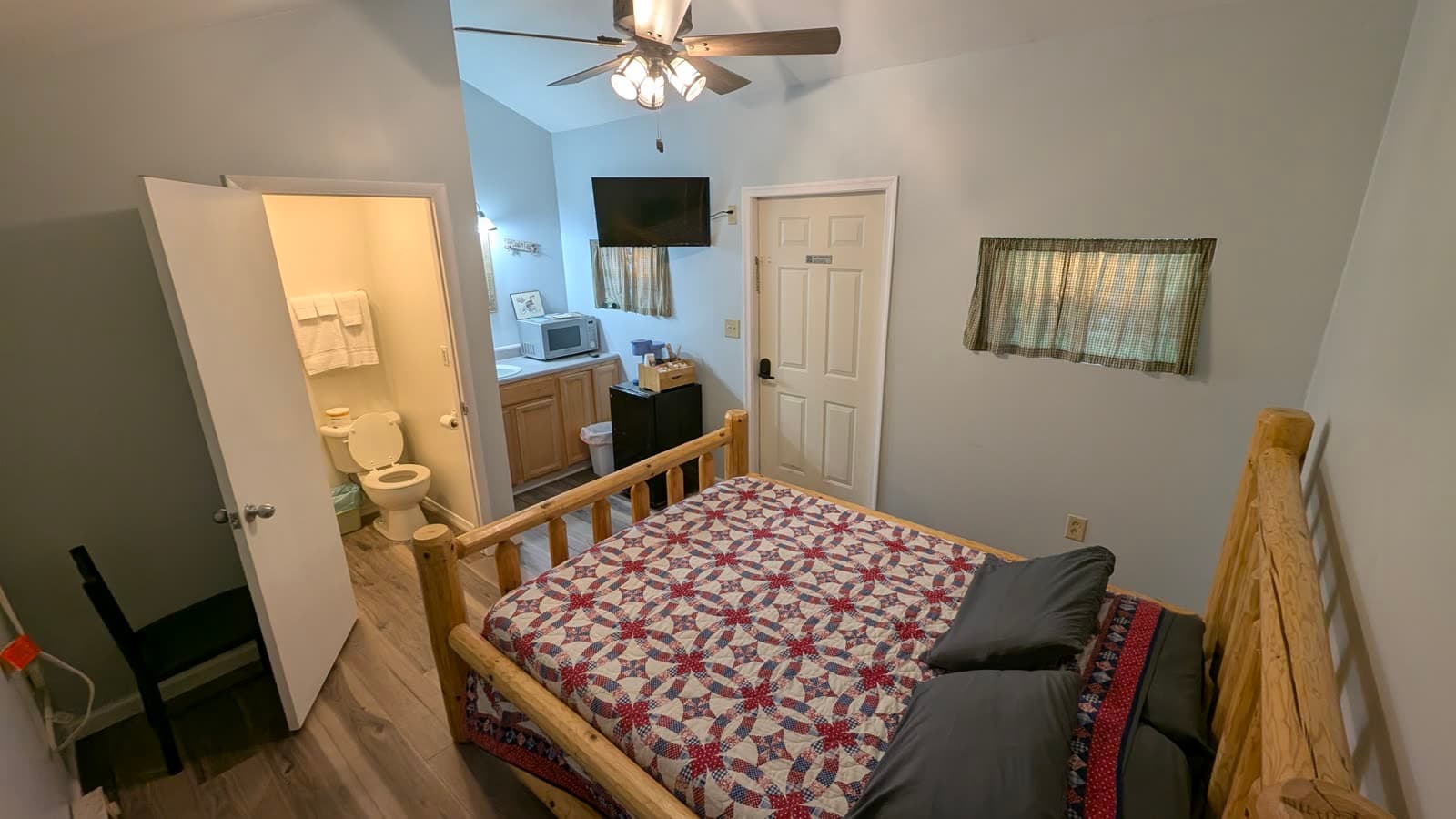
Tracks & Yaks, right next door
All experiences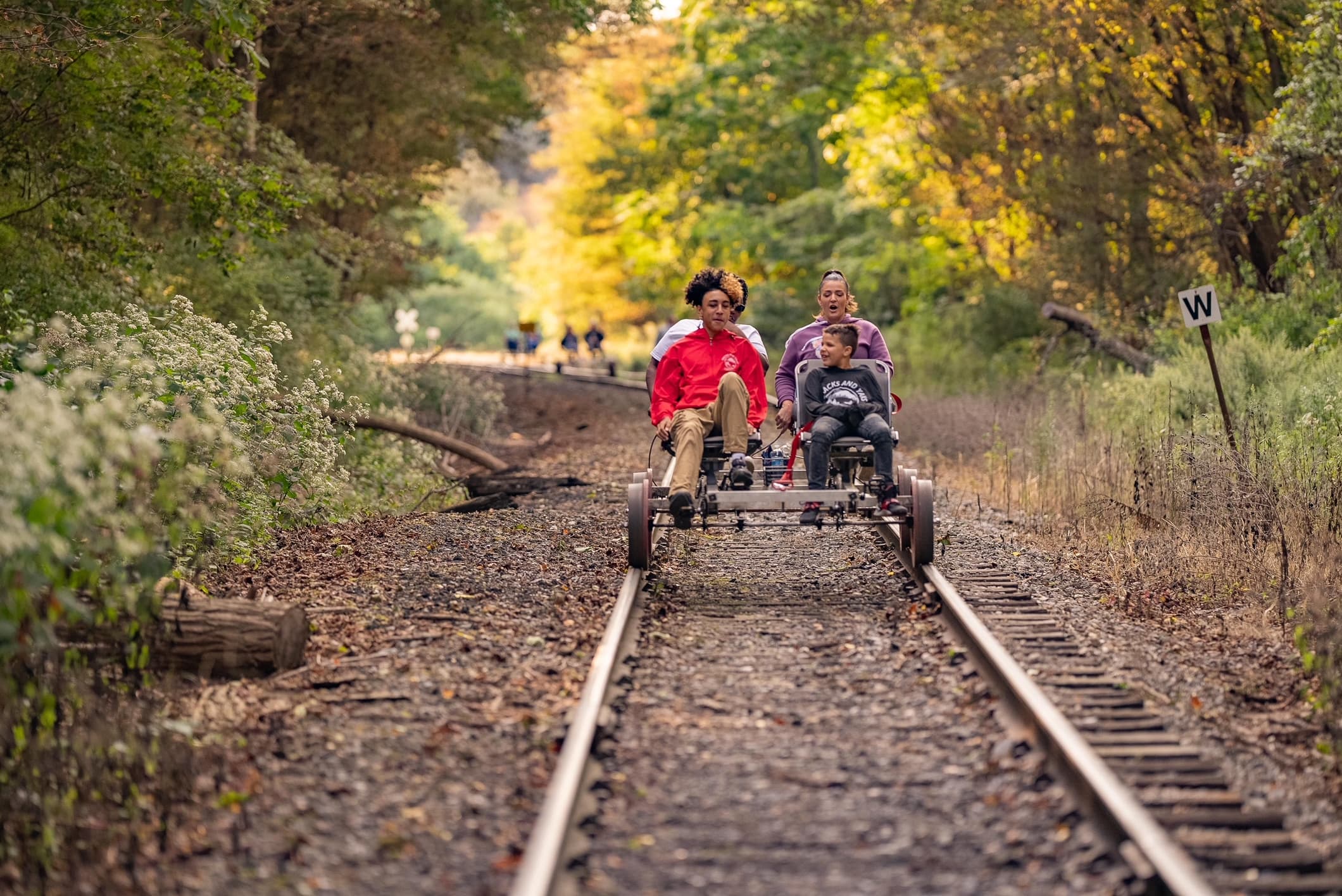
Queen City Combo — AM (Frostburg)
Railbike down the mountain in the morning, then ride the Western Maryland Scenic Railroad's Frostburg Flyer back up. Rails both ways.
from $169
Details →Helmstetter Hotshot
Two hours on the rails out to Helmstetter's Curve, the iconic horseshoe bend famous with railfans and photographers.
from $99
Details →Questions, answered straight
What was a railroad hotel?
A railroad hotel was an inn built beside a train depot to lodge and feed passengers, crews, and traveling businessmen. They were standard fixtures of American towns in the rail era, typically plain and practical rather than grand, and most disappeared as highway travel replaced passenger rail through the twentieth century.
Can you still stay in a real railroad hotel in America?
A relatively small number survive as working lodging. One is the Tunnel Hotel in Frostburg, Maryland — built in 1888 beside the Frostburg depot and also known as the Trail Inn at Frostburg. It still operates as an inn, with rooms from $79.79 a night including tax, bookable at tunnelhotel.com/book.
Why did most railroad hotels disappear?
Because their customers did. As highways and automobiles displaced passenger rail across the mid-twentieth century, depots closed and travelers stopped arriving by train, so the inns beside the platforms generally lost their purpose. Many were torn down or converted to other uses; only a fraction survived intact.
Is there a historic hotel on the Great Allegheny Passage near a working train?
Yes. The Tunnel Hotel, an 1888 railroad inn at 20 Depot St in Frostburg, MD, sits about 300 yards from the GAP next to the depot where the Western Maryland Scenic Railroad's Frostburg Flyer arrives in season — steam-hauled by locomotive No. 1309 on weekends. Call 240-730-4064 with questions.