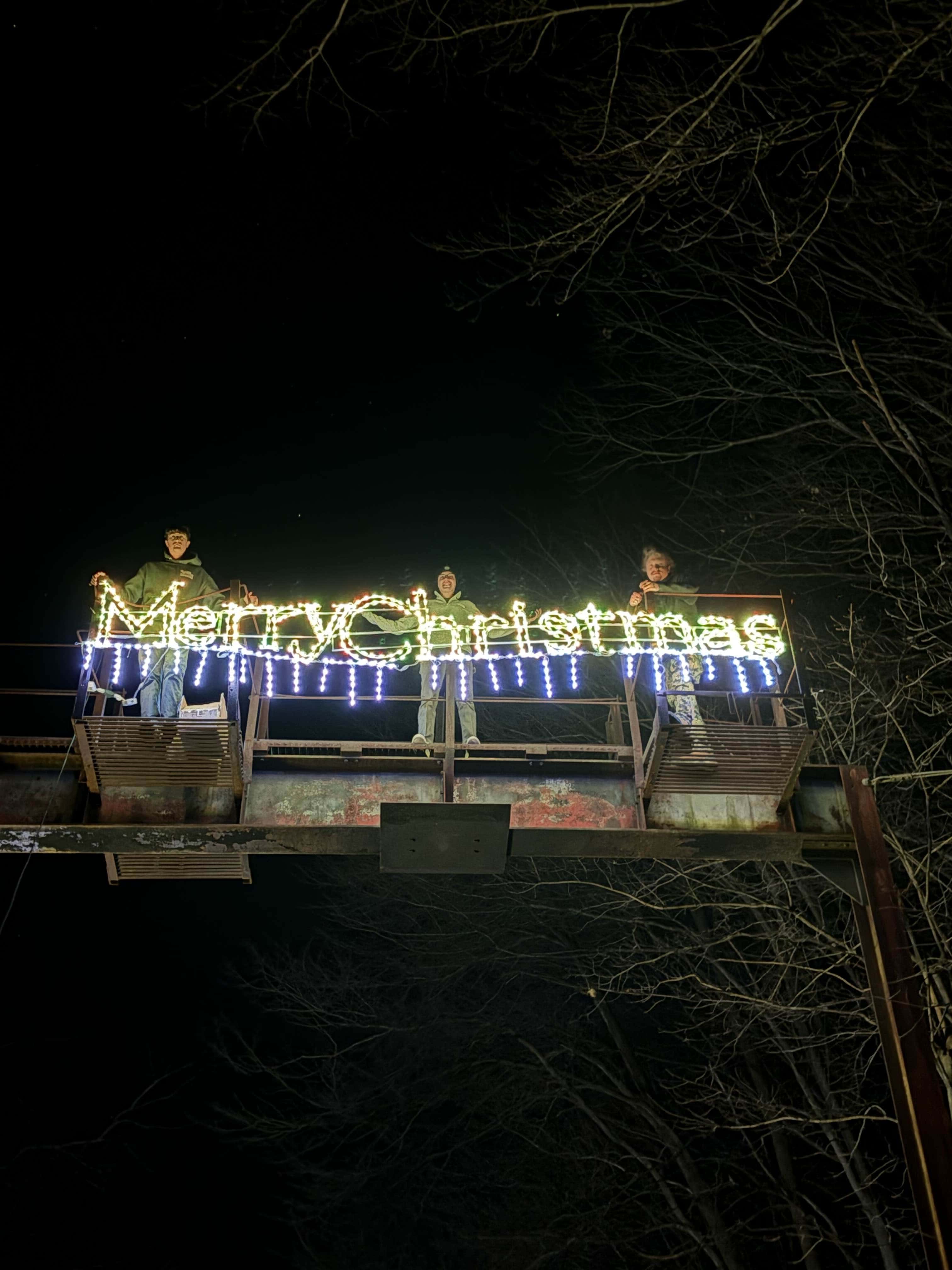
An essay
Why Trail Towns Matter
A rail-trail looks like 150 miles of crushed limestone. It is actually a chain of towns holding a path between them — and the towns are the part that can fail.
The Inn · 6 min read ·
The Trail Is Only Half the System
Strip a long-distance trail down to what it actually provides and the list is short: a graded surface and a line on a map. The Great Allegheny Passage carries no restaurants, no beds, no bike shops, no water fountains every mile — between towns it is trees, cut rock, and crushed limestone. Everything a human needs to keep moving for 150 miles comes from somewhere off the treadway.
That somewhere is the trail town. Every workable GAP itinerary is secretly a list of towns with the miles between them penciled in; the riding is just the connective tissue. Riders learn this the first time a granola bar has to stand in for a missed lunch stop. Trip planners who start with towns and work outward — the method our tunnelhotel.com/gap-trail-lodging page is built around — rarely relearn it the hard way.
What a Trail Town Actually Provides
Inventory the services a town supplies and you start to see it as infrastructure rather than scenery.
- Beds — the difference between a trail people ride once and a trail people ride in stages, for years.
- Food and water — calories on a schedule the trail itself will never offer.
- Repair and rentals — a mechanical problem in town is an errand; twenty miles out, it ends the trip.
- Weather refuge — the Alleghenies make their own storms, typically on short notice.
- Transport links — shuttles, and here in Frostburg a heritage railroad, that turn one-way rides into loops.
- People — the volunteers and business owners who maintain, advocate for, and quietly subsidize the trail's existence.
A Second Act for Railroad Towns
There's a historical rhyme in all this. The towns along the GAP generally exist because of the railroads and the coal economy those rails served; when that economy wound down, the corridors emptied and the towns absorbed the loss. The trail conversion brought travelers back along the exact same rights-of-way — arriving slower, staying longer, and spending on main streets instead of at interchanges.
We keep the economics deliberately unquantified, because honest numbers vary town by town and year by year. But the mechanism is plain to anyone standing on Depot Street: travelers who sleep in town buy dinner in town, breakfast in town, and the forgotten tube or rain jacket in town. Trail traffic is a town's revenue only when the traffic stops moving.
Frostburg: A Working Example
Our own block makes the case study. The depot district holds a railroad inn standing since 1888 — this one — plus the Trail Inn Cafe and its brick oven, the GAP Deck above the treeline, railbikes launching next door, the Thrasher Carriage Museum, and a depot that still receives a steam train in season. Up the hill: a university town's main street of shops and pubs. All of it within a short walk of a trail junction 16 miles up the grade from Cumberland.
None of those businesses would describe themselves as trail infrastructure, but that is precisely what they are. Remove them and Frostburg becomes a trailhead sign and a water question. Remove enough towns like it and the GAP stops being a place you can ride for a week with a credit card and a change of clothes — which is the whole miracle of the thing.
How Riders Keep the System Alive
The good news: maintaining this infrastructure requires nothing from riders except doing the trip well.
- Sleep in the towns, not just through them — an overnight is worth many pass-throughs.
- Eat where you stop; carry less food and buy more of it locally.
- Book direct with local operators, so your dollars skip the middlemen. Our own case is at tunnelhotel.com/blog/book-direct-benefits.
- Travel the shoulder seasons — spring and late fall business is what carries small operators to the next summer.
- Say the town's name when you tell the story. Trails get famous; towns need to.
Spend the Night Where It Counts
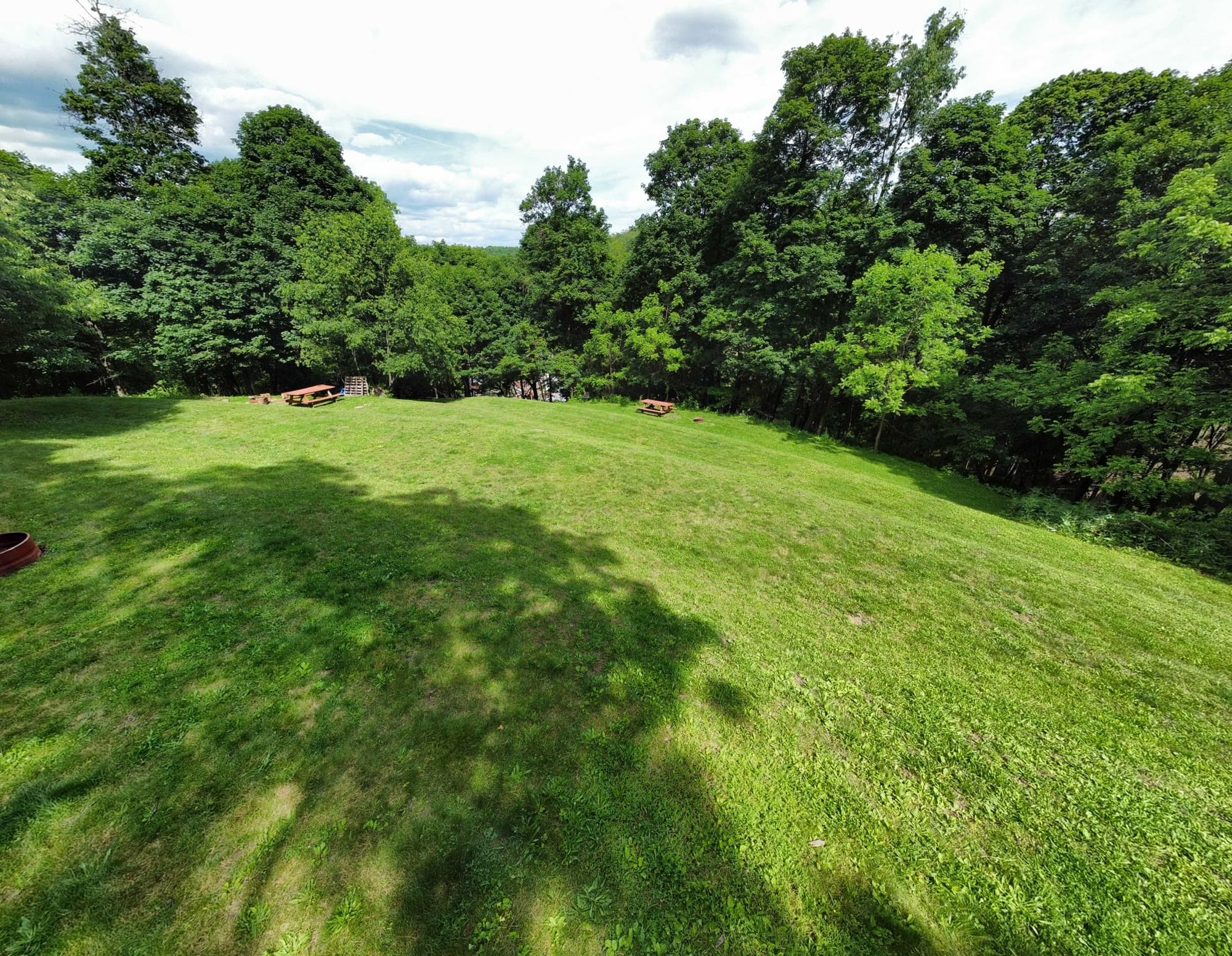
Every stay is a small vote for the version of the GAP you want to exist in ten years — one with hot food at the summit, beds by the trail, and towns that are glad to see riders coming. We're biased about where that vote lands, and we've earned the bias: queens from $79.79 with tax in, tent sites at $17.10 a person, and a town we'd put up against any stop on the corridor. Cast yours at tunnelhotel.com/book.
Beds 300 yards off the trail
All rooms & camping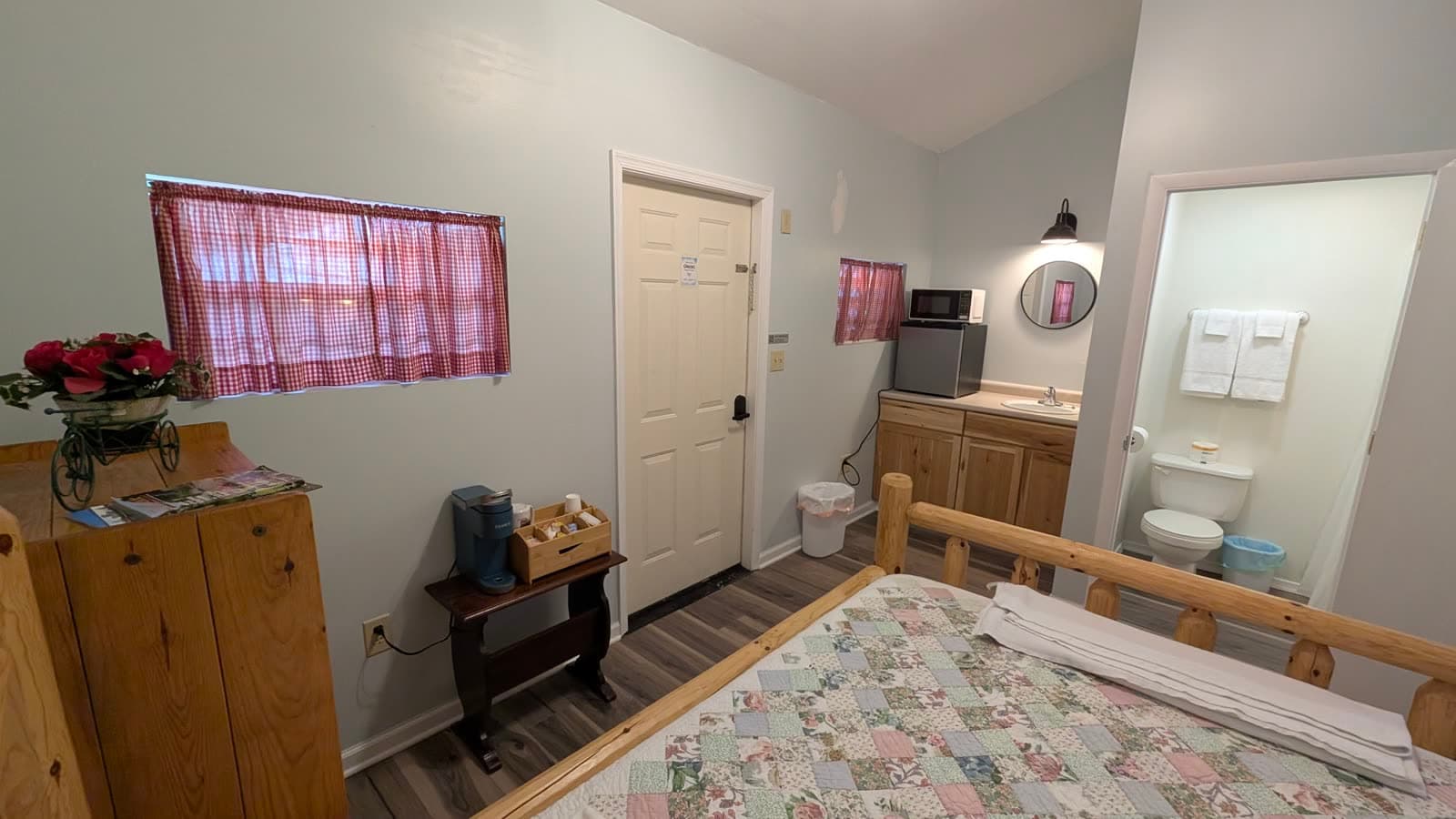
Tracks & Yaks, right next door
All experiences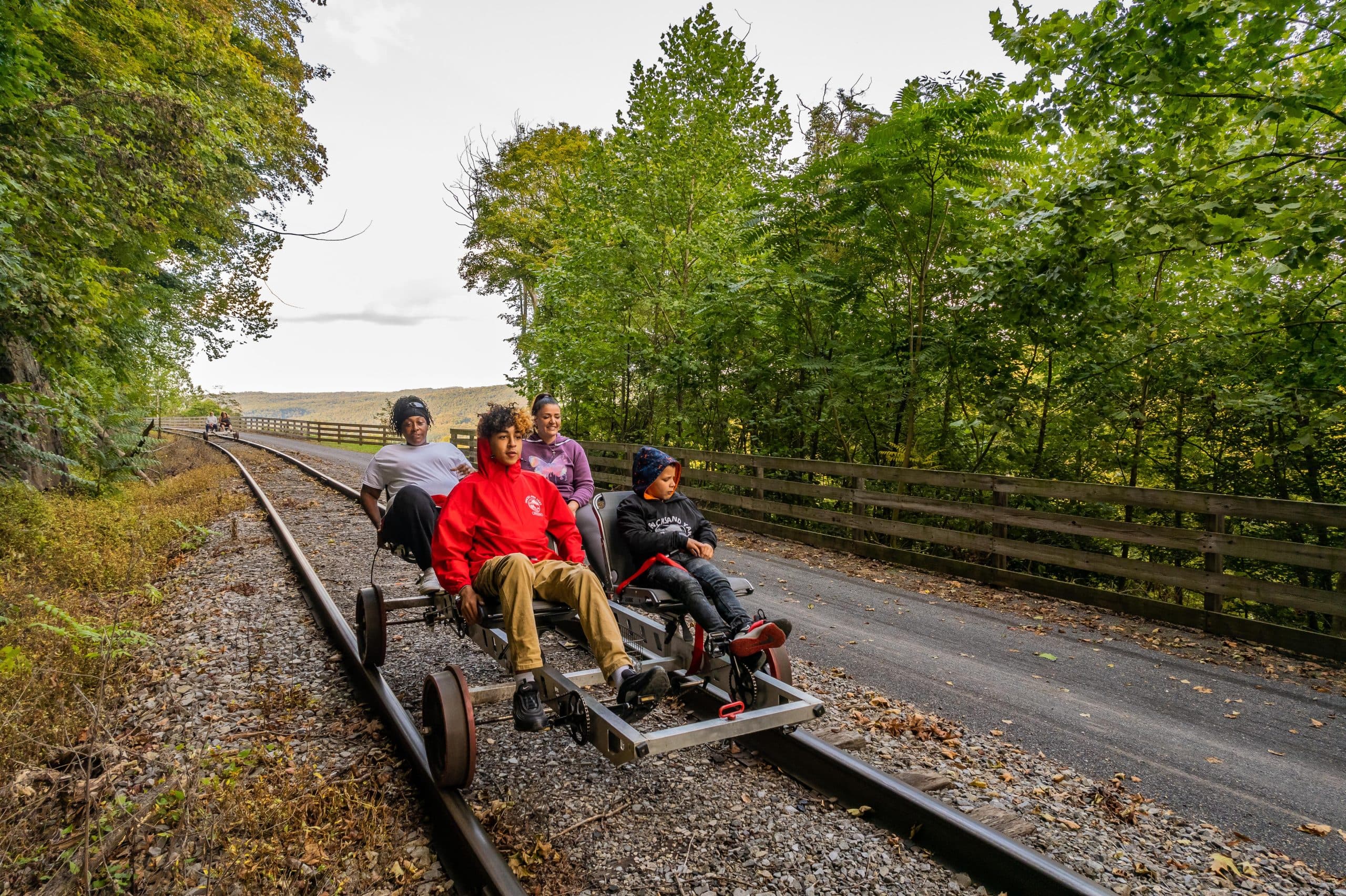
Questions, answered straight
What is a trail town?
A trail town is a community adjacent to a long-distance trail that supplies the services the trail cannot: lodging, food, water, repairs, and transport. On the Great Allegheny Passage, which runs 150 miles from Pittsburgh to Cumberland, trail towns like Frostburg, MD function as the route's real infrastructure.
Why should GAP riders stay in trail towns instead of camping every night?
Camping is a legitimate way to ride the GAP — we host tent campers at $17.10 a person — but town stays feed the local businesses that keep trail services alive, and most riders mix both. A night indoors mid-trip also means hot food, laundry-level recovery, and a real bed before the mountain miles.
What trail town is at the top of the GAP climb?
Frostburg, Maryland, roughly 16 trail miles up the grade from Cumberland and near the Eastern Continental Divide, the GAP's high point. Its depot district — with the 1888 Tunnel Hotel 300 yards off the trail, a cafe, railbikes, and a seasonal steam train — sits just below the historic downtown.
How does spending money in trail towns help the trail?
Trail-adjacent businesses provide the beds, meals, and services that make multi-day rides possible, and traveler spending is what keeps those businesses open — especially in former railroad towns whose original industries are gone. When riders sleep, eat, and shop locally, the service chain along the corridor stays intact for the next rider.