A Coal Town Before It Was a Trail Town
Before the cyclists and long before the university crowds, Frostburg was coal country. The Georges Creek region around town produced bituminous coal prized up and down the East Coast in the nineteenth century, and moving that coal off the mountain is the reason the railroads came. The trail you ride, the depot you photograph, the inn you sleep in — all of it traces back to freight that needed a way down the grade to Cumberland.
We hedge the dates on purpose. Local history runs deep and sources disagree on specifics, so we stick to what we can vouch for absolutely: the railroad era shaped every brick of the depot district, and our own building went up in 1888 — a date we're confident in, because we live in it.
Why the Railroad Climbed to Frostburg
Coal is heavy and mountains are inconvenient, so nineteenth-century engineers did what they always did: found a grade a locomotive could tolerate and laid track along it. That constraint is the whole reason the Great Allegheny Passage rides so gently today — the trail sits on old railroad alignments, and since trains couldn't handle steepness, neither will you.
Frostburg sat near the top of the working grade, about 16 trail miles above Cumberland, where the line met the canal and the wider world. Loaded trains rolled downhill; empties labored back up. Stand at the depot today and you're standing in the middle of that machine.
The Depot District: Where the Evidence Still Stands
Most towns pave over their industrial past. Frostburg's is still physically present at the bottom of the hill: the historic depot, the turntable that once spun locomotives around for the trip back down, the Thrasher Carriage Museum next door with its collection of horse-drawn vehicles from the pre-automobile era, and the rail line itself — still active, now carrying excursion trains and pedal-powered railbikes where the coal drags used to run.
Our tunnelhotel.com/blog/depot-street-district post walks the block building by building. The short version: the whole district covers on foot in one easy stroll, and every structure on it earned its place the hard way.
The 1888 Inn: Sleeping Inside the Story
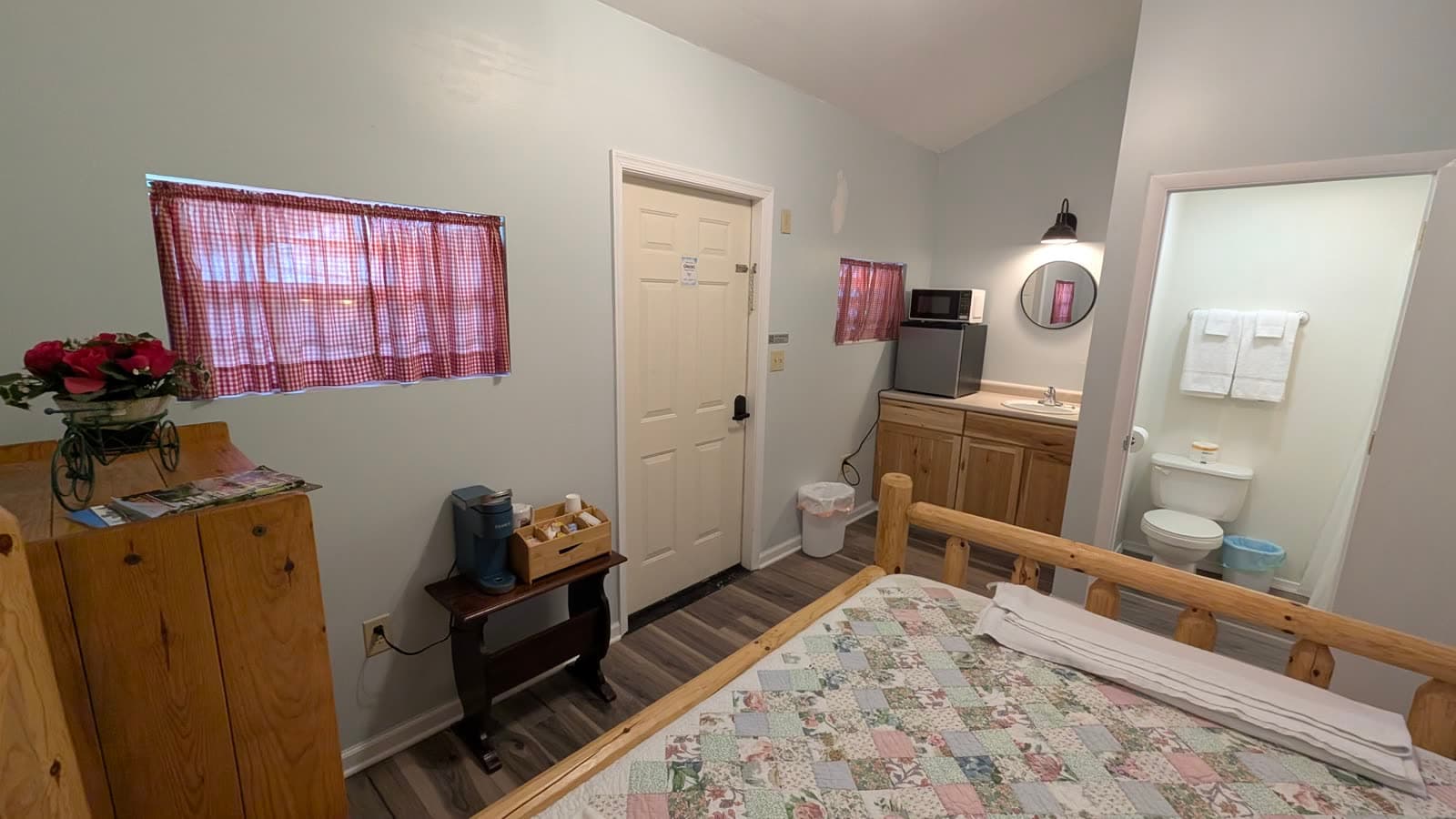
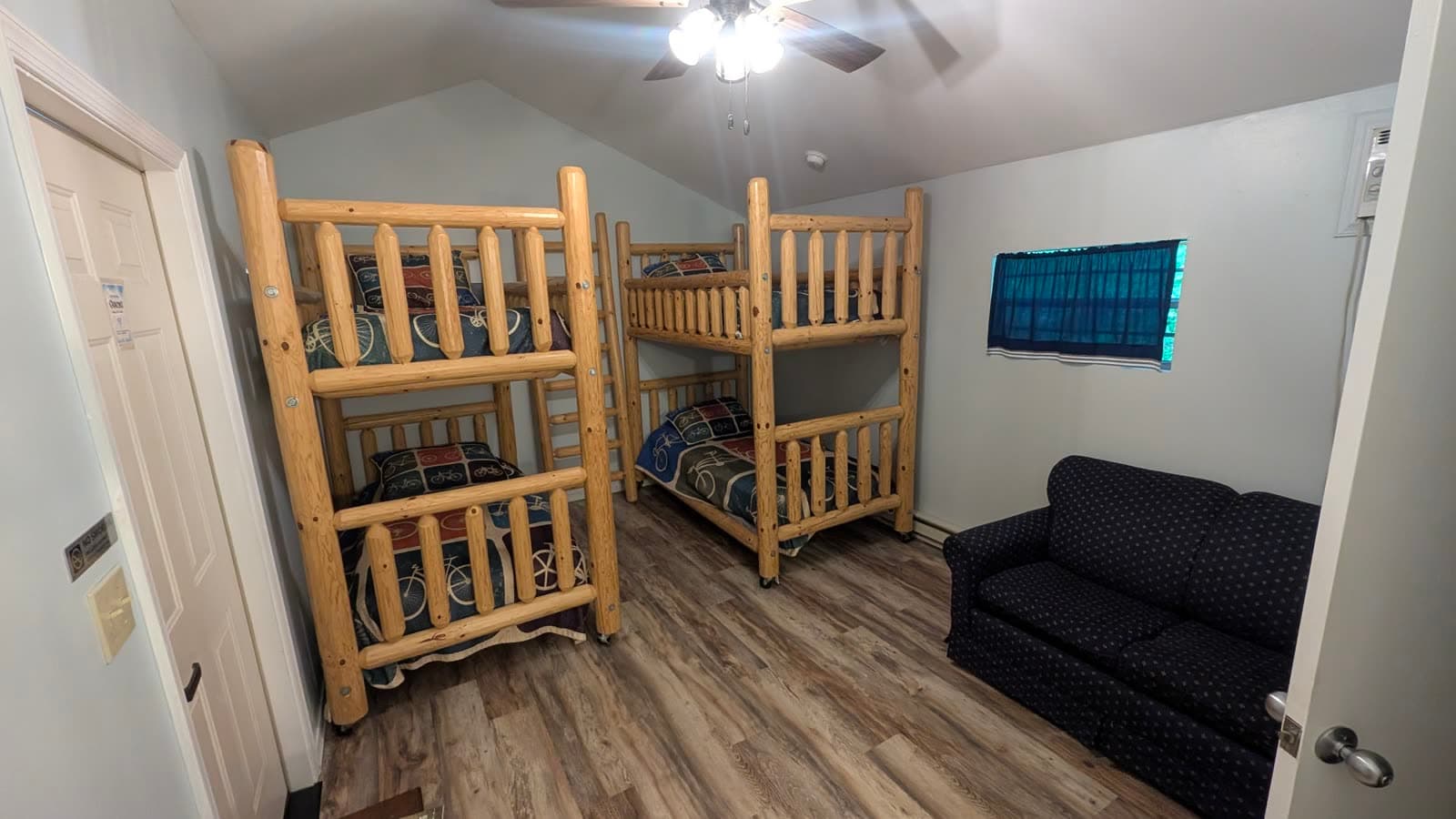
The Tunnel Hotel opened in 1888 as a railroad inn, back when Depot Street lodged the people the railroad delivered — crews, salesmen, travelers coming up the mountain. That isn't marketing flourish; it's the building's original job description, and the job hasn't changed much. Guests now arrive by bicycle and railbike rather than coach and coal train, but they still sleep beside working rails at 20 Depot St, in queen rooms priced from $79.79 with the lodging tax already in the number.
Echoes of the old economy survive in the room names — Little Savage, Big Savage, Braddock — borrowed from the mountains and the history stacked around this grade.
Rails That Never Stopped Working
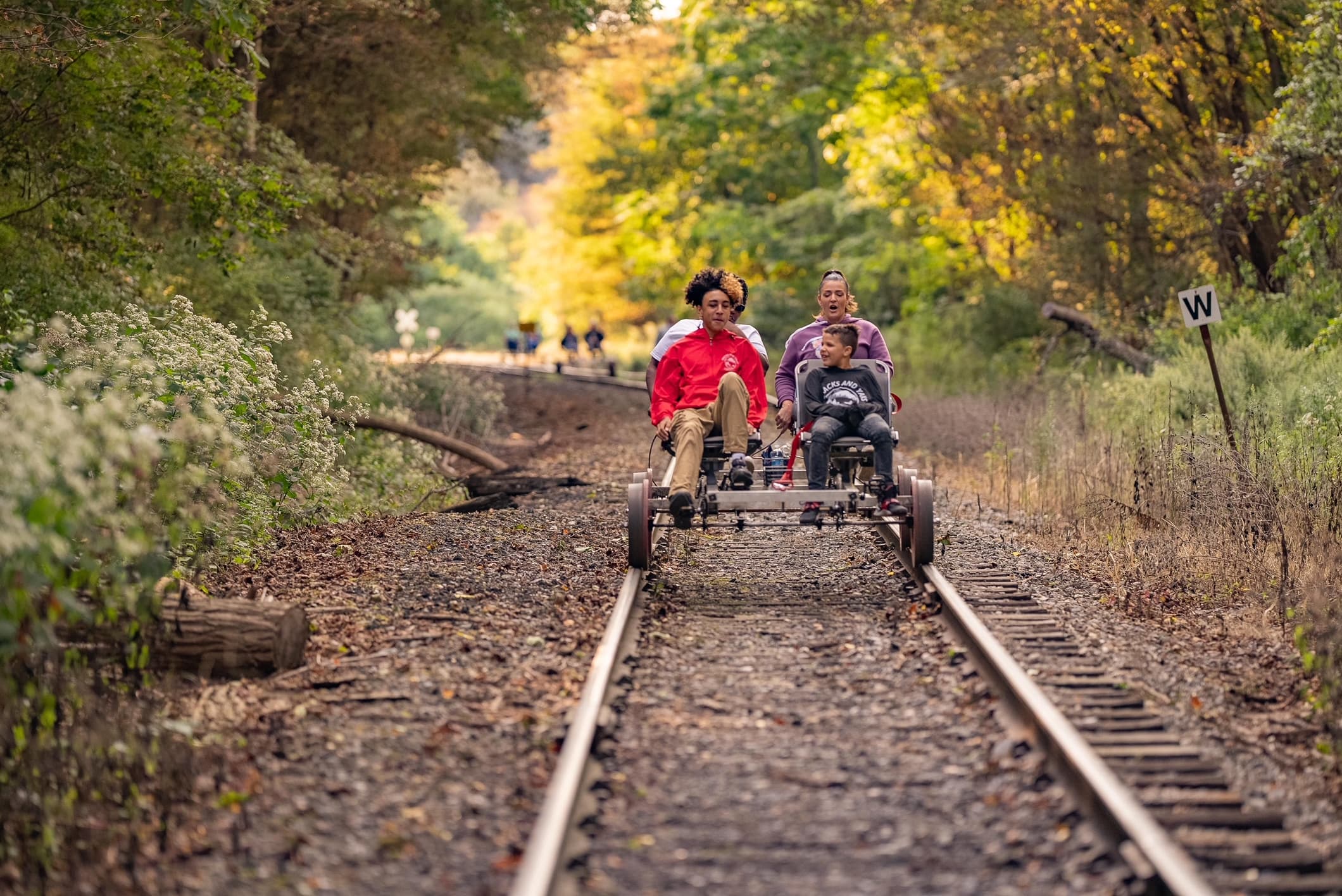
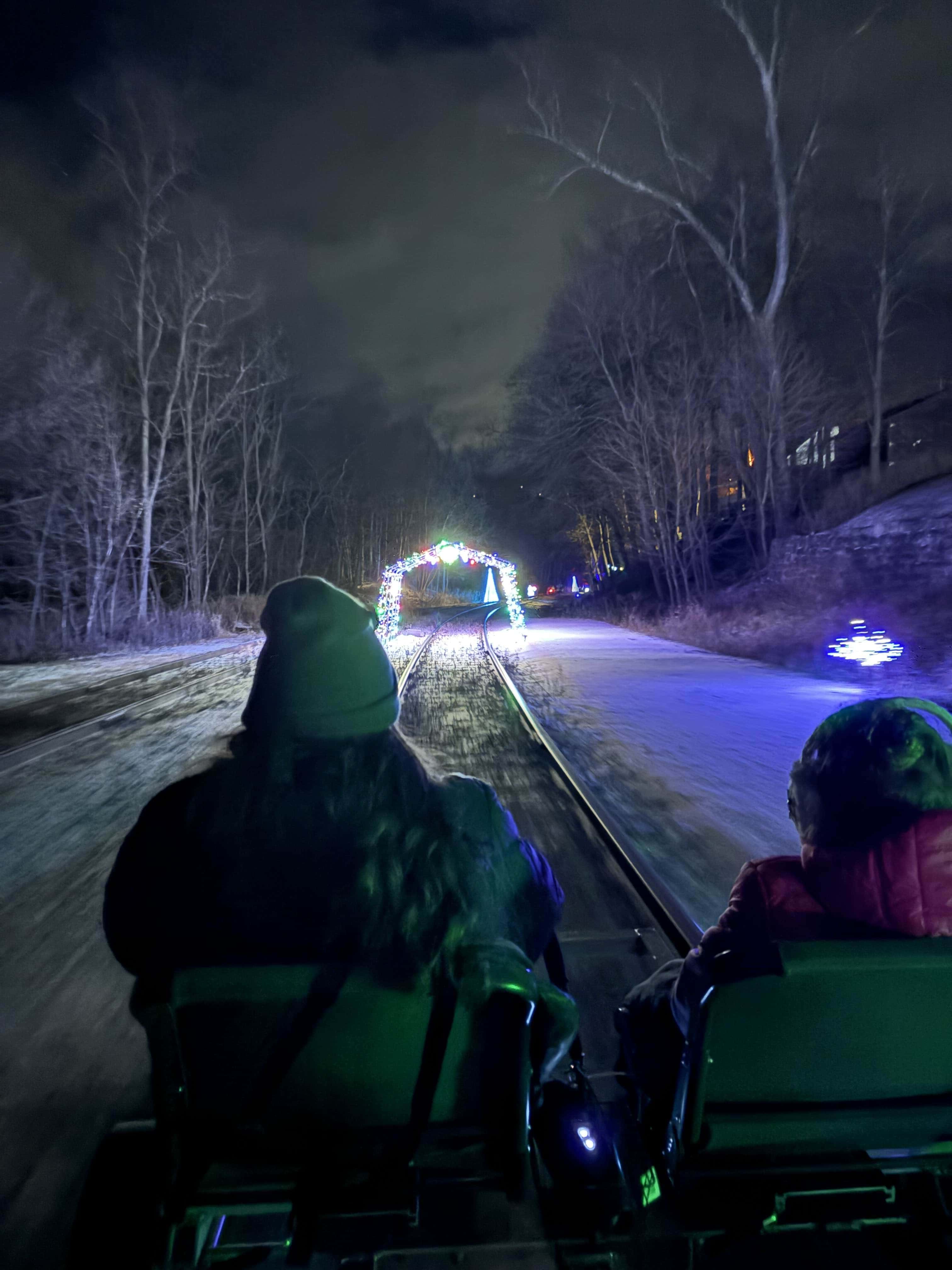
Here's what separates Frostburg's rail heritage from a museum's: the track still runs. In season — roughly May through October, Thursday through Sunday — the Western Maryland Scenic Railroad's Frostburg Flyer climbs up from Cumberland and holds at the depot from 12:45 to 2:15 PM, with steam locomotive No. 1309 leading on weekends. Between trains, Tracks & Yaks next door sends railbikes down the same corridor the coal once traveled; the 2-hour Helmstetter Hotshot runs $99 for a tandem bike.
History you can ride beats history behind glass. Just check the railroad's current schedule before building your day around it.
Walk the District, Then Sleep in It
You don't need a ticket or a tour guide to absorb Frostburg's rail history — you need an unhurried afternoon and a bed at the bottom of the hill. Browse tunnelhotel.com/things-to-do-frostburg-md for the rest of town, then claim a room in the 1888 building at tunnelhotel.com/book. The coal trains that built this place are long gone; the building is very much still on duty.