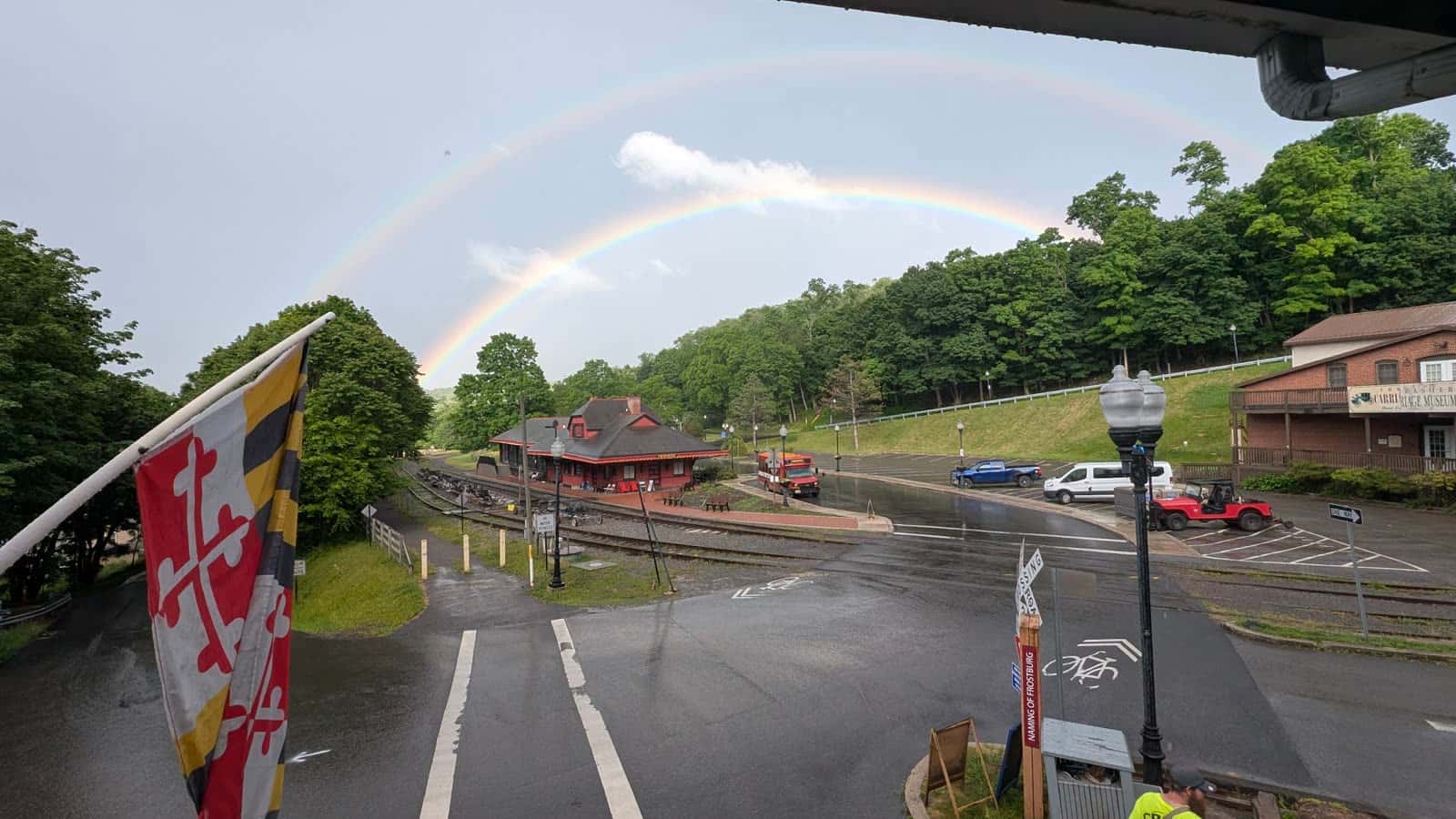
A District the Railroad Built
Frostburg grew up on coal and the rails that hauled it, and Depot Street is where that inheritance is still visible in brick and iron rather than plaques. The depot, the turntable, the grade climbing out of the valley, the inn that housed travelers off the trains — the pieces of a working railroad stop survive here as a set, not as isolated relics. We'll keep the dates modest, because railroad history attracts confident errors: the one number we can vouch for is 1888, the year our own building went up, and the rest of the district's story is best read on-site.
The Depot Today
The depot never became a museum piece — it's the active upper terminus of the Western Maryland Scenic Railroad. On operating days the Frostburg Flyer climbs from Cumberland, eases in at 12:45 PM, and holds until its 2:15 PM departure, filling the district with passengers for ninety minutes. Weekend trains bring steam power in the form of No. 1309; earlier in the week it's diesel. The season spans spring to fall, generally May into October, and the railroad's own site carries the authoritative calendar.
The Turntable: The District's Working Heart
Turntables were once standard equipment anywhere locomotives needed to reverse direction; today a working example is rare enough that people travel to see one. Frostburg's still earns its keep. During each layover the crew rides the locomotive onto the table and rotates it to face downhill, in the open, with spectators a few steps away. It is the kind of mechanical theater no video quite captures — the mass of the machine is the point, and mass doesn't compress.
The Inn Built to Serve the Line
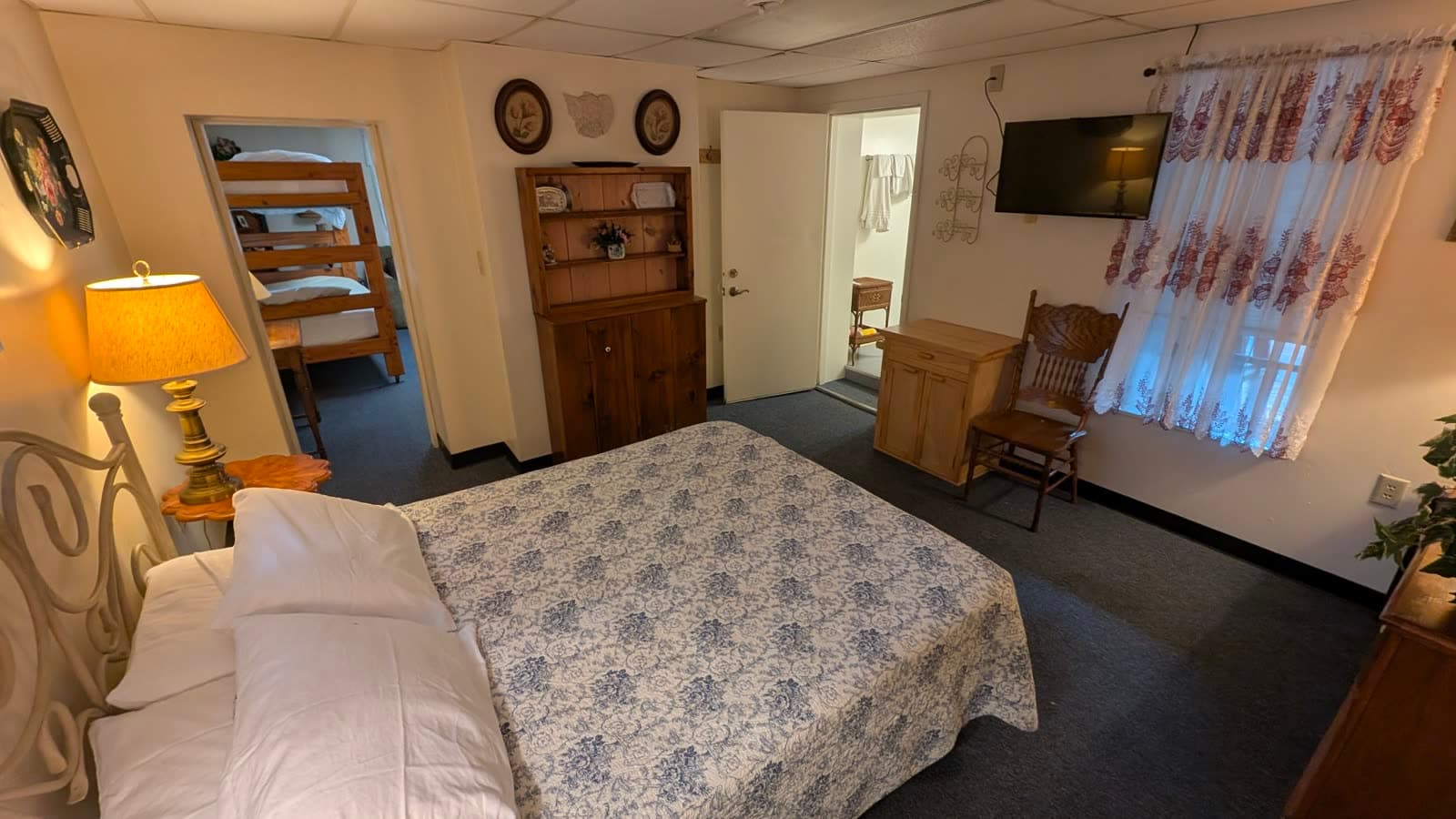
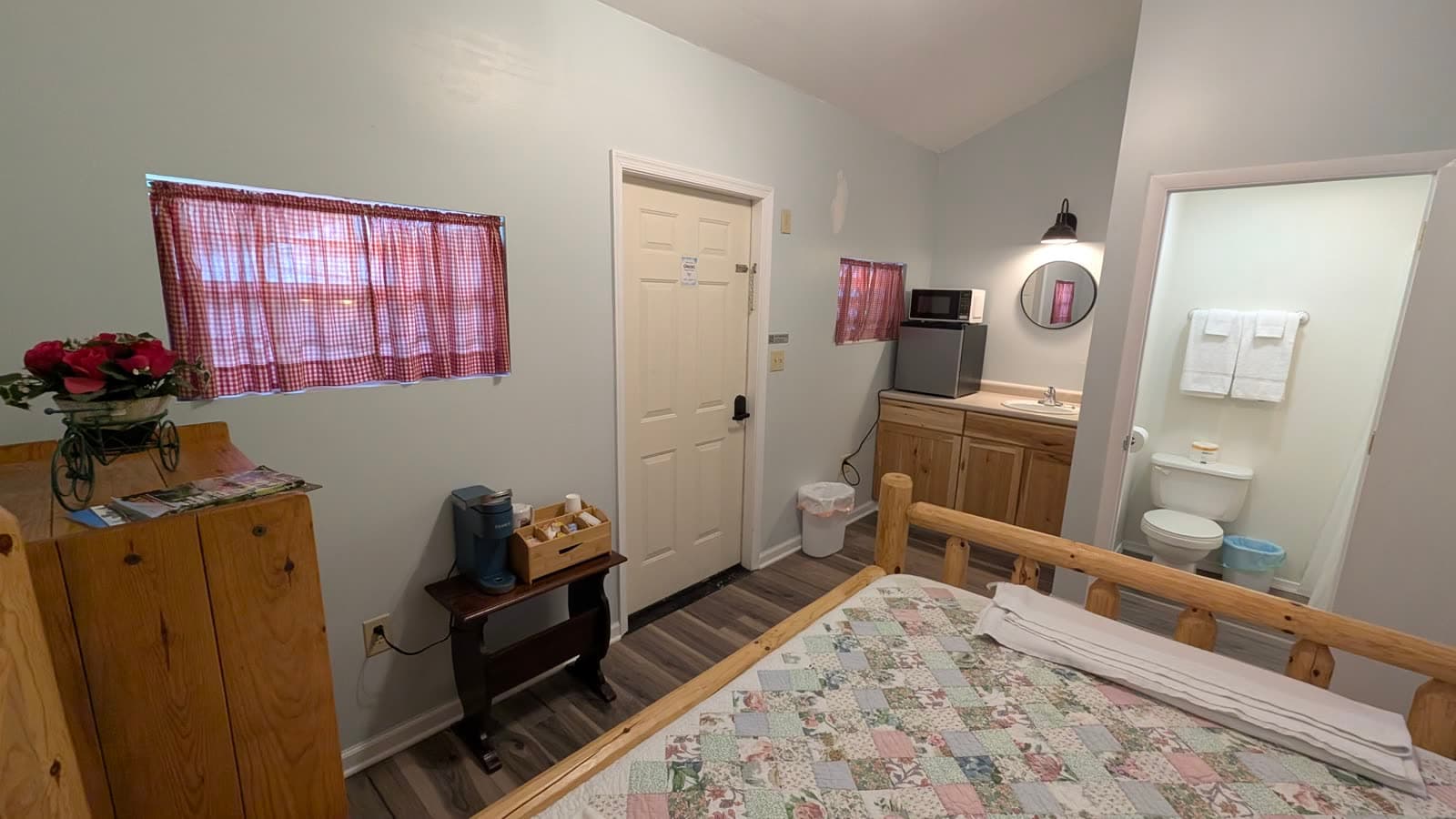
When the rails reached this part of the mountain, travelers needed somewhere to sleep — and in 1888 a hotel rose at 20 Depot St to meet the demand. That building is The Tunnel Hotel. It has carried different names across its life, most recently the Trail Inn at Frostburg, but the job description hasn't changed in well over a century: feed and shelter people moving along this corridor. The clientele has shifted from rail passengers to Great Allegheny Passage cyclists, steam tourists, and railbikers, which feels less like a break with history than a continuation of it. The building's fuller story is at tunnelhotel.com/blog/tunnel-hotel-1888-history.
The Rest of the Block
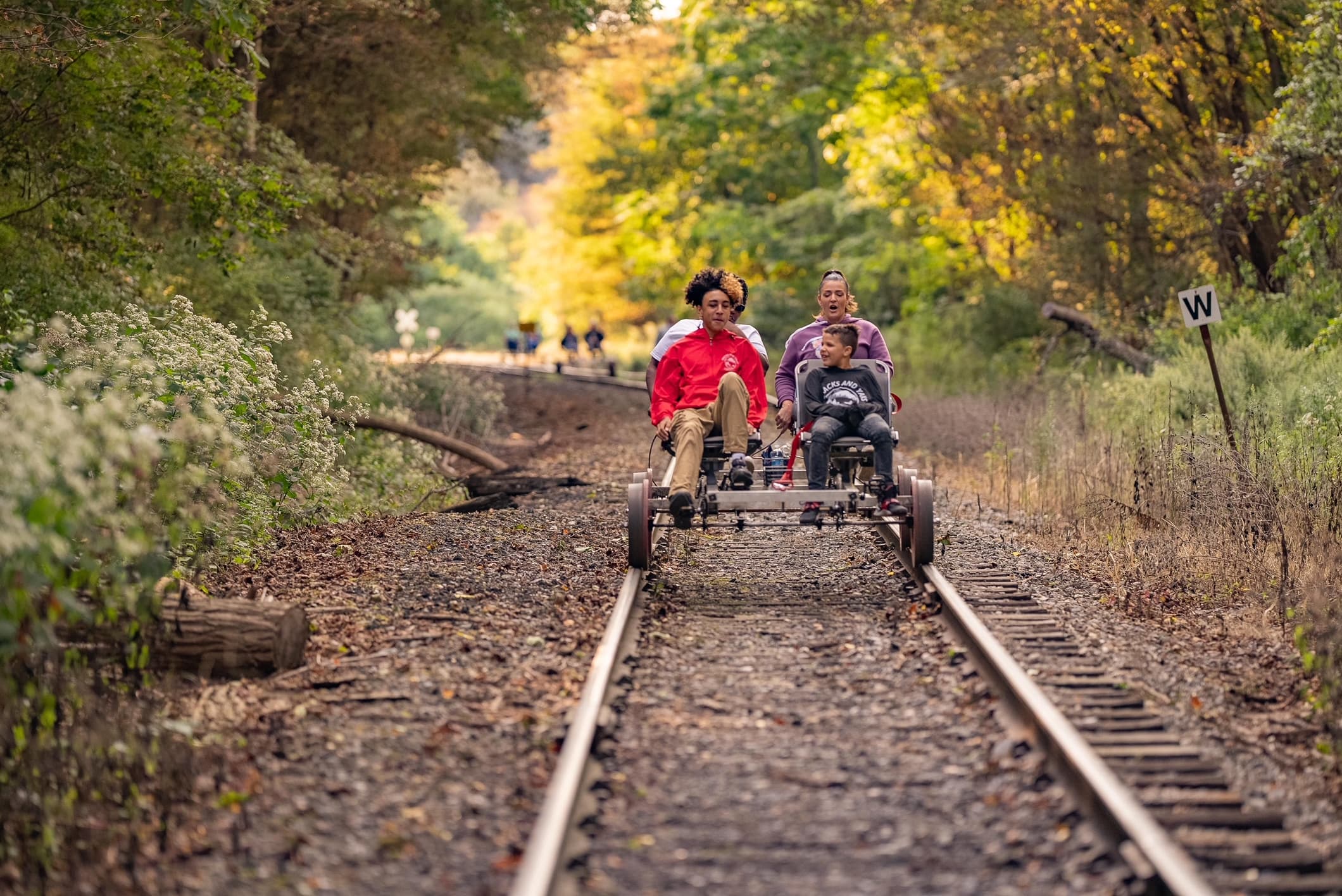
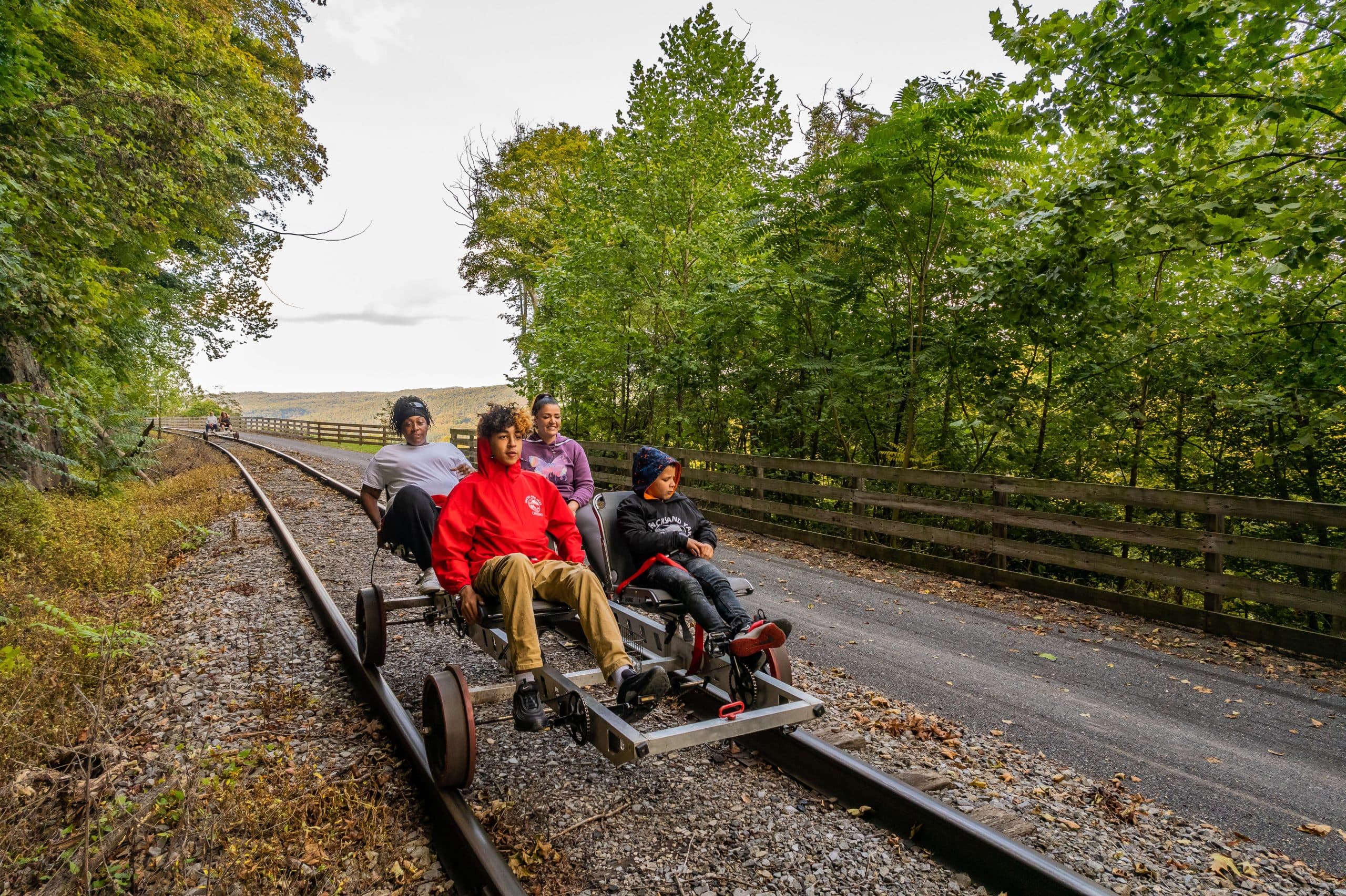
Two more stops complete a walk through the district. The Thrasher Carriage Museum, immediately beside the depot, keeps a collection of horse-drawn vehicles from the era before any of these rails carried an engine — check its current hours before building plans around it. And 300 yards from our porch, the Great Allegheny Passage trailhead marks where the old railroad grade became a 150-mile crushed-limestone path to Pittsburgh. Rail history here isn't behind glass; you can pedal it, at tunnelhotel.com/experiences, on railbikes that run the same corridor.
Visiting the District
Come on a running day if you can — the district is pleasant when quiet but alive between 12:45 and 2:15. Time your walk to catch the turntable, take lunch at the Trail Inn Cafe in the inn, and climb to Main Street afterward. Better still, stay the night in the building the railroad built for exactly that purpose; rooms start at $79.79 including tax, and tunnelhotel.com/book handles it without booking fees.