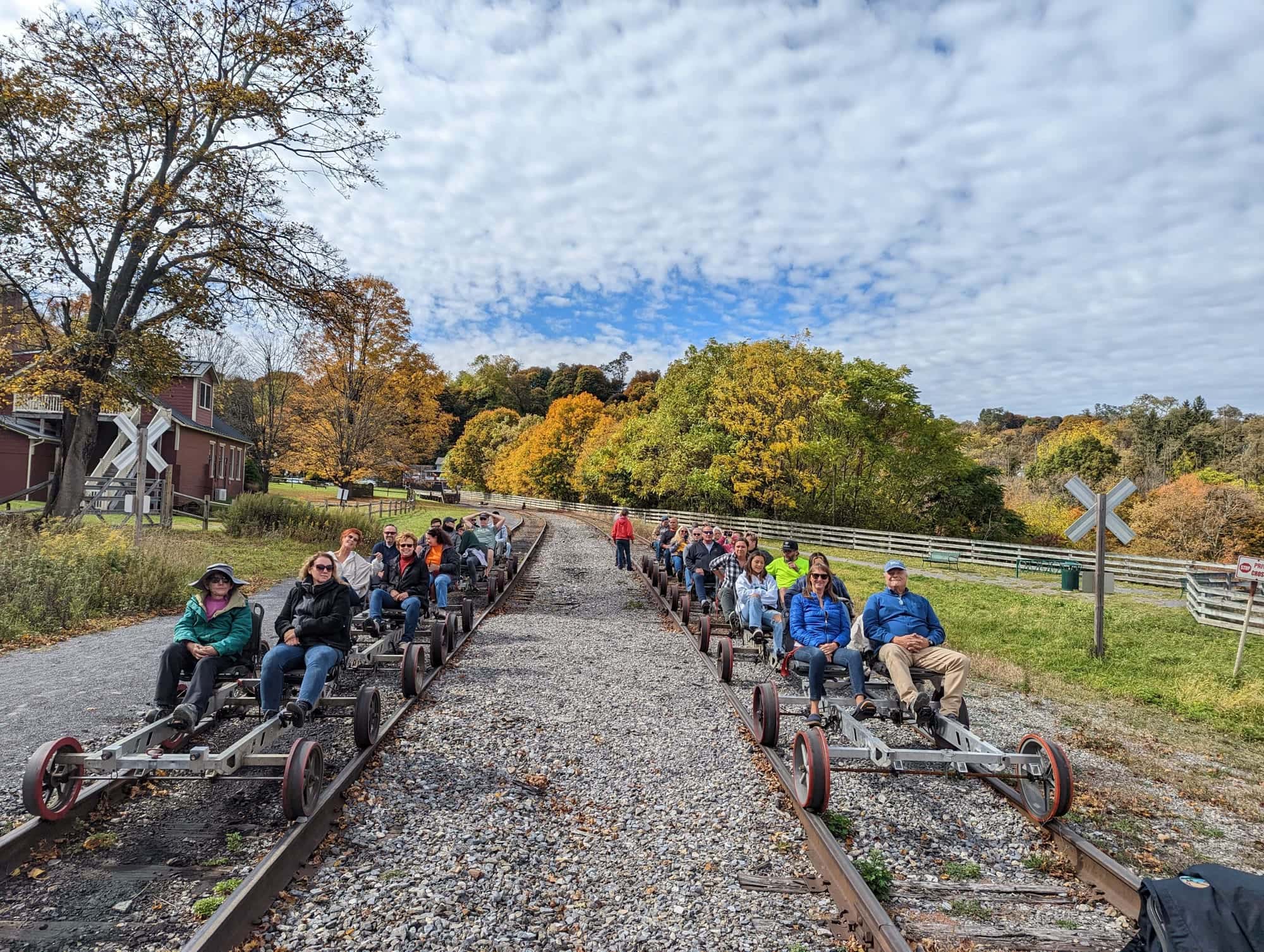
Eyes on the corridor
Wildlife Along the GAP Trail
A rail-trail through the Alleghenies is a 150-mile edge habitat, and edges are where animals live. Ride it at the right hours and the trail starts riding back.
Camping & Outdoors · 5 min read ·
Why a Rail-Trail Is Secretly a Wildlife Corridor
Ecologists have a word for the boundary where forest meets clearing: edge. Edge habitat concentrates food and cover, which concentrates animals — and the Great Allegheny Passage is essentially 150 continuous miles of it, a quiet green seam stitched through the mountains from Pittsburgh to Cumberland. No engines, no exhaust, and long sightlines make it a better wildlife platform than most roads through the same country.
None of this means the woods perform on demand. Wildlife viewing is probability, not appointment, and this post stays honest about that: what follows is what riders commonly report along the corridor, not a guaranteed cast list. Stack the odds with timing and quiet, then let the trail decide.
The Species Riders Report Most
Ask cyclists at the end of a GAP day what they saw, and the same names come up trip after trip. These are the corridor's regulars — common, widespread Appalachian species you have a genuine chance of meeting.
- White-tailed deer, the near-certainty of the list — often browsing the trail margins at first and last light.
- Wild turkeys, usually in wary flocks that melt into the understory as you approach.
- Songbirds in constant rotation through the canopy; spring mornings turn the corridor into a running soundtrack.
- Squirrels, chipmunks, and groundhogs working the trail edges through the warm months.
- Hawks and vultures riding the ridgeline thermals overhead.
- The occasional rabbit or raccoon commuting across the limestone ahead of you.
Dawn and Dusk: The Hours That Deliver
Most mammals along the trail are crepuscular — most active in the low-light margins of the day — which is why the rider who starts at sunrise sees a different trail than the one who starts at ten. The first and last hour of light typically produce more sightings than the entire middle of the day combined, especially for deer and turkeys feeding near the corridor's edges.
This is one of camping's underrated advantages: sleeping 300 yards from the GAP means you can be rolling in that golden first hour without an alarm-clock heroic. Guests at our tunnelhotel.com/gap-trail-camping sites regularly report deer at the wooded margins before breakfast, close enough to count as a proper welcome to the mountain.
How to Actually See More
The difference between riders who see wildlife and riders who don't is rarely luck. It's noise, speed, and attention — three things entirely under your control.
- Ride quiet: conversation and speaker music announce you a quarter mile ahead.
- Slow down through the transitions — field edges, stream crossings, cuts — where habitats meet.
- Scan the trail margins ahead, not your front tire; most sightings happen at distance.
- Stop pedaling when you spot something; coasting is quieter than any drivetrain.
- Carry small binoculars if birds interest you — the canopy holds more than the trail shows.
Watching Responsibly (and Camping Responsibly)
The rules are short and non-negotiable. Give every animal room and never feed anything, however photogenic the beggar — fed wildlife becomes problem wildlife, and problem wildlife loses. Around deer especially, remember they're fast, unpredictable, and occasionally on the trail itself; slow down rather than swerve.
Campers carry one extra duty: food discipline. At a primitive campground in the mountains, seal your food and pack out every scrap of trash — clean sites keep the wildlife wild and the campground welcome. If you're unsure how to plan food storage for a tent night at our sites, call 240-730-4064 before you arrive and we'll talk it through.
Put Yourself Where the Animals Are
The formula is simple to state and pleasant to execute: sleep beside the trail, wake with the light, ride quietly, and keep your eyes ahead. Tent sites at the hotel run $17.10 per person nightly with tax included, rooms from $79.79 all-in for the soft-bed contingent, and either way you're positioned for the dawn shift when the corridor comes alive. Set it up at tunnelhotel.com/book.
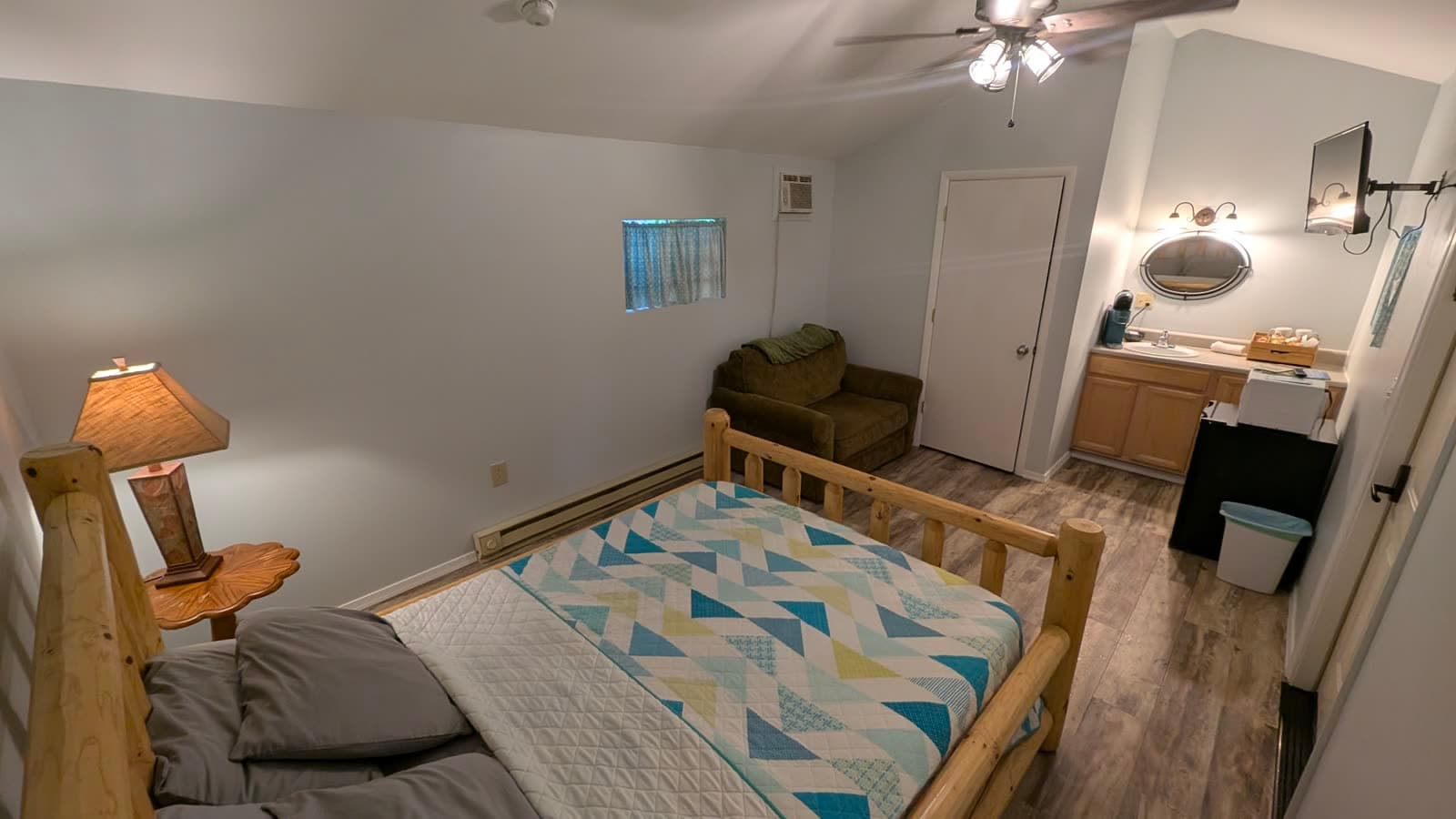
Beds 300 yards off the trail
All rooms & camping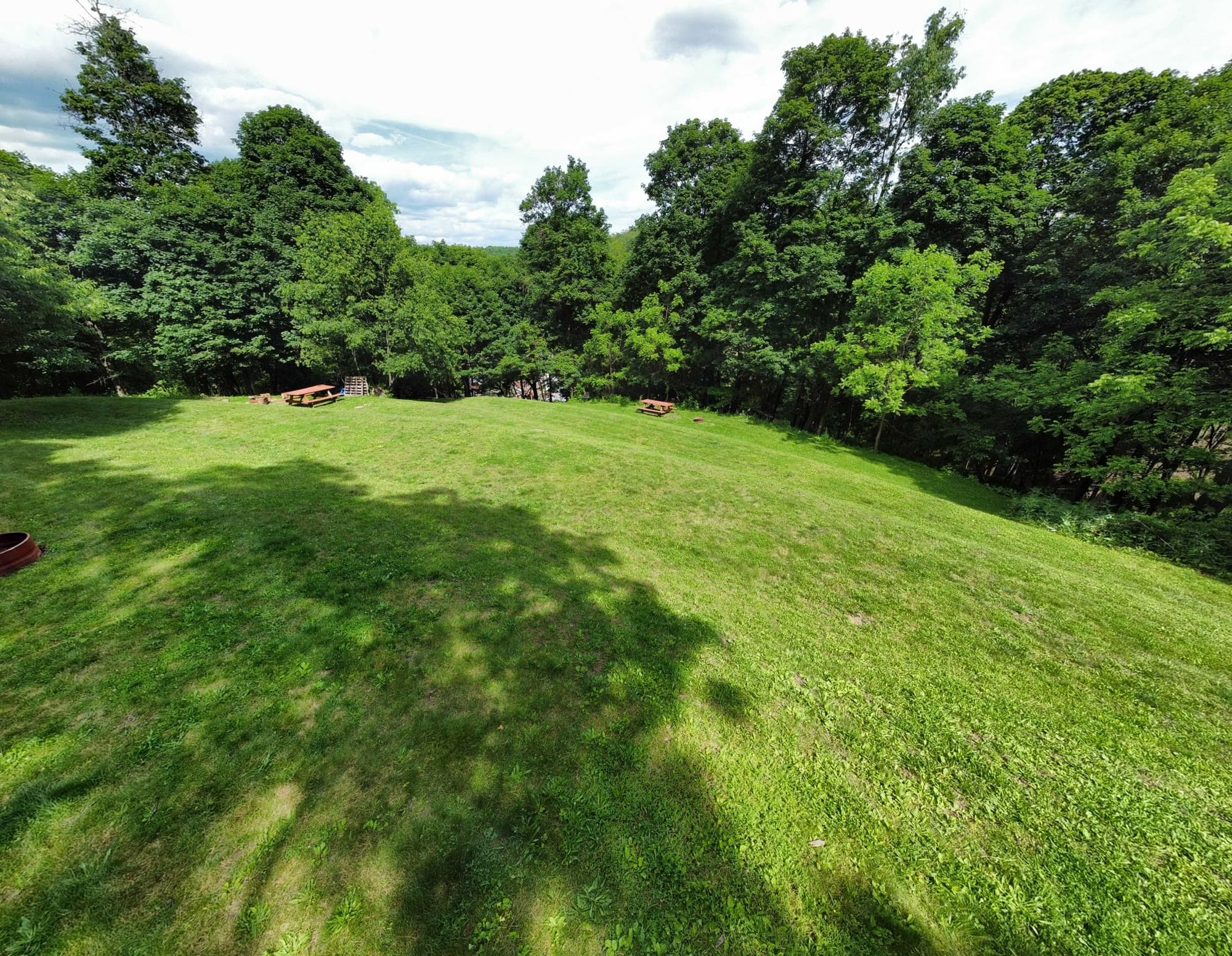
Tracks & Yaks, right next door
All experiences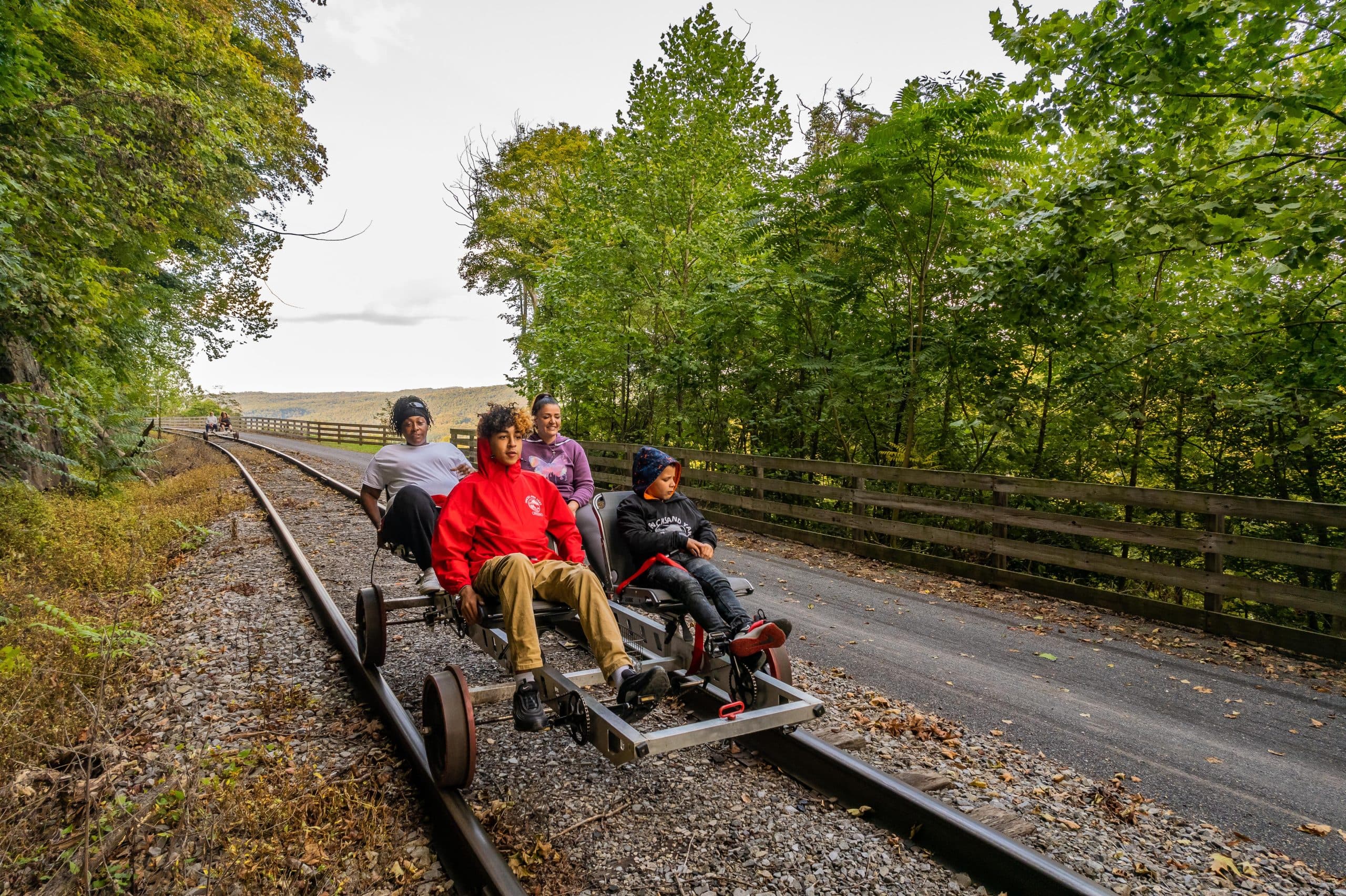
Woodcock Hollow Express
A 7-mile guided railbike run along the ridge line — the quick, scenic introduction to pedaling the rails.
from $89
Details →Geared Bicycle Rental — 2 Hour
A geared bicycle for two hours on the Great Allegheny Passage — go at your own pace.
from $25
Details →Questions, answered straight
What wildlife will I see on the GAP trail?
Riders most commonly report white-tailed deer, wild turkeys, songbirds, squirrels, chipmunks, groundhogs, and soaring hawks or vultures along the Great Allegheny Passage. Sightings are never guaranteed, but the trail's quiet, car-free corridor through Appalachian forest gives cyclists better odds than nearby roads, especially at dawn and dusk.
What time of day is best for seeing wildlife on a rail-trail?
The first and last hour of daylight. Deer and many other mammals are crepuscular — most active in low light — so early-morning and evening riders typically see far more than midday riders. Staying overnight near the trail helps; The Tunnel Hotel's campground in Frostburg, MD sits 300 yards from the GAP, putting campers on the trail at first light easily.
Are deer dangerous to cyclists on the GAP?
Deer are the animal cyclists encounter most on the Great Allegheny Passage, and the main risk is a sudden crossing. Ride at a controlled speed in low light, slow down rather than swerve when deer appear, and expect a second animal to follow the first. Never feed or approach wildlife anywhere along the trail.
Do campers near the GAP need to store food carefully?
Yes. At any primitive campground in the Alleghenies, campers should seal food, avoid leaving scraps out overnight, and pack out all trash so wildlife never learns to associate tents with meals. At The Tunnel Hotel's campground — $17.10 per person per night, tax included — the on-site cafe reduces how much food you need to store at all; call 240-730-4064 with questions.