The Whole Year in Tiers
If we had to pick one window, it's mid-September through mid-October: the weather typically settles, the steam trains and railbikes are still running, and the leaves close the argument. Summer takes second place on the strength of cool mountain evenings and a completely full activity calendar. Spring is the value play. Winter is for people who want quiet and know exactly what they're signing up for. Every season charges admission somewhere — here's where:
- Tier 1 — mid-September to mid-October: everything operating, color typically peaking around mid-October at elevation. Trade-off: the most competitive beds of the year.
- Tier 2 — June through August: full schedules, camping, kayaks, evenings typically cooler than the lowlands. Trade-off: peak family traffic and warm midday rides.
- Tier 3 — May and late October: the season's edges — fresh green or the last color, thin crowds. Trade-off: operations just starting up or winding down.
- Tier 4 — April and November: open trail, empty region, effortless bookings. Trade-off: no railbikes or trains, uncertain tunnel dates, moody weather.
- Tier 5 — December through March: total quiet at the year's lowest demand. Trade-off: winter closures across the board; you come for the inn, the cafe, and the town.
Fall: The Winner, and Its One Catch
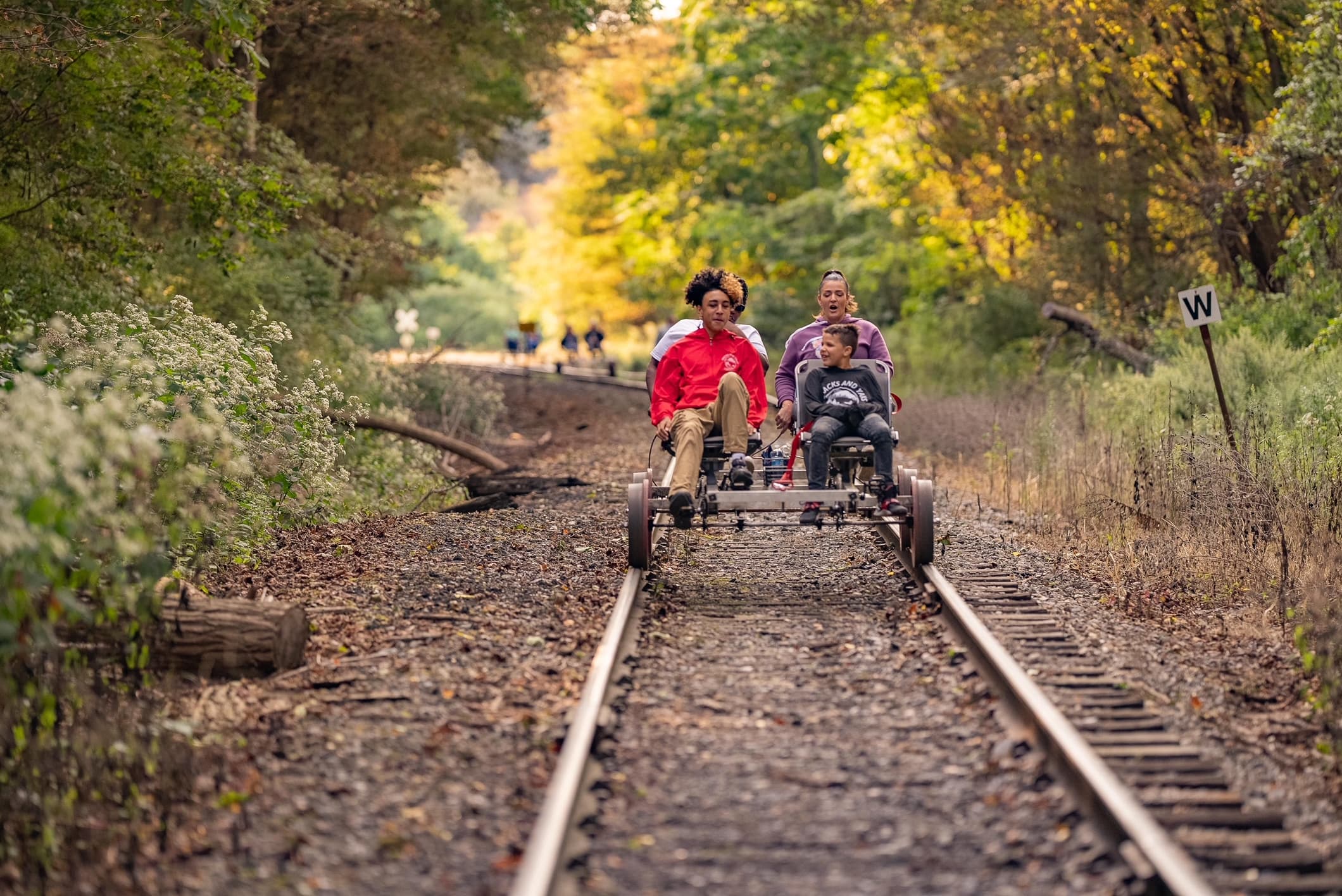
Autumn wins on merit. The hardwood forest around the Eastern Continental Divide typically hits peak near mid-October, the Flyer is still steaming on weekends, and the railbike routes run straight through the show. The catch is arithmetic: a short peak window multiplied by everyone wanting the same two weekends. Rooms, campsites, and October railbike departures all sell ahead of the forecast, so the fall play is simple — commit early. Canceling 72 hours out refunds in full, which makes an early reservation nearly riskless.
Summer: Everything Switched On
June through August is the only stretch when the entire toolkit works simultaneously: Thursday-to-Sunday trains, the complete railbike menu, the kayak-and-railbike combo, and tent weather at the campground ($17.10 a person, tax in). Elevation keeps evenings typically gentler than the sweltering lowlands. The cost is company — weekends bring families in volume — but weekday visits stay surprisingly calm even in July.
Spring: The Value Window
April and May reward planners who move early. Big Savage Tunnel typically reopens at the start of April, rides resume around May, and the mountain turns green from the valleys upward while hardly anyone watches. Availability is the draw: nearly every room on tunnelhotel.com/stay sits open most spring weekends, and seasonal runoff gives the corridor a soundtrack summer never hears. Pack for cool, damp, changeable days.
Winter: Know What You're Buying
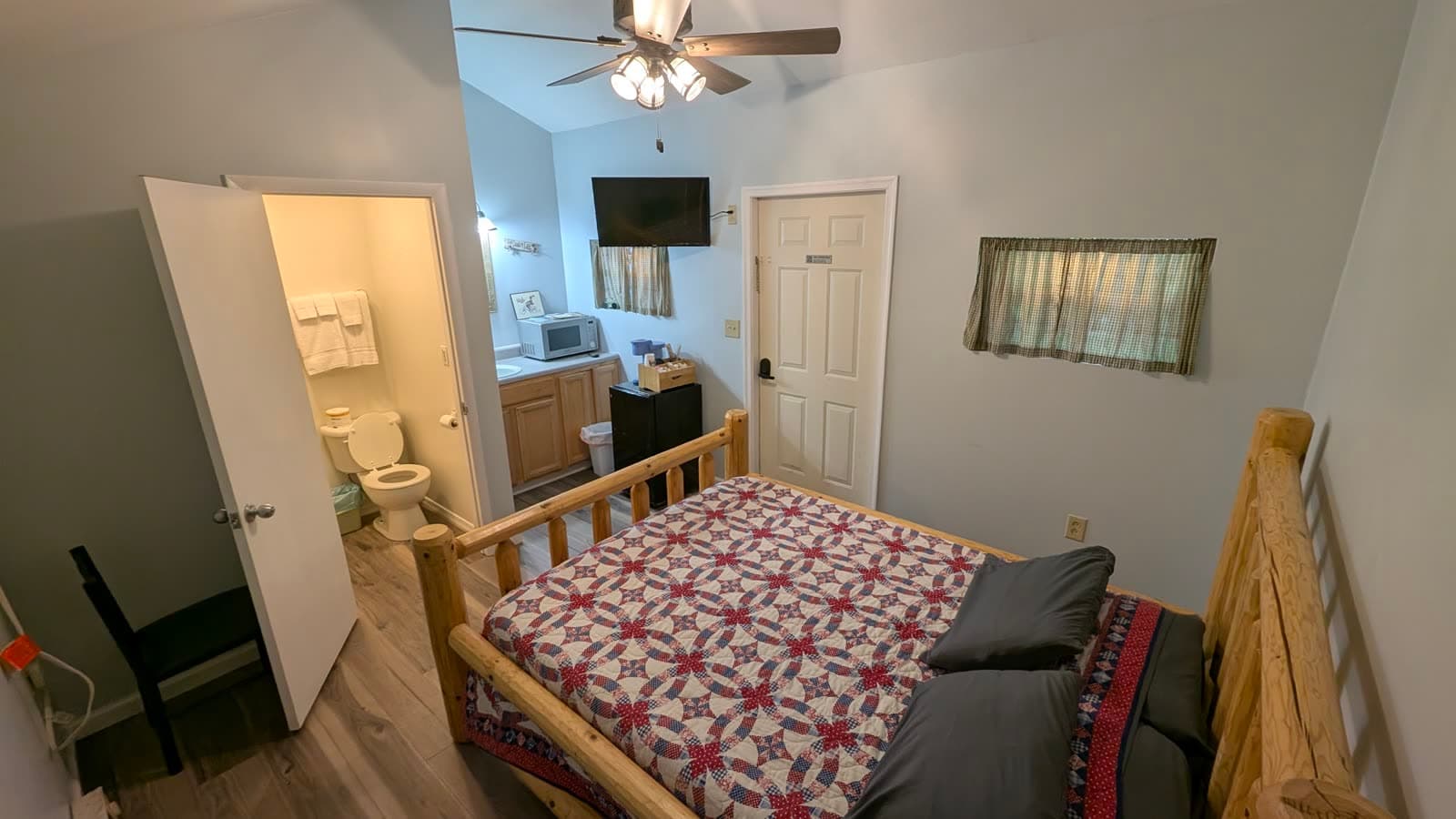
December through March strips the calendar bare — no railbikes, no trains, and the summit tunnel gated until spring. What's left is a warm 1888 railroad inn, wood-fired pizza downstairs, walkable Main Street pubs up the hill, and the lowest-effort bookings of the year. Come deliberately, for the hush, and winter delivers; come expecting activities and it won't.
How to Actually Decide
Match the month to the mission. Chasing color? Aim at the second week of October and book the moment your dates firm up. Bringing kids or a crew? June through August, weekdays if you can swing it. Hunting solitude on an open trail? Late April or early November. Just want a cheap, quiet reset in an old railroad hotel? January exists for exactly that.
For the granular version — every month graded — read tunnelhotel.com/blog/gap-trail-month-by-month. Then check live availability for your window at tunnelhotel.com/book; queens start at $79.79 with tax built into the advertised rate, whatever season you pick.